
Digestive Health
Stress Driven Acid Reflux Treatment | Dr. Ali Taj Karachi
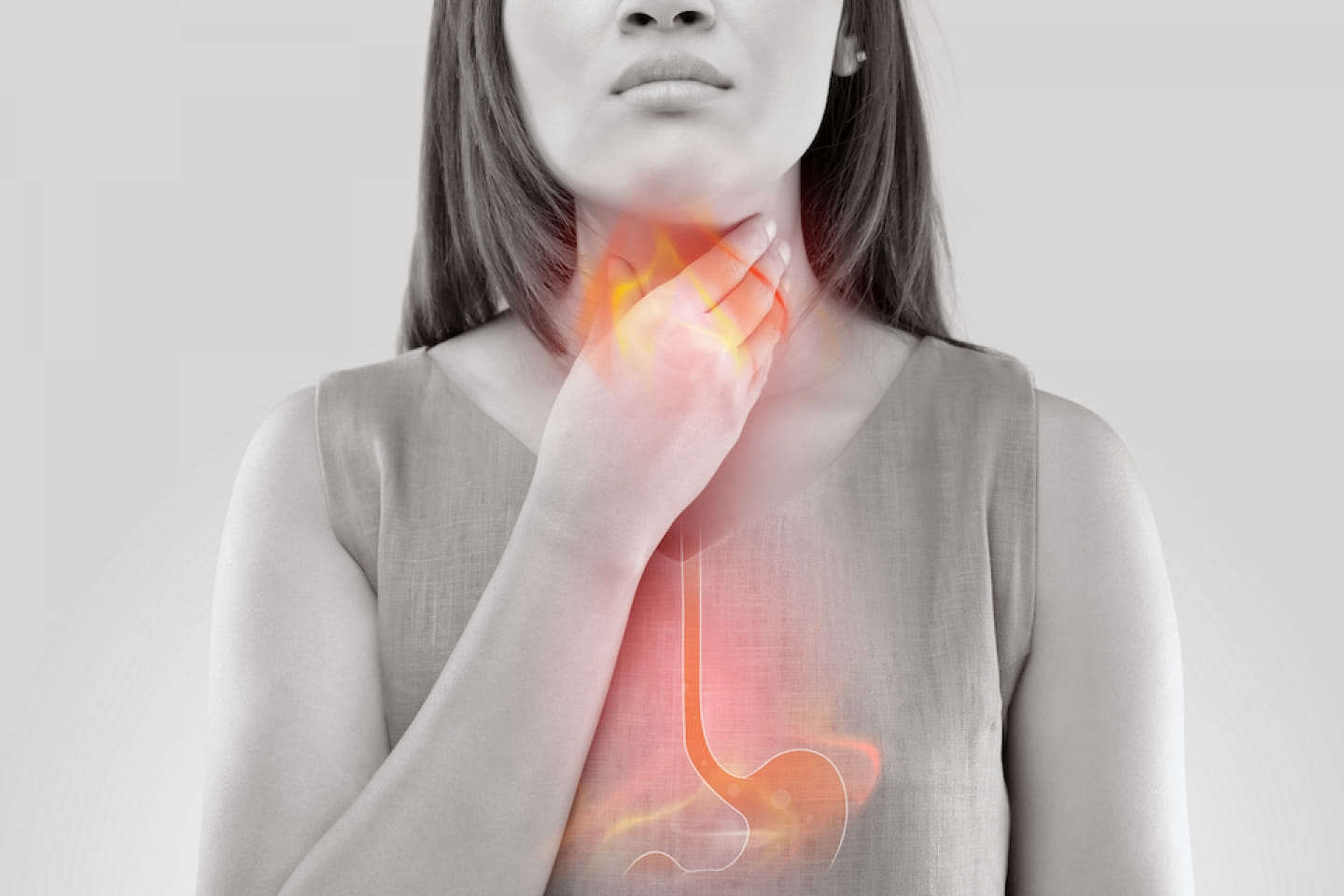
You’ve tried changing your diet. You’ve avoided spicy food. But the reflux keeps coming back — especially during stressful periods. If your acid reflux worsens with anxiety, comes with a tight chest and shallow breathing, and your appetite swings unpredictably, stress driven reflux is likely the pattern behind your symptoms. Dr. Muhammad Ali Taj, a leading gastroenterologist with over 27 years of experience in Karachi, has extensive experience diagnosing and treating this mind-gut connection.
What Is Stress Driven Reflux?
The gut and the brain are connected through the vagus nerve and a complex signaling network known as the gut-brain axis. When you’re under chronic stress or experiencing anxiety, this axis goes into overdrive — increasing acid production, disrupting stomach motility, and weakening the lower esophageal sphincter. The result is acid reflux that no amount of dietary change alone can fix.
Dr. Ali Taj explains that this pattern is extremely common in Karachi’s fast-paced urban environment, yet frequently dismissed as “just stress” without proper gastroenterological evaluation.
How to Recognize Stress Driven Reflux
This pattern stands out because the symptoms are closely tied to emotional and psychological states:
Key Symptoms:
- Reflux during anxiety — symptoms appear or worsen during stressful situations, not just after eating
- Shallow breathing — chest breathing rather than deep abdominal breathing, often unconscious
- Tight chest — a squeezing or pressure sensation that can mimic cardiac symptoms
- Irregular appetite — loss of appetite during stress, followed by overeating when stress subsides
- Lump in throat sensation (globus) — feeling of something stuck in the throat without physical obstruction
- Disrupted sleep — reflux worsening at night due to elevated cortisol levels
Who Is Most at Risk?
- Professionals in high-pressure careers
- Students facing academic stress
- Caregivers and parents managing multiple responsibilities
- Individuals dealing with financial pressures
- Those with existing anxiety or panic disorders
What Causes Stress Driven Reflux?
The mechanism is physiological, not imagined:
- Elevated cortisol — chronic stress raises cortisol levels, which increases stomach acid production
- Vagus nerve dysfunction — stress disrupts the nerve that regulates digestion, slowing stomach emptying
- Muscle tension — anxiety creates tension in the diaphragm and esophageal sphincter
- Altered gut motility — stress causes the stomach to either empty too fast or too slow
- Hypervigilance to sensations — anxiety makes patients more aware of normal digestive sensations, amplifying perceived discomfort
Stress Factors Common in Karachi:
- Traffic congestion and long commutes adding daily stress
- Work-life balance challenges in a demanding professional culture
- Financial pressures in a high-cost urban environment
- Social and family obligations creating chronic low-grade stress
- Irregular sleep patterns — late nights and early mornings are common
- Screen overuse and constant connectivity disrupting relaxation
How Dr. Ali Taj Diagnoses Stress Driven Reflux
The key is differentiating stress driven reflux from structural causes while taking the patient’s full picture into account:
Diagnostic Procedures:
- Upper GI Endoscopy — to rule out structural causes like ulcers, hernias, or esophageal damage
- 24-hour pH monitoring — correlating acid episodes with stress events and daily activity
- Detailed lifestyle and stress assessment — mapping symptom patterns against work schedules, sleep, and emotional states
- H. pylori testing — ruling out bacterial infection as a contributing factor
- Cardiac evaluation referral — when chest symptoms need to be differentiated from heart conditions
Treatment Options Available in Karachi
Dr. Ali Taj takes a holistic approach, recognizing that effective treatment must address both the gut and the nervous system.
Medical Treatment:
- Targeted acid management during acute flare-ups
- Treatment of any co-existing digestive conditions identified during evaluation
- Coordination with mental health professionals when needed
- Individualized treatment plans that account for the patient’s lifestyle
Stress Management Techniques:
- Diaphragmatic breathing — 5 minutes of deep belly breathing before meals significantly improves digestion
- Progressive muscle relaxation — reduces tension in the chest and diaphragm
- Mindful eating — eating slowly, without screens, focusing on the meal
- Regular prayer and meditation — structured daily spiritual practice provides natural stress regulation
- Sleep hygiene — consistent sleep and wake times, limiting screens 1 hour before bed
Dietary Modifications:
- Eat regular, consistent meals — do not skip meals during stressful periods
- Avoid caffeine after 2 PM — tea and coffee stimulate both acid and anxiety
- Choose calming foods — bananas, oats, yogurt, chamomile, and warm soups
- Avoid stress-eating triggers — keep processed snacks and junk food out of reach
- Eat your last meal at least 3 hours before bedtime
Home Remedies for Support:
- Chamomile tea — a natural relaxant that soothes both the nervous system and the stomach lining
- Fennel seeds (saunf) — chew after meals to calm digestive spasms
- Warm milk with honey — a traditional bedtime remedy that supports relaxation and gentle acid buffering
- Ashwagandha — an adaptogenic herb traditionally used to reduce cortisol (consult Dr. Taj before use)
- Licorice root tea (mulethi) — soothes the stomach lining and reduces acid irritation
Lifestyle Changes:
- Build physical activity into your routine — even 20 minutes of walking daily reduces cortisol
- Set boundaries with work — constant availability fuels chronic stress
- Limit news and social media consumption, especially before meals and at bedtime
- Maintain social connections — isolation increases stress hormones
- Seek professional support for anxiety or panic symptoms — there is no shame in it
Prevention Tips for Karachi Patients
- Create a consistent daily routine — your gut thrives on predictability
- Take genuine breaks during the workday — even 5 minutes of breathing between tasks
- Don’t rely on tea as a stress management tool — it often worsens the cycle
- Plan meals in advance to avoid stress-driven fast food choices
- Recognize your early stress signals (jaw clenching, shallow breathing, stomach tension) and intervene early
When to See Dr. Ali Taj — Warning Signs
Consult Dr. Ali Taj immediately if you experience:
- Chest tightness or pain — to rule out cardiac involvement
- Reflux that doesn’t respond to dietary changes and consistently worsens with stress
- Significant unexplained weight changes
- Difficulty swallowing or persistent lump-in-throat sensation
- Disrupted sleep from nighttime reflux more than 3 times per week
- Blood in stool or vomit
- Anxiety or panic attacks alongside digestive symptoms
Success Stories from Dr. Ali Taj’s Practice
With over 13,500 successful procedures, Dr. Ali Taj has helped countless patients in Karachi understand that their reflux wasn’t just about food — it was about their lifestyle. Patients from DHA, Clifton, Gulshan, and PECHS have found lasting relief once the stress-gut connection was properly addressed.
Hospital Affiliations:
- Ziauddin Hospital (Clifton)
- Hill Park General Hospital
- Life Care Consultant Clinics
Book Your Consultation Today
If your reflux worsens with stress, your chest feels tight, and your appetite is all over the place, this is not “just anxiety.” Dr. Ali Taj can evaluate whether stress driven reflux is behind your symptoms and build a treatment plan that works.
Contact Dr. Ali Taj:
- WhatsApp: 0312 3803935
- Specialties: Gastroenterology, Hepatology, Endoscopy, ERCP, EUS
- Experience: 27+ years treating digestive disorders
Frequently Asked Questions
Q: Can stress really cause acid reflux? A: Absolutely. The gut-brain axis is a well-established medical concept. Chronic stress directly increases acid production, disrupts stomach motility, and weakens the esophageal sphincter.
Q: Is stress driven reflux different from regular reflux? A: Yes. The symptoms overlap, but stress driven reflux is closely tied to emotional states and doesn’t fully respond to diet-only interventions. Treatment must address the nervous system component.
Q: Do I need to see a psychiatrist as well? A: Not necessarily. Many patients improve significantly with lifestyle changes and stress management. However, Dr. Taj may recommend psychological support for patients with significant anxiety or panic symptoms.
Q: How long does it take to improve? A: Patients who commit to both medical treatment and stress management techniques often see meaningful improvement within 3–4 weeks. Long-term habits prevent recurrence.
Q: Can children and teenagers have stress driven reflux? A: Yes. Academic pressure and screen overuse are increasingly causing stress-related digestive issues in younger patients. Dr. Taj evaluates and treats patients across all age groups.
Medical Disclaimer: This information is for educational purposes only. Always consult with a qualified healthcare provider for proper diagnosis and treatment of digestive issues.