
Digestive Health
Low Stomach Acid Reflux Treatment | Dr. Ali Taj Karachi
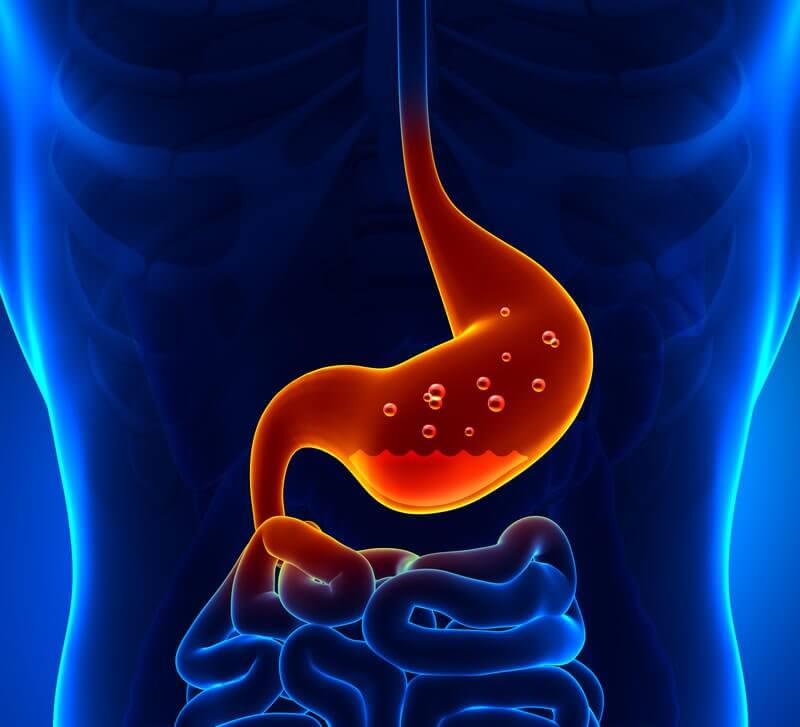
Most people assume acid reflux means too much stomach acid. But for a significant number of patients, the opposite is true — low stomach acid is the hidden cause behind their reflux, bloating, and fatigue. Dr. Muhammad Ali Taj, a leading gastroenterologist with over 27 years of experience, has helped thousands of patients in Karachi identify and treat this commonly misdiagnosed condition.
What Is Low Stomach Acid Reflux?
Low stomach acid, medically known as hypochlorhydria, occurs when the stomach fails to produce enough hydrochloric acid to properly break down food. This leads to incomplete digestion, fermentation of food in the stomach, and upward pressure that pushes acid into the esophagus — causing reflux symptoms that mimic classic acid overproduction.
Dr. Ali Taj explains that this pattern is one of the most frequently overlooked causes of chronic digestive discomfort, particularly in patients who don’t respond to standard reflux treatments.
How to Recognize Low Stomach Acid Reflux
This pattern has a distinct set of symptoms that sets it apart from other types of reflux:
Key Symptoms:
- Bloating after meals — a heavy, distended feeling within 30 minutes of eating
- Reflux after large meals — especially when the stomach struggles to empty
- Constipation — due to poorly digested food moving slowly through the gut
- Fatigue after eating — the body diverts excessive energy to struggling digestion
- Undigested food in stool — a telltale sign of insufficient acid
- Brittle nails and hair thinning — linked to poor nutrient absorption
Who Is Most at Risk?
- Adults over 50 (acid production naturally declines with age)
- Patients who have been on long-term acid-suppressing treatments
- Individuals with chronic stress or irregular eating patterns
- Those with autoimmune conditions
What Causes Low Stomach Acid?
Understanding the root cause is essential for effective treatment. Common causes include:
- Chronic stress — suppresses digestive function and acid secretion
- Aging — stomach acid production decreases naturally over time
- Nutrient deficiencies — particularly zinc and B vitamins, which are essential for acid production
- H. pylori infection — this bacterium can reduce acid output in certain cases
- Autoimmune gastritis — the immune system attacks acid-producing cells
Factors Common in Pakistani Patients:
- Heavy reliance on processed and refined carbohydrates
- Irregular meal timing, especially skipping breakfast
- High stress levels from demanding urban lifestyles in Karachi
- Excessive tea consumption on an empty stomach
How Dr. Ali Taj Diagnoses Low Stomach Acid
Accurate diagnosis is critical because low stomach acid mimics high acid conditions. Dr. Ali Taj uses a structured diagnostic approach:
Diagnostic Procedures:
- Upper GI Endoscopy — visual inspection of the stomach lining for signs of atrophic gastritis
- H. pylori testing — to rule out or confirm bacterial involvement
- Blood panel — checking gastrin levels, B12, iron, and zinc status
- Clinical symptom evaluation — detailed history focusing on meal-related symptom patterns
Treatment Options Available in Karachi
Dr. Ali Taj takes a comprehensive approach that combines medical intervention with dietary and lifestyle changes.
Medical Treatment:
- Targeted treatment based on diagnostic findings
- Addressing underlying infections such as H. pylori
- Nutritional supplementation for identified deficiencies
- Adjusting or tapering inappropriate acid-suppressing treatments
Dietary Modifications:
- Eat smaller, more frequent meals to reduce stomach burden
- Chew food thoroughly — digestion begins in the mouth
- Avoid drinking large amounts of water during meals
- Include bitter foods (bitter gourd, leafy greens) that naturally stimulate acid
- Add fermented foods like yogurt and pickled vegetables
Home Remedies for Support:
- Apple cider vinegar — 1 tablespoon diluted in water before meals to support acid levels
- Ginger tea — stimulates digestive juices when consumed 15 minutes before eating
- Lemon water — warm water with half a lemon on an empty stomach
- Cumin and fennel tea — a traditional digestive aid that encourages healthy acid production
Lifestyle Changes:
- Manage stress through regular walks, deep breathing, or prayer routines
- Maintain consistent meal times — avoid long gaps between meals
- Avoid lying down for at least 2 hours after eating
- Prioritize sleep, as digestive repair occurs at night
Prevention Tips for Karachi Patients
- Don’t skip meals, especially breakfast
- Limit tea to 2–3 cups per day, ideally after meals rather than on an empty stomach
- Include zinc-rich foods such as lentils, chickpeas, and pumpkin seeds
- Stay hydrated between meals, not during them
- Manage stress proactively — urban Karachi lifestyles demand intentional recovery time
When to See Dr. Ali Taj — Warning Signs
Consult Dr. Ali Taj immediately if you experience:
- Persistent bloating and reflux that doesn’t improve with standard treatments
- Unexplained fatigue and weight loss
- Chronic constipation alongside reflux symptoms
- Signs of nutrient deficiency (hair loss, brittle nails, mouth ulcers)
- Blood in stool or vomit
- Difficulty swallowing
Success Stories from Dr. Ali Taj’s Practice
With over 13,500 successful procedures, Dr. Ali Taj has helped countless patients across Karachi — from DHA to Gulshan, Clifton to PECHS — finally get the right diagnosis after years of ineffective treatment for assumed high acid conditions.
Hospital Affiliations:
- Ziauddin Hospital (Clifton)
- Hill Park General Hospital
- Life Care Consultant Clinics
Book Your Consultation Today
If bloating after meals, fatigue, and persistent reflux sound familiar, low stomach acid may be the missing piece. Dr. Ali Taj’s expertise ensures accurate diagnosis and a treatment plan tailored to your needs.
Contact Dr. Ali Taj:
- WhatsApp: 0312 3803935
- Specialties: Gastroenterology, Hepatology, Endoscopy, ERCP, EUS
- Experience: 27+ years treating digestive disorders
Frequently Asked Questions
Q: Can low stomach acid cause the same symptoms as high stomach acid? A: Yes. This is why it’s so commonly misdiagnosed. Bloating, reflux, and heartburn can occur with both low and high acid levels. Proper testing is essential.
Q: How long does treatment take? A: Many patients notice improvement within 2–4 weeks of starting the correct treatment plan. Chronic cases may require longer management.
Q: Is low stomach acid dangerous? A: If left untreated, it can lead to nutrient deficiencies, increased infection risk, and chronic digestive dysfunction. Early diagnosis leads to excellent outcomes.
Q: Can diet alone fix low stomach acid? A: Dietary changes help significantly, but most patients benefit from a combined approach of medical evaluation, targeted treatment, and lifestyle modification.
Medical Disclaimer: This information is for educational purposes only. Always consult with a qualified healthcare provider for proper diagnosis and treatment of digestive issues.