
Digestive Health
Microbial Reflux Treatment in Karachi | Dr. Ali Taj
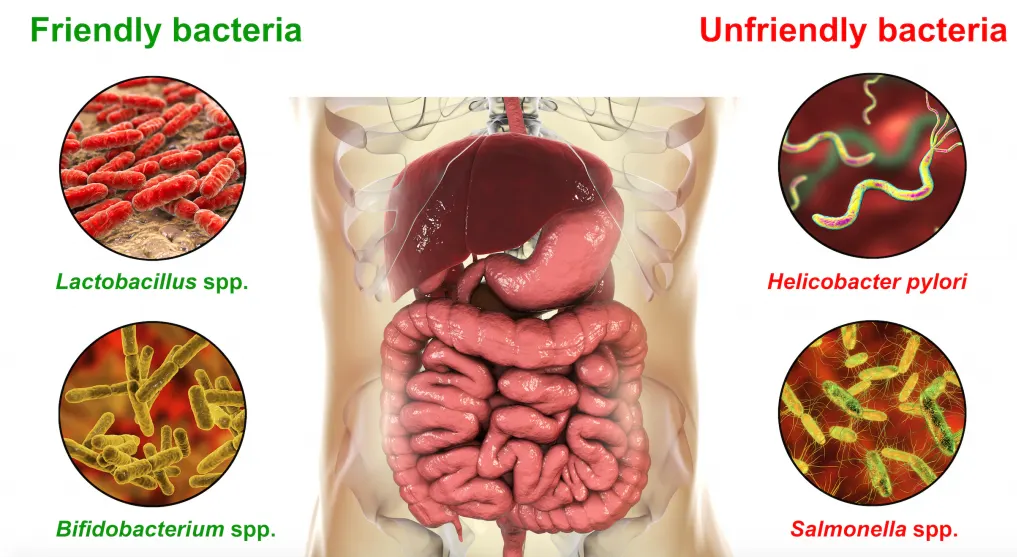
If your acid reflux comes with persistent bloating and gas, irregular stools, food intolerances that seem to multiply, and fermentation-like symptoms after carbohydrates, your gut bacteria may be driving the problem. Dr. Muhammad Ali Taj, a leading gastroenterologist with over 27 years of experience in Karachi, specializes in identifying and treating this microbial pattern of reflux that is often missed by standard evaluations.
What Is Microbial Reflux?
Microbial reflux occurs when an imbalance in gut bacteria — a condition called dysbiosis — leads to excessive gas production and fermentation in the stomach and small intestine. This gas creates upward pressure that forces stomach acid into the esophagus, causing reflux. Unlike other reflux patterns, the root cause here lives in the microbial ecosystem of your gut.
Dr. Ali Taj explains that conditions like small intestinal bacterial overgrowth (SIBO) and fungal overgrowth are increasingly recognized as significant contributors to chronic reflux, especially in patients who haven’t responded to conventional treatments.
How to Recognize Microbial Reflux
This pattern presents with a distinctive cluster of gut-focused symptoms:
Key Symptoms:
- Bloating and gas — excessive, often worsening throughout the day
- Irregular stools — alternating between diarrhea and constipation, or consistently loose
- Food intolerances — reactions to foods that were previously well-tolerated
- Fermentation after carbohydrates — bloating and gas specifically after bread, rice, pasta, and sugary foods
- Foul-smelling gas or belching — a sign of abnormal bacterial fermentation
- Abdominal discomfort — cramping, gurgling, and visible distension
Who Is Most at Risk?
- Patients with a history of frequent antibiotic use
- Individuals who have had food poisoning or gastroenteritis
- Those with chronic conditions affecting gut motility
- People with diets very high in refined carbohydrates and sugar
- Patients with weakened immune function
What Causes Microbial Reflux?
The gut microbiome is a complex ecosystem. When it falls out of balance, digestion breaks down:
- Small intestinal bacterial overgrowth (SIBO) — bacteria that should reside in the colon colonize the small intestine, fermenting food prematurely
- Fungal overgrowth — candida and other yeasts proliferate, particularly after antibiotic use
- Post-infectious dysbiosis — food poisoning or traveler’s diarrhea can permanently alter gut flora
- Low stomach acid — insufficient acid allows bacteria to survive the stomach and colonize the small intestine
- Impaired gut motility — the migrating motor complex (the gut’s “cleaning wave”) doesn’t function properly, allowing bacterial buildup
Contributing Factors in Pakistani Patients:
- Frequent use of antibiotics — self-medication with antibiotics is widespread in Pakistan
- Water quality concerns — contaminated water introduces pathogenic organisms
- High refined carbohydrate intake — white rice, naan, and roti fed daily to fermenting bacteria
- Street food consumption — exposure to diverse organisms that can disrupt gut flora
- Monsoon-related gastrointestinal infections — seasonal dysbiosis is common in Karachi
How Dr. Ali Taj Diagnoses Microbial Reflux
Accurate diagnosis requires going beyond standard reflux testing to evaluate the gut’s microbial environment:
Diagnostic Procedures:
- Upper GI Endoscopy — to assess the stomach, duodenum, and rule out structural causes
- Breath testing — hydrogen and methane breath tests to identify SIBO
- Stool analysis — evaluating gut flora composition, parasites, and inflammatory markers
- H. pylori testing — this bacterium commonly coexists with other microbial imbalances
- Small bowel assessment — when bacterial overgrowth in the small intestine is suspected
- Food intolerance evaluation — guided elimination protocols to identify reactive foods
Treatment Options Available in Karachi
Dr. Ali Taj approaches microbial reflux with a systematic protocol that eradicates problematic organisms, restores healthy flora, and prevents recurrence.
Medical Treatment:
- Targeted treatment to address identified bacterial or fungal overgrowth
- Eradication of H. pylori when present
- Prokinetic support to restore the gut’s natural cleaning mechanism
- Treatment of any associated conditions (parasites, inflammation)
- Guided reintroduction protocol after initial treatment
Dietary Modifications:
- Reduce fermentable carbohydrates — temporarily limit white bread, refined sugar, and excessive rice portions
- Low-FODMAP approach — a guided temporary diet that reduces fermentable sugars feeding overgrown bacteria
- Increase non-starchy vegetables — spinach, zucchini, cucumber, and green beans
- Choose easily digestible proteins — eggs, fish, chicken, and well-cooked lentils
- Limit raw foods initially — cooked vegetables are easier on a compromised gut
- Avoid artificial sweeteners — they can worsen dysbiosis
Home Remedies for Support:
- Ajwain (carom seeds) — excellent natural antibacterial; boil in water and drink warm after meals
- Fresh garlic — a natural antimicrobial; 1 raw clove with warm water on an empty stomach (if tolerated)
- Ginger and lemon water — stimulates digestive motility and reduces bacterial fermentation
- Bone broth — supports gut lining repair; prepare from chicken or mutton bones
- Psyllium husk (isabgol) — a prebiotic fiber that supports healthy bacterial colonization (start with small doses)
- Kalonji (black seed) oil — traditionally used for gut health; 1 teaspoon daily with honey
Probiotic Strategy:
- Introduce probiotics gradually — not all probiotics suit all patients
- Focus on well-researched strains known to support gut balance
- Incorporate natural probiotic foods — fresh homemade yogurt, kefir, and traditionally fermented vegetables
- Consult Dr. Taj before starting commercial probiotic supplements, as some can worsen SIBO
Lifestyle Changes:
- Avoid self-prescribing antibiotics — a single unnecessary course can disrupt gut flora for months
- Practice food safety — wash produce thoroughly, drink filtered water
- Allow 4–5 hours between meals — this gives the migrating motor complex time to sweep the small intestine clean
- Chew food thoroughly to reduce the burden on compromised digestion
- Manage stress — chronic stress slows gut motility and worsens bacterial overgrowth
Prevention Tips for Karachi Patients
- Never take antibiotics without a doctor’s prescription — self-medication is the leading cause of gut dysbiosis
- Invest in water filtration — especially important during monsoon season
- Wash fruits and vegetables with filtered water before consumption
- Build meals around whole grains rather than exclusively refined options
- Maintain regular meal spacing rather than constant snacking
- If you’ve had food poisoning, get your gut evaluated — post-infectious SIBO is common and treatable
When to See Dr. Ali Taj — Warning Signs
Consult Dr. Ali Taj immediately if you experience:
- Chronic bloating and gas that progressively worsens over weeks
- Reflux not responding to conventional treatment
- Food intolerances that keep expanding — reacting to more and more foods
- Unexplained weight loss or malnutrition symptoms
- Persistent diarrhea or foul-smelling stools
- Symptoms following a course of antibiotics or a food poisoning episode
- Visible abdominal distension that worsens through the day
Success Stories from Dr. Ali Taj’s Practice
With over 13,500 successful procedures, Dr. Ali Taj has helped patients across Karachi who were told their bloating was “normal” or their food intolerances were “in their head.” Through proper microbial evaluation, patients from DHA, Clifton, Gulshan, and PECHS have regained digestive health and expanded their diets again.
Hospital Affiliations:
- Ziauddin Hospital (Clifton)
- Hill Park General Hospital
- Life Care Consultant Clinics
Book Your Consultation Today
If bloating, gas, and food intolerances dominate your daily life and your reflux seems connected to carbohydrates rather than spice, your gut bacteria need attention. Dr. Ali Taj’s thorough diagnostic approach gets to the microbial root of the problem.
Contact Dr. Ali Taj:
- WhatsApp: 0312 3803935
- Specialties: Gastroenterology, Hepatology, Endoscopy, ERCP, EUS
- Experience: 27+ years treating digestive disorders
Frequently Asked Questions
Q: What is SIBO and how does it cause reflux? A: SIBO (small intestinal bacterial overgrowth) occurs when bacteria overpopulate the small intestine, fermenting food and producing gas. This gas pushes stomach contents upward, causing reflux.
Q: Can antibiotics cause the problem and also be part of the solution? A: Yes. Inappropriate antibiotic use disrupts gut flora and can cause SIBO. However, targeted, short-course antimicrobial treatment under medical supervision is often necessary to eradicate overgrowth. Dr. Taj carefully manages this balance.
Q: How long does microbial reflux treatment take? A: Initial treatment typically spans 2–6 weeks. Full gut restoration, including dietary rehabilitation and probiotic recolonization, may take 2–3 months for lasting results.
Q: Will my food intolerances go away after treatment? A: Many patients find that food intolerances significantly improve once the microbial overgrowth is cleared and the gut lining heals. Dr. Taj guides a systematic food reintroduction process.
Q: Can microbial reflux come back? A: Recurrence is possible if underlying risk factors aren’t addressed. Dr. Taj provides a long-term maintenance plan to keep your gut microbiome balanced.
Medical Disclaimer: This information is for educational purposes only. Always consult with a qualified healthcare provider for proper diagnosis and treatment of digestive issues.