
Digestive Health
Histamine Driven Reflux Treatment | Dr. Ali Taj Karachi
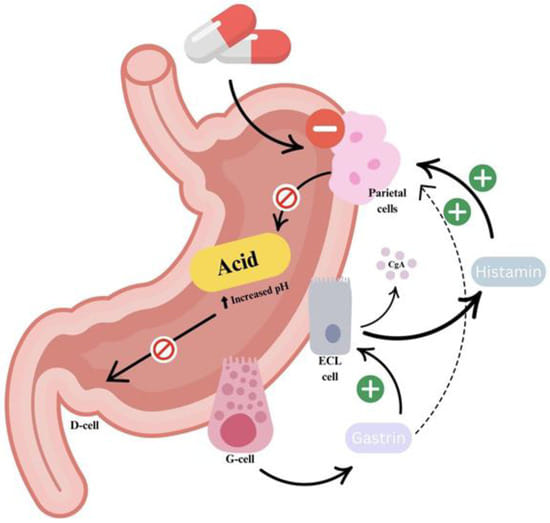
If your acid reflux flares up after eating fermented foods, you experience facial flushing, or you struggle with seasonal allergies alongside digestive issues, histamine driven reflux may be the underlying cause. Dr. Muhammad Ali Taj, a leading gastroenterologist with over 27 years of experience in Karachi, specializes in identifying these complex reflux patterns that standard treatments often miss.
What Is Histamine Driven Reflux?
Histamine is a chemical your body produces naturally. It plays a role in immune responses, stomach acid production, and brain function. When histamine levels become too high — either from excessive production or an inability to break it down — it triggers a cascade of symptoms, including acid reflux.
Dr. Ali Taj explains that this type of reflux is distinct because it’s driven by the body’s immune and inflammatory pathways rather than structural digestive problems alone. Patients often have a history of allergies, skin reactions, or sinus issues alongside their reflux.
How to Recognize Histamine Driven Reflux
This pattern presents with a unique combination of digestive and systemic symptoms:
Key Symptoms:
- Reflux after wine or fermented foods — yogurt, pickles, aged cheese, and vinegar-based items
- Sinus congestion — often chronic, worsening with certain foods
- Facial flushing — redness in cheeks and ears after meals or alcohol
- Seasonal allergies — hay fever, itchy eyes, and sneezing that coincide with digestive flare-ups
- Headaches or migraines — especially after high-histamine meals
- Skin reactions — hives, eczema, or unexplained itching
Who Is Most at Risk?
- Individuals with a history of allergies or asthma
- Women (histamine sensitivity can fluctuate with hormonal cycles)
- Patients with existing gut inflammation or bacterial imbalance
- Those with a family history of food intolerances
What Causes Histamine Driven Reflux?
The condition typically develops when the body’s ability to manage histamine is overwhelmed:
- Diamine oxidase (DAO) deficiency — DAO is the primary enzyme that breaks down histamine in the gut. Low DAO levels allow histamine to accumulate.
- Gut dysbiosis — certain gut bacteria produce excess histamine
- High-histamine diet — regular consumption of fermented, aged, or processed foods
- Chronic inflammation — keeps the immune system in a heightened state
- Mast cell overactivity — mast cells release histamine in response to triggers
Triggers Common in Pakistani Diet:
- Pickles (achar) — a staple condiment with very high histamine content
- Yogurt and lassi — fermented dairy products
- Aged meats and leftover curries — histamine increases as food ages
- Excessive tea — especially black tea, which can inhibit DAO function
- Spices like cinnamon and chili — can trigger mast cell activation in sensitive individuals
How Dr. Ali Taj Diagnoses Histamine Driven Reflux
Because histamine driven reflux overlaps with other conditions, precise diagnosis requires a comprehensive approach:
Diagnostic Procedures:
- Upper GI Endoscopy — to assess esophageal and stomach inflammation
- Detailed dietary and symptom history — mapping reflux triggers against food intake
- Allergy and immune panel assessment — evaluating broader immune reactivity
- H. pylori testing — this infection can interact with histamine pathways
- Elimination diet protocol — guided low-histamine trial to confirm the pattern
Treatment Options Available in Karachi
Dr. Ali Taj uses a multi-layered treatment approach that addresses both the reflux and the underlying histamine imbalance.
Medical Treatment:
- Targeted management of acid reflux symptoms
- Treatment of any identified gut infections
- Addressing underlying allergic or inflammatory conditions
- Nutritional guidance tailored to histamine sensitivity
Dietary Modifications:
- Eat fresh — cook and consume meals promptly; avoid leftovers stored for long periods
- Reduce high-histamine foods — limit pickles, vinegar, aged cheese, fermented dairy, and processed meats
- Focus on low-histamine options — fresh vegetables, rice, fresh chicken, lentils, and ghee
- Avoid known triggers — alcohol (especially red wine and beer), canned fish, and soy sauce
- Include DAO-supporting nutrients — foods rich in vitamin C (guava, citrus), vitamin B6 (chickpeas, bananas), and copper
Home Remedies for Support:
- Fresh ginger — has natural antihistamine properties; grate into warm water before meals
- Holy basil (tulsi) tea — helps stabilize mast cells and reduce histamine release
- Nigella seeds (kalonji) — traditionally used for allergy relief; 1 teaspoon with honey daily
- Quercetin-rich foods — onions, apples, and green leafy vegetables act as natural histamine stabilizers
- Fresh turmeric milk — anti-inflammatory support (use fresh turmeric, as dried spice mixes may contain additives)
Lifestyle Changes:
- Keep a food-symptom diary to identify personal triggers
- Manage stress — stress increases mast cell activation and histamine release
- Get adequate sleep — histamine regulation is closely tied to circadian rhythm
- Regular moderate exercise — but avoid overexertion, which can trigger histamine release
- Minimize exposure to environmental allergens (dust, pollen) alongside dietary management
Prevention Tips for Karachi Patients
- Prepare meals fresh daily rather than relying on reheated leftovers
- Reduce dependence on pickles and chutneys as daily condiments
- Choose fresh yogurt made at home over store-bought varieties with longer fermentation
- Be cautious with buffet dining — food that has been sitting out accumulates histamine
- Monitor symptoms during allergy season (spring and monsoon in Karachi) and adjust diet accordingly
When to See Dr. Ali Taj — Warning Signs
Consult Dr. Ali Taj immediately if you experience:
- Reflux that worsens with antihistamine-triggering foods despite standard treatment
- Chronic sinus congestion alongside persistent digestive issues
- Frequent unexplained flushing, hives, or skin reactions
- Digestive symptoms that flare during allergy season
- Difficulty breathing or throat tightness after certain meals
- Symptoms not responding to conventional reflux treatment
Success Stories from Dr. Ali Taj’s Practice
With over 13,500 successful procedures, Dr. Ali Taj has helped patients across Karachi who spent years treating “simple reflux” finally discover that histamine was the driving force behind their symptoms. Patients from DHA, Clifton, Gulshan, and beyond have found lasting relief through his targeted diagnostic approach.
Hospital Affiliations:
- Ziauddin Hospital (Clifton)
- Hill Park General Hospital
- Life Care Consultant Clinics
Book Your Consultation Today
If your reflux comes with flushing, allergies, or flares after fermented foods, you may be dealing with histamine driven reflux. Dr. Ali Taj’s expertise ensures you get the right diagnosis — not just another prescription.
Contact Dr. Ali Taj:
- WhatsApp: 0312 3803935
- Specialties: Gastroenterology, Hepatology, Endoscopy, ERCP, EUS
- Experience: 27+ years treating digestive disorders
Frequently Asked Questions
Q: Is histamine intolerance the same as a food allergy? A: No. Food allergies involve an immune response to specific proteins. Histamine intolerance is about the body’s inability to break down histamine efficiently, regardless of the food source.
Q: Can I still eat yogurt if I have histamine driven reflux? A: Fresh, minimally fermented yogurt in small amounts may be tolerable. However, aged or store-bought yogurt with extended fermentation should be limited. Dr. Taj can help you determine your personal threshold.
Q: How quickly will I see improvement? A: Many patients notice significant improvement within 2–3 weeks of following a guided low-histamine diet combined with appropriate medical support.
Q: Does this condition go away permanently? A: With proper gut healing and trigger management, many patients significantly improve. Some may need ongoing dietary awareness, while others achieve full resolution.
Q: Why doesn’t regular reflux treatment work for this? A: Standard reflux treatments focus on reducing acid production. In histamine driven reflux, the root issue is excess histamine triggering acid — treating the histamine pathway is what brings relief.
Medical Disclaimer: This information is for educational purposes only. Always consult with a qualified healthcare provider for proper diagnosis and treatment of digestive issues.