
Digestive Health
Gallbladder Related Reflux Treatment | Dr. Ali Taj Karachi
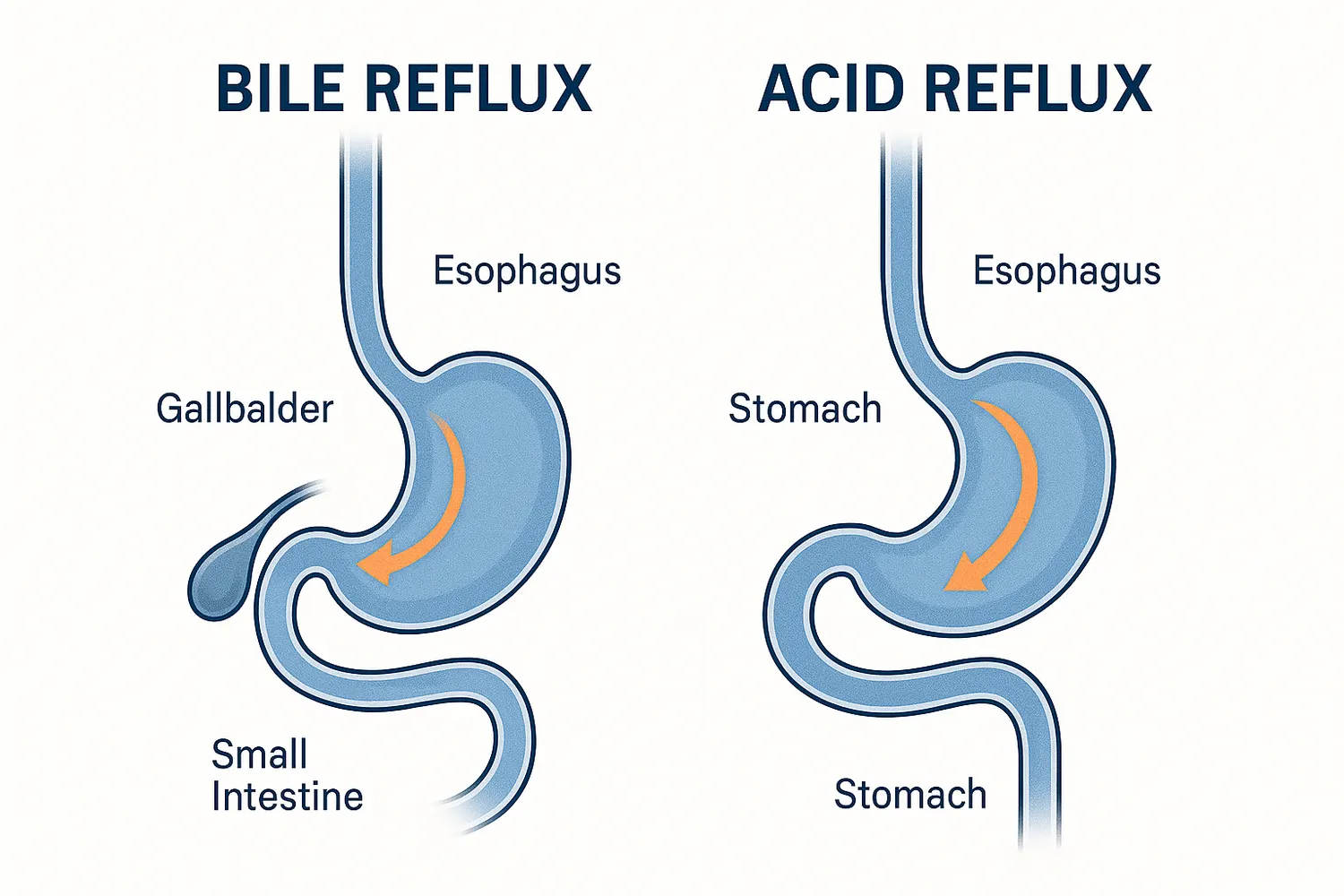
If your acid reflux flares up specifically after fatty or greasy meals, comes with a bitter taste in your mouth, and you feel discomfort under your right ribs, your gallbladder may be the hidden culprit. Dr. Muhammad Ali Taj, a leading gastroenterologist and hepatologist with over 27 years of experience in Karachi, specializes in diagnosing and treating this commonly overlooked pattern.
What Is Gallbladder Related Reflux?
The gallbladder stores bile — a digestive fluid produced by the liver that helps break down fats. When the gallbladder isn’t functioning properly, bile can flow irregularly, back up into the stomach, and push into the esophagus. This produces a distinctive bitter or metallic taste that is different from the sour taste of standard acid reflux.
Dr. Ali Taj explains that many patients are treated for years with standard acid reflux protocols when the real problem lies in their biliary system. Identifying this pattern changes the entire treatment approach.
How to Recognize Gallbladder Related Reflux
This pattern has a signature symptom profile that distinguishes it from other types of reflux:
Key Symptoms:
- Reflux after fatty meals — symptoms appear 30–60 minutes after eating oily or greasy food
- Nausea — particularly after heavy meals, sometimes with an urge to vomit
- Bitter taste in the mouth — distinctly different from the sour taste of acid reflux
- Right rib discomfort — a dull ache or pressure under the right ribcage
- Bloating and fullness — a feeling that food sits in the stomach and won’t digest
- Pale or clay-colored stools — in some cases, indicating bile flow disruption
Who Is Most at Risk?
- Women over 40 (gallbladder disease is significantly more common in women)
- Overweight or obese individuals
- Patients with a family history of gallstones
- Those who have experienced rapid weight loss
- People with high-fat, high-cholesterol diets
What Causes Gallbladder Related Reflux?
Several gallbladder conditions can trigger this reflux pattern:
- Gallstones (cholelithiasis) — stones block bile ducts, causing irregular bile release
- Biliary dyskinesia — the gallbladder contracts poorly and doesn’t empty bile efficiently
- Bile reflux — bile flows backward into the stomach and esophagus
- Sphincter of Oddi dysfunction — the valve controlling bile flow malfunctions
- Post-cholecystectomy syndrome — reflux can persist or develop after gallbladder removal
Risk Factors Common in Pakistani Patients:
- High consumption of fried foods (pakoras, samosas, paratha)
- Generous use of cooking oil and ghee in daily meals
- Large, infrequent meals rather than smaller, regular portions
- Sedentary lifestyle, particularly among women
- Genetic predisposition — gallstone prevalence is notable in South Asian populations
How Dr. Ali Taj Diagnoses Gallbladder Related Reflux
Accurate diagnosis requires looking beyond the esophagus and stomach to evaluate the entire biliary system:
Diagnostic Procedures:
- Upper GI Endoscopy — to detect bile in the stomach and assess esophageal damage
- Abdominal ultrasound — the primary tool for identifying gallstones and gallbladder wall thickening
- HIDA scan — evaluates gallbladder function and bile ejection fraction
- Endoscopic ultrasound (EUS) — Dr. Taj’s area of expertise, providing detailed imaging of the biliary system and detecting small stones missed by standard ultrasound
- Liver function tests — to assess overall biliary health
Dr. Ali Taj’s specialized training in EUS and ERCP makes him uniquely qualified to diagnose and treat complex biliary conditions in Karachi.
Treatment Options Available in Karachi
Treatment depends on the specific gallbladder condition identified. Dr. Ali Taj takes an individualized approach for each patient.
Medical Treatment:
- Bile acid-binding agents to reduce bile reflux
- Targeted treatment for gallbladder inflammation
- ERCP procedure for bile duct stones — Dr. Taj has performed thousands of these
- Coordination with surgical teams when gallbladder removal is indicated
- Post-surgical management to prevent ongoing bile reflux
Dietary Modifications:
- Reduce fat intake — limit fried foods, fatty meats, and excessive oil in cooking
- Eat smaller portions — large meals overwhelm the gallbladder
- Increase fiber — whole grains, lentils (daal), vegetables, and fruits support bile metabolism
- Choose lean proteins — grilled chicken, fish, and legumes instead of fatty red meat
- Avoid trigger foods — cream-based curries, deep-fried items, and heavy desserts
- Stay hydrated — adequate water intake supports bile flow
Home Remedies for Support:
- Apple cider vinegar — 1 tablespoon diluted in warm water before meals to support bile flow
- Peppermint tea — helps relax bile ducts and relieve nausea
- Lemon water — warm lemon water in the morning stimulates liver and bile production
- Artichoke leaf extract — traditionally used to support gallbladder function (consult Dr. Taj before use)
- Turmeric with black pepper — supports liver function and bile production
Lifestyle Changes:
- Maintain a healthy weight — avoid crash diets, which can trigger gallstone formation
- Regular moderate exercise — 30 minutes of walking daily supports digestive function
- Don’t skip meals — fasting for long periods causes bile to concentrate, increasing stone risk
- Avoid lying down immediately after fatty meals
- Reduce stress — it can cause gallbladder spasms
Prevention Tips for Karachi Patients
- Shift from deep-frying to grilling, baking, or steaming when possible
- Reduce cooking oil per meal — even small reductions make a difference over time
- Include salads and raw vegetables with meals to improve bile metabolism
- Don’t go long hours without eating — especially relevant during Ramadan; consult Dr. Taj for guidance
- Get a routine abdominal ultrasound if you have risk factors, even without symptoms
When to See Dr. Ali Taj — Warning Signs
Consult Dr. Ali Taj immediately if you experience:
- Severe pain under the right ribcage, especially after fatty meals
- Persistent bitter taste and nausea not responding to standard reflux treatment
- Yellowing of eyes or skin (jaundice)
- Fever with abdominal pain — may indicate gallbladder infection
- Dark urine and pale stools
- Sudden, intense upper abdominal pain that radiates to the back or right shoulder
These symptoms may indicate a gallbladder emergency requiring prompt evaluation.
Success Stories from Dr. Ali Taj’s Practice
With over 13,500 successful procedures including thousands of ERCPs and EUS examinations, Dr. Ali Taj has helped patients across Karachi finally identify gallbladder disease as the true cause of their “acid reflux.” Patients from DHA, Clifton, Gulshan, and PECHS have benefited from his specialized biliary expertise.
Hospital Affiliations:
- Ziauddin Hospital (Clifton)
- Hill Park General Hospital
- Life Care Consultant Clinics
Book Your Consultation Today
If your reflux worsens after fatty meals, comes with a bitter taste, or you feel pain under your right ribs, your gallbladder needs evaluation. Dr. Ali Taj’s expertise in biliary diagnostics — including EUS and ERCP — ensures nothing is missed.
Contact Dr. Ali Taj:
- WhatsApp: 0312 3803935
- Specialties: Gastroenterology, Hepatology, Endoscopy, ERCP, EUS
- Experience: 27+ years treating digestive disorders
Frequently Asked Questions
Q: Can gallbladder problems cause acid reflux? A: Yes. When the gallbladder malfunctions, bile can reflux into the stomach and esophagus, causing symptoms similar to acid reflux but with a characteristic bitter taste.
Q: Will removing my gallbladder cure the reflux? A: Gallbladder removal resolves many symptoms, but some patients develop post-cholecystectomy bile reflux. Dr. Taj provides comprehensive management for both scenarios.
Q: How do I know if my reflux is bile reflux or acid reflux? A: Bile reflux typically causes a bitter or metallic taste, worsens after fatty meals, and may cause right-sided discomfort. Acid reflux produces a sour taste. Endoscopy with Dr. Taj can definitively differentiate the two.
Q: Can gallbladder related reflux be managed without surgery? A: In many cases, yes. Dietary modification, medical management, and lifestyle changes can significantly improve symptoms. Surgery is recommended only when medically necessary.
Q: Is gallbladder disease common in Pakistan? A: Yes. Dietary patterns high in fats and oils, combined with genetic factors, make gallbladder disease quite prevalent in the Pakistani population.
Medical Disclaimer: This information is for educational purposes only. Always consult with a qualified healthcare provider for proper diagnosis and treatment of digestive issues.