
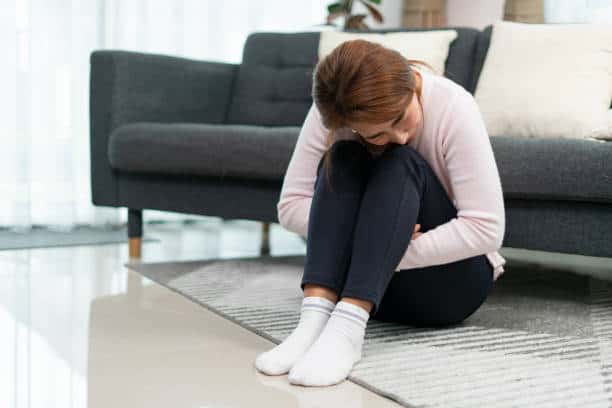
Gas Ka Ilaj: Pait Ki Gas Ka Fori Ilaj & Causes
Pait ki gas (پیٹ کی گیس), known in English as intestinal gas, trapped wind, or flatulence, and medically as excess intestinal gas. (Common Roman-Urdu spellings: gas ka ilaj, pait ki gas, pet mein gas, pet ki gas, gas ka elaj.)
Gas ka fori ilaj: khane ke baad 15 to 20 minute halki walk karein, garam pani aahista piyein, aur saunf ya ajwain ka kahwa lein. Seedha baithein, lait na jayein. Cold drinks aur chewing gum band karein. Agar gas rozana ho, khoon aaye, ya wazan gir raha ho, doctor ko dikhayein.
Gas ka ilaj in English kya hai?
Gas ka ilaj in English means treatment for intestinal gas or flatulence. The body makes gas in two ways: air you swallow while eating or talking, and gas produced when gut bacteria ferment undigested food in the colon. Doctors split the symptoms into three: flatulence (gas passed downward), belching or eructation (gas brought up as a burp, what you call dakar), and bloating (the swollen, full feeling). A healthy adult passes gas up to 20 times a day and that is normal. Treatment is about the excess and the discomfort, not about stopping gas completely, which is neither possible nor healthy.
Pait ki gas ka fori ilaj kya hai?
For mild gas, the fastest relief comes from movement, not medicine. Walk gently for 15 to 20 minutes. Sip warm water slowly. Sit upright instead of lying flat, and try lying briefly on your left side with your knees drawn up to help trapped gas move along. Most mild gas eases within an hour with these steps alone.
Here is why each step works, in plain terms.
Walking is the strongest single move. Gentle activity stimulates the muscle waves that push gas along the colon, which is why a stroll after dinner does more than any tablet for ordinary gas. Warm water relaxes the smooth muscle of the gut, while ice-cold drinks sometimes tighten it and worsen cramping. Sitting up matters because lying flat lets gas pool in the upper abdomen and lets stomach acid drift back into the food pipe, so you feel both fuller and more sour.
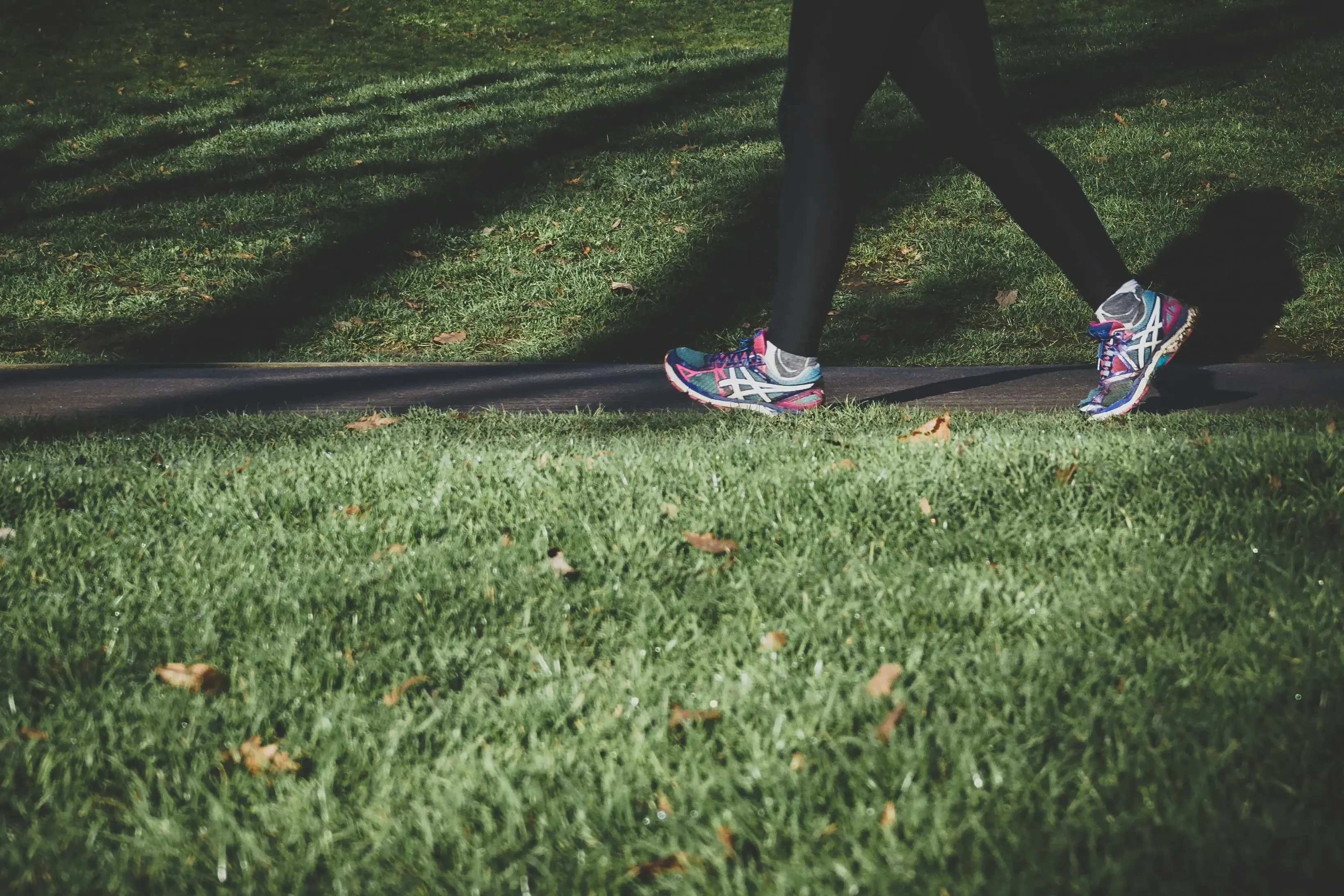
A short, gentle walk stimulates gut motility to help clear trapped gas. Source: Unsplash
What not to do in the first hour. Don’t reach for a cold drink, don’t chew gum, don’t eat a heavy “settling” meal, and don’t take a painkiller. The non-steroidal painkillers in particular irritate the stomach lining and can turn a gas problem into a gastritis problem.
Here are some home remedies:
- Walk gently for 15 to 20 minutes after eating.
- Sip one glass of warm water slowly over 10 minutes.
Sipping warm water slowly helps relax the gut muscles and move trapped gas. Source: Unsplash
- Sit upright or recline at about 45 degrees. Do not lie flat.
- Lie briefly on your left side with knees drawn toward the chest for 1 to 2 minutes.
- Make a cup of saunf or ajwain kahwa.
- Stop carbonated drinks, chewing gum, and smoking for the rest of the day.
- Note which food was eaten before the gas, so you can spot your trigger.
Gas ka gharelu ilaj jo waqai kaam karta hai
Patients ask me every day whether saunf, ajwain, and zeera actually do anything. Most have a real mechanism behind them, and a few have decent clinical backing. The honest list is short.
| Gharelu cheez | Kaise lein (dosage) | Kya karti hai |
|---|---|---|
| Saunf (fennel) | Half tsp chewed after meals, or boiled in a cup of water | Carminative; relaxes gut muscle, eases bloating |
| Ajwain (carom) | Half tsp crushed in warm water, sipped slowly | Thymol content; antispasmodic, reduces gas |
| Zeera (cumin) | 1 tsp boiled in water, strained, drunk warm | Aids digestion, mild relief from bloating |
| Adrak (ginger) | 1 cm fresh slice in hot water, up to twice daily | Strongest evidence; helps nausea and post-meal heaviness |
| Pudina (peppermint) | Mint tea, or capsules if advised | Eases cramping; recommended in IBS guidance |
| Ispaghol (psyllium husk) | 1 tsp in water once daily | For gas with qabz; softens and regularises stool |
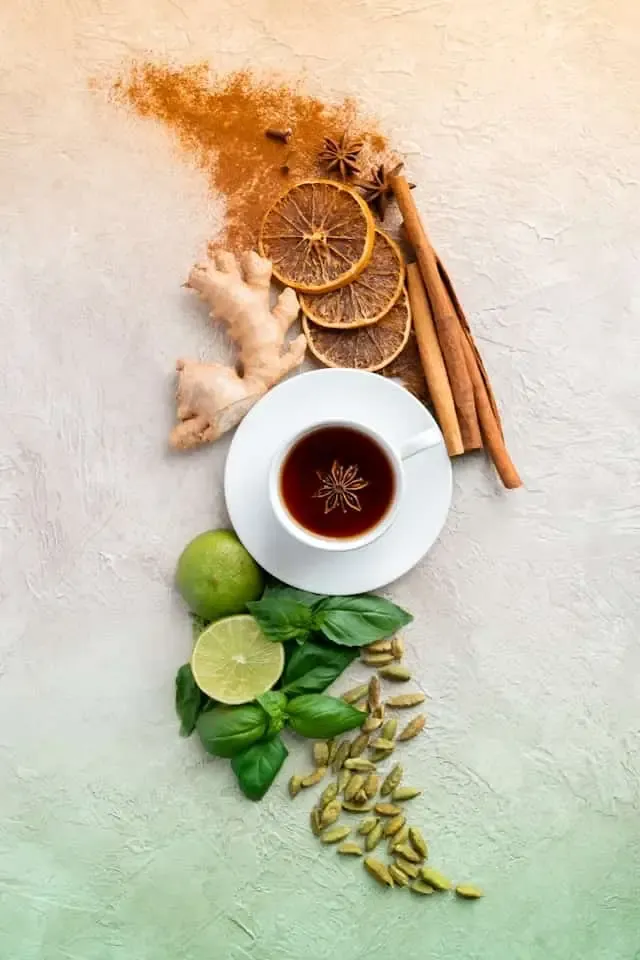
A warm cup of herbal ginger mint tea to soothe indigestion and relieve abdominal bloating. Source: Getty Images
Important: These home measures are for occasional, mild gas. They do not replace a proper diagnosis when symptoms are frequent. If gas comes with pain, weight loss, or bleeding, see a doctor rather than reaching for another kahwa. Take medical advice before regular use if you have reflux or gallstones.
One myth needs to be busted. Cola does not treat gas. Drinking a fizzy cold drink forces a loud burp that feels like relief for a moment, but the carbonation adds more gas to the gut and the sugar feeds fermentation. It makes the problem worse over weeks. The same goes for routine meetha soda (baking soda): it gives quick relief but carries a heavy sodium load that is risky for anyone with blood pressure trouble, and it can trigger rebound acid.
Gas kyun hoti hai? Karachi mein sab se aam wajuhat
The pattern usually points to the cause faster than any test. Below are the seven I see most.
1. Jaldi khana aur hawa nigalna (aerophagia). Eating fast, talking through meals, drinking fizzy drinks, chewing gum, and smoking shisha all push extra air into the gut. Desk-eaters on phone calls are most common here.
2. Fried aur heavy khana. Pakora, samosa, biryani, karahi, and nihari sit in the stomach for hours and ferment. Fat slows stomach emptying, so the load lingers and gas builds.
3. Daal aur high-fibre foods. Masoor and chana daal, cabbage, and beans carry fibres that gut bacteria ferment into gas. They are healthy foods. The fix is portion size and slow reintroduction, not avoidance.
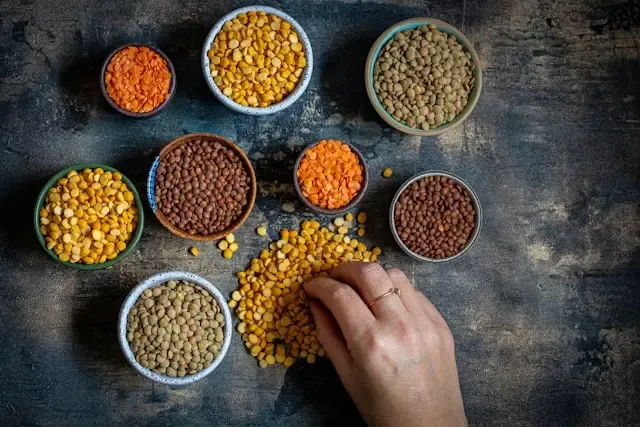
Masoor and chana daal contain high-fibre complex carbohydrates that can ferment into belly gas. Source: Unsplash
4. Lactose intolerance. Most South Asian adults lose much of their lactase enzyme after childhood. One published estimate put lactase persistence in Pakistan at around 38%, meaning the majority bloat after a big glass of milk or full-cream chai, usually 30 minutes to 2 hours later. Small amounts of dahi are often tolerated.
5. Qabz (constipation). A colon full of stool holds gas. Low fibre diets built on white roti and white chawal, with too little sabzi and water, are the everyday culprit. Our qabz ka ilaj page covers the dietary fixes.
6. H. pylori infection. H. pylori prevalence in Pakistani adults runs roughly 50 to 80% across published studies, with work from Aga Khan University and others. It often shows up as bloating, upper-abdominal fullness, and frequent burping rather than classic pain.
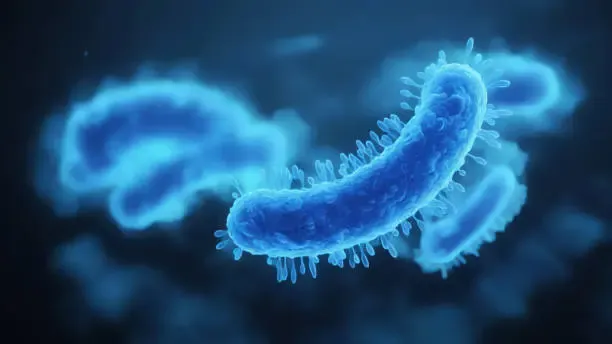
Helicobacter pylori bacteria colonizing the stomach lining. Source: Getty Images
7. IBS (irritable bowel syndrome). Chronic gas with cramping and a change in stool, worse with stress and worse through the working week. Common in patients in their twenties and thirties in pressured jobs. The American College of Gastroenterology’s 2021 IBS guideline guides management, and we cover it in detail on the IBS treatment and diet page.
Gas aur kabz ka ilaj saath mein kaise karein?
When gas and constipation come together, treat the constipation first, because a backed-up colon traps gas. Increase water, eat fibre from sabzi and fruit rather than refined carbohydrate, walk daily, and consider isabgol once a day. Relieving the stool usually relieves the gas within a few days.
The combination is one of the commonest things I’m asked about, often phrased as “gas aur kabz dono ka ilaj batayein.” The mechanism is simple. Stool sitting in the colon ferments and produces gas, and a full colon physically blocks gas from moving along. So the gas you feel is partly a constipation symptom. Fix the transit and you can fix much of the gas.
What works, in order: water through the day, not just at meals; fibre from vegetables, fruit, and oats rather than from supplements alone; a 15-minute walk after lunch and dinner; and isabgol (psyllium husk), one teaspoon in water daily, which is the one supplement I find genuinely useful for both problems at once. White roti and white chawal at every meal, with little sabzi, is the pattern that keeps both going.
Biryani ya fried khane ke baad gas kyun barh jati hai?
Fried food slows down how fast the stomach empties, so the meal sits longer and ferments more. Biryani, nihari, pakoray are the main culprits, and eating them fast with a cold drink adds swallowed air on top. Smaller portions and a walk afterward make the biggest difference.
This is the question patients phrase most times that “biryani kha ke gas ho gayi”. Fat is the slowest thing the stomach handles, so a fat heavy plate of biryani or nihari lingers, and the longer food sits, the more gas forms. Moreover, the way these meals are usually eaten, quickly, in large portions, often with a fizzy drink, and you have swallowed air plus fermentation in one sitting. Wedding season eating, with heavy food across several functions in a week, is another trigger.
Ramadan deserves its own note. The classic iftar of pakora, samosa, fried rolls, and a sweet rooh afza, all hitting an empty stomach at once, then lying down after taraweeh, is a recipe for gas. Start iftar with dates and water, pause, then spread the meal between maghrib and isha rather than eating it all at maghrib. Keep sehri lighter and go easy on the chai.
Doctor kab dikhana chahiye? Red flags
Most gas sorts itself out within a day and never needs a doctor. Some patterns do, and missing them is the dangerous part.
Seek emergency care now if you have: blood in vomit, black tarry stools, severe sudden abdominal pain, a swollen tense abdomen that hurts to touch, vomiting that will not stop, yellowing of the eyes or skin, or chest pain mistaken for indigestion.
Outside emergencies, book a gastroenterology appointment if any of these apply: gas on most days for more than 2 to 3 weeks despite home measures; gas with unintentional weight loss; gas with early satiety, feeling full after only a few bites; a persistent change in bowel habit; gas with blood in the stool; a family history of stomach or colon cancer, especially over 40; or gas that wakes you from sleep. None of these is a reason to panic, but each is a reason to be examined rather than to keep self-treating.
Doctor kya karta hai? The workup
The first visit is mostly conversation: where the gas sits, when it started, which foods set it off, what your stool is doing, and what you have already tried. A physical examination follows. Tests, when needed, are chosen to fit the story, not ordered as a blanket panel.
The common ones are a stool antigen test for H. pylori, an abdominal ultrasound to check the liver, gallbladder, and pancreas; and an endoscopy when upper symptoms do not settle.
Belching, bloating, and flatulence are common and usually reflect swallowed air or normal colonic fermentation, but persistent or severe symptoms warrant evaluation rather than indefinite self-treatment. — Adapted from the American College of Gastroenterology, patient guidance on belching, bloating, and flatulence
Gas ke liye khane mein kya parhez karein?
For most people with functional gas, a short list of dietary swaps cuts symptoms within 2 weeks. The goal is fewer triggers and smaller, calmer meals, not a joyless diet.
Reduce or avoid: carbonated and energy drinks, large biryani or karahi portions in one sitting, heavy fried iftar foods all at once, chewing gum, full-cream chai if you suspect lactose intolerance, and large amounts of beans, cabbage, and cauliflower if these set you off.
Keep or favour: smaller meals spread through the day, daal khichdi in modest portions, sabzi, banana, papaya, plain dahi with live cultures, boiled chawal, oats, and the saunf, ajwain, and ginger covered above. A 15-minute walk after lunch and dinner does more than most patients expect. For more detail on overlapping symptoms, see our pages on pait ki gas ka fori ilaj and bloating and pait phoolna.
Aksar puchhe jaane wale sawaalat (FAQs)
Gas ka fori ilaj kya hai? Sab se asaan fori ilaj: khane ke baad 15 se 20 minute halki walk, garam pani aahista piyein, aur saunf ya ajwain ka kahwa. Seedha baithein, lait na jayein. Fizzy drinks, chewing gum aur jaldi khana band karein. Zyada tar mild gas ek ghante mein behtar ho jati hai.
What is gas ka ilaj in English? Gas ka ilaj in English means treatment for intestinal gas or flatulence. The medical terms are flatulence, belching or eructation, and bloating. Treatment depends on the cause: diet changes, walking, and treating any underlying H. pylori, constipation, or lactose intolerance.
Biryani ya fried khane ke baad gas kyun hoti hai? Biryani, karahi, aur fried pakora mein fat zyada hota hai jo pait mein der tak rehta hai aur fermentation barhata hai. Jaldi khana aur saath mein cold drink hawa andar le jati hai. Chhote portions aur baad mein walk se farq parta hai.
Kya cola ya thanda drink gas ka ilaj hai? Nahi. Cola peene se zor ki dakar aati hai jo waqti taur par achha lagta hai, lekin carbonated drink asal mein pait mein gas aur barha deti hai. Yeh sab se aam galat fehmi hai. Gas ya acidity ho to bilkul nahi peena chahiye.
Gas aur kabz ka ilaj saath mein kaise karein? Gas aksar qabz ke saath aati hai kyunke bhara hua colon gas rok leta hai. Pani barhayein, fibre wali sabzi aur phal khayein, aur rozana chalein. Isabgol dono mein madadgar hai. Agar do hafte mein behtari na ho ya khoon aaye, to gastroenterologist se milein.
Gas ka ilaj ke liye meetha soda theek hai? Meetha soda waqti relief de sakta hai lekin khatarnak ho sakta hai. Isme sodium bohat hota hai jo blood pressure walon ke liye theek nahi, aur yeh rebound acid barhata hai. Behtar hai saunf ya ajwain istemaal karein.
Ramadan mein gas ka ilaj kaise karein? Iftar mein ek saath fried pakora, samosa aur meethi cheezein gas ka sab se bara sabab hain. Khajoor aur pani se shuru karein, phir thoda intezaar karein, aur khana maghrib aur isha ke darmiyan phaila kar khayein. Sehri halka rakhein aur chai kam karein.
Karachi mein appointment
This article is for general information only. It is not a substitute for personalised medical advice, diagnosis, or treatment. If you have symptoms that worry you, especially blood in vomit or stool, black stool, severe pain, persistent vomiting, jaundice, unexplained weight loss, or trouble swallowing, see a doctor or visit an emergency department promptly.
Reviewed on 15 June 2026 by Dr. Muhammad Ali Taj, MBBS, FCPS (Gastroenterology), MRCP (UK), Consultant Gastroenterologist and Hepatologist in Karachi. Read Dr. Taj’s full profile.
Dr. Ali Taj consults at Ziauddin Hospital (Clifton), Hill Park General Hospital, Life Care Consultant Clinics, and Usman Memorial Hospital. To book an appointment, visit the consultation schedule page or contact the clinic. For overlapping symptom patterns, see our pages on pait ki gas ka fori ilaj, pait mein gas ka ilaj, bloating and pait phoolna, pait dard ka ilaj, and qabz ka ilaj.