
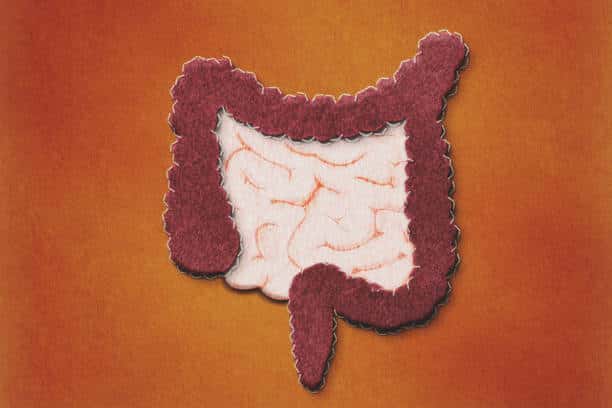
Qabz Ka Ilaj: Constipation Treatment, Causes & Relief
Qabz (قبض), known in English as constipation, and medically as the same word, constipation. (Common Roman-Urdu spellings: qabz, kabz, qabaz, pait mein qabz.) Constipation affects an estimated 15 to 20% of Pakistani adults, yet most try home remedies for a week or more before they say the word out loud.
For most mild qabz, three things fix it within 1 to 2 weeks: more fibre (sabzi, phal, khajoor, isabgol), 6 to 8 glasses of water a day, and a 30-minute walk. Isabgol, 1 to 2 teaspoons at night with a full glass of water, is the safest desi option and does not cause dependence. If qabz lasts beyond 2 weeks despite this, or if there is blood or weight loss, see a doctor.
Qabz ko English mein kya kehte hain?
Qabz in English is called constipation. There is no separate lay word and medical word here, the way there is for some symptoms. Doctors define constipation not by a strict number but by a pattern like fewer than three bowel movements a week, hard or lumpy stools, straining, or a feeling that you have not finished. Anywhere from three times a day to three times a week can be normal, as long as the stool is soft and passes easily. The problem is the difficulty and the hardness.
Qabz kyu hoti hai? Sab se aam wajuhat
In Karachi specifically, the same handful of causes turn up again and again. Most are about diet and routine, not disease.
| Wajah (cause) | Kaise pata chalta hai | Pehla qadam (first step) |
|---|---|---|
| Low fibre (zyada maida, white chawal, kam sabzi) | Hard, dry stool; straining | Sabzi, phal, isabgol, brown chawal |
| Kam paani | Hard stool, especially in summer | 6 to 8 glasses water daily |
| Zyada chai, kam paani | drinking excess chai | Chai 2 to 3 cups, baaqi paani |
| Kam jismani harkat (desk job, kam chalna) | Sluggish bowel, bloating | 30-minute walk daily |
| Urge ko rokna (busy schedule, ganda toilet) | Stool harder the longer it waits | Fixed bathroom time after breakfast |
| Dawaiyan (kuch painkillers, antacids, iron) | Qabz starts after a new medicine | Tell your doctor; do not stop on your own |
| Medical (thyroid, diabetes, hamal, IBS) | Qabz with other symptoms | Needs evaluation, not just laxatives |
Important: This table is for general education, not self-diagnosis. Many conditions overlap. For a persistent problem, see Dr. Taj or your own doctor for a proper assessment.
A typical plate in Karachi is heavy on white chawal, naan from refined maida, and meat (biryani, qorma, nihari), with little sabzi or fruit. The average Pakistani eats roughly 10 to 15 grams of fibre a day. The figure most guidelines recommend is 25 to 30 grams.
Then there is the urge people ignore. The longer stool sits in the colon, the more water the colon pulls out of it, and the harder it gets. Children do this too, often during potty training, which starts a painful cycle: pain, then withholding, then a harder stool, then more pain.
Qabz ka gharelu ilaj jo waqai kaam karta hai
Patients ask whether isabgol, khajoor, ghee, and the rest actually do anything. Most have a real mechanism. A few are overrated. Here is the honest version.
Isabgol (psyllium husk). The single most useful home remedy is a bulk forming fibre that holds water, making stool softer and bulkier so it moves more easily. One to two teaspoons at night in a full glass of warm water or milk. The catch is in the research brief itself, that it must be followed with plenty of water, or it can make bloating worse. Psyllium has decent clinical evidence in chronic constipation, and unlike stimulant laxatives, it does not cause dependence. It costs very little, which matters, and it is widely available.
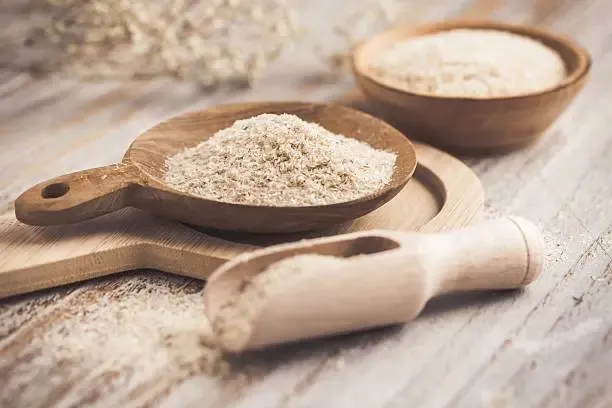
Psyllium husk (Isabgol) absorbs water to ease transit, but it must be taken with plenty of fluids to prevent worsening bloating. Source: Unsplash
Khajoor (dates) and bhigi hui kishmish (soaked raisins). Four to five dates a day, or a handful of raisins soaked overnight, add fibre and natural sugars that draw water into the bowel. Slow but steady. Useful for children and older patients who cannot tolerate much else.
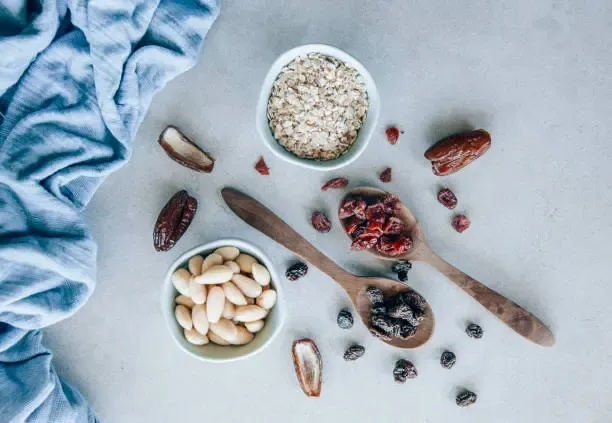
Dates and soaked raisins provide natural fibre and organic sugars to support gentle bowel motility. Source: Unsplash
Paani (water). Not a remedy on its own, but every other measure fails without it. Fibre without water can actually worsen qabz. Six to eight glasses a day, more in Karachi’s summer heat.

Adequate daily hydration is essential to soften stool and enable dietary fibre to clear constipation effectively. Source: Unsplash
Dahi (plain yoghurt with live cultures). Helpful for general gut regularity. The evidence is modest, but it does no harm and patients tolerate it well.
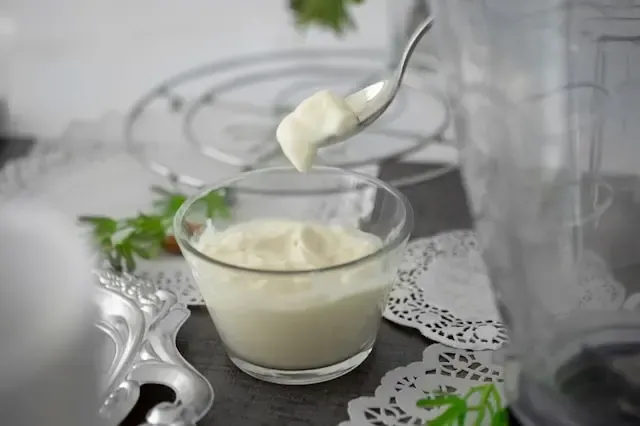
Plain dahi containing live bacterial cultures helps maintain a balanced gut microbiome and supports digestive health. Source: Unsplash
Ghee (clarified butter). A teaspoon at night can lubricate the bowel slightly. It works for some, but it is calorie dense, so not recommended for patients watching their weight.
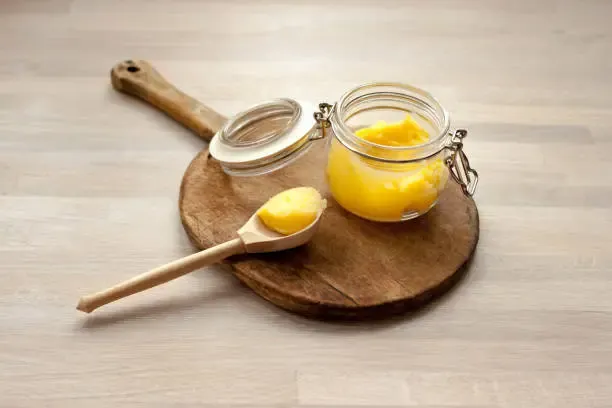
Ghee acts as a traditional mild lubricant for the bowel, though its high calorie density means it should be used cautiously. Source: Unsplash
Senna (sona makhi) and triphala. These are stimulant-type remedies. They work, sometimes dramatically, which is why patients like them. The problem is exactly what patients fear: “laxatives ki aadat lag jati hai.” Used daily for weeks, the gut starts to rely on them. Fine for occasional, short-term use. Not a long-term plan.
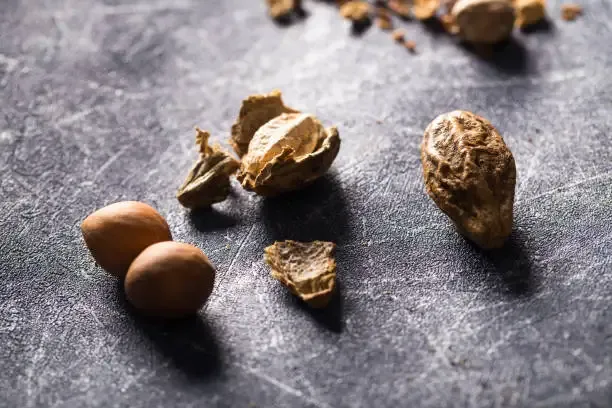
Triphala and senna offer potent short-term relief for constipation, but routine use should be avoided to prevent gut dependency. Source: Unsplash
What to skip or use with caution: large amounts of castor oil (harsh and crampy), and any unregulated hakim powder bought loose from a roadside stall. Some of these contain ingredients that do more harm than the qabz.
A simple way to start is a one week reset, ticking off all four habits each day:
- Day 1: 6 to 8 glasses water, one fibre meal (sabzi or daal), 20-minute walk, isabgol at night.
- Day 2: Same, plus 4 to 5 khajoor or soaked kishmish in the morning.
- Day 3: Same, plus one fruit with skin (seb, nashpati, amrood).
- Day 4: Same. Note whether stool is softer and easier to pass.
- Day 5: Same. Replace one white-chawal meal with brown chawal or extra sabzi.
- Day 6: Same. Cut chai down to 2 to 3 cups, and replace the rest with water.
- Day 7: Review. If stool is regular and soft, keep going. If no change at all, book an appointment.
Qabz ki medicine: kya doctor ke bina le sakte hain?
Short answer: a few are reasonable for a short time, but the pattern of relying on them is the real problem.
Over the counter options in Pakistan fall into a few groups. Bulk forming fibre (isabgol-based products) is the safest and can be used long-term. Osmotic laxatives, such as the lactulose and macrogol types, draw water into the bowel and are gentle. Stimulant laxatives, the senna and bisacodyl types, are effective for a quick result but are the ones that cause dependence with daily use.
The frustration in the research is real: “isabgol khata hoon, pehle theek hota hai, phir wapas aa jata hai.” That usually means the underlying habit, low fibre, low water, no walking, never changed. The laxative treated the symptom for a day. It did not fix the cause.
We do not name specific brands or doses on this site, because the right choice depends on the person. A young patient with a low-fibre diet needs fibre and water, not a daily stimulant. An older patient on multiple medicines may have a drug-induced cause that needs reviewing. Someone with qabz alternating with diarrhoea may have IBS, which is a different plan entirely. A short consultation sorts out which path fits.
Constipation should first be managed with lifestyle measures, including adequate fibre and fluid intake and regular physical activity. Laxatives are added when these are insufficient, with bulk-forming agents tried first and stimulant laxatives reserved for short-term use. — Adapted from the World Gastroenterology Organisation, Constipation: A Global Perspective
Isabgol vs prescription laxative: kaunsa behtar hai?
Different jobs. One is a daily habit you build into your diet, the other is a tool for when that is not enough.
| Isabgol (bulk fibre) | Stimulant laxative (senna type) | |
|---|---|---|
| Kaise kaam karta hai | Holds water, softens and bulks stool | Forces the bowel muscle to contract |
| Speed | Slow and steady, over days | Fast, often overnight |
| Aadat (dependence) | No, safe long-term | Yes, if used daily for weeks |
| Best for | Everyday prevention and mild qabz | Occasional, short-term relief |
| Karachi cost | Very low | Low to moderate |
| Doctor’s note | First choice for most patients | Bridge only, not a daily plan |
Khane mein kya khana chahiye aur kya nahi?
The aim is simple: push fibre and water up, and bring refined, fried, and dry foods down.
Keep or favour: sabzi at every meal (palak, methi, gajar, bhindi), daal and beans, phal with the skin on (seb, nashpati, amrood, papaya), khajoor and soaked kishmish, oats, brown chawal in place of some white chawal, isabgol, dahi, and plenty of water. Papaya in particular is a gentle, reliable choice that many patients tolerate well.
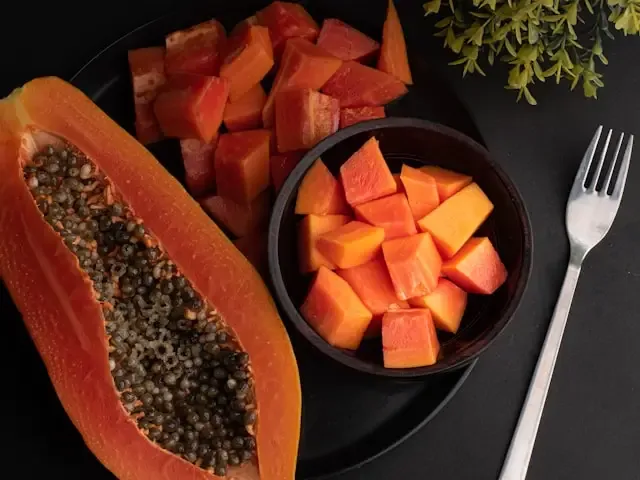
Papaya contains natural digestive enzymes and dietary fibre that provide gentle, reliable support for bowel regularity. Source: Unsplash
Reduce: white chawal in large portions, naan and roti made from refined maida, fried items (samosa, pakora, puri, fried paratha), heavy meat only meals with no sabzi alongside, and very large amounts of chai. None of these are banned but the point is balance.
During Ramadan, the same logic applies across sehri and iftar. The common pattern is a fried iftar, sweet drinks, dehydration through the fasting hours, then a light sehri with no fibre. Shift some fibre into sehri (oats, dahi, khajoor, sabzi), drink most of your water between maghrib and sehri, and take a short walk after taraweeh. That alone resolves most Ramadan qabz.
Bachon mein qabz ka ilaj?
Children are common in this clinic for qabz, and the approach is gentler. Most childhood constipation is functional, often tied to potty training, picky eating, or avoiding school toilets. The cycle is the thing to break early: a painful, hard stool makes a child hold the next one, which makes it harder still.
First steps are food and routine, not medicine: more water, fruit (soaked raisins, dates for older children), sabzi where you can manage it, dahi, and a calm, unhurried bathroom routine after meals. “Bachcha sirf chawal aur roti khata hai” is something I hear from almost every parent, so small, steady additions work better than a sudden overhaul.
Do not give very young children laxatives on your own. See a pediatrician or gastroenterologist if there is pain on passing stool, blood, no improvement after a week of home measures, or, in a baby, constipation that has been there since birth, which occasionally points to a structural cause that needs proper assessment.
Doctor kab dikhana chahiye? Red flags
Most qabz is a diet-and-routine problem and sorts out in a week or two. Some patterns are different, and missing them is the real risk.
Seek emergency care now if you have: blood in the stool that is heavy or persistent, severe abdominal pain with vomiting and no passage of stool or gas, a hard swollen abdomen, or sudden severe pain that stops you standing up. These can point to obstruction and need same-day evaluation.
Outside emergencies, book a gastroenterology appointment if any of these apply: qabz lasting more than 2 weeks despite home measures; any blood in the stool, even a small amount (often bawaseer, but it must be confirmed, not assumed); unintentional weight loss; a sudden, persistent change in your usual bowel habit, especially over the age of 40; qabz alternating with diarrhoea; a family history of colon cancer; or qabz that started after a new medicine. One reassurance worth stating plainly, because the research brief flags it as a common fear: qabz itself does not cause cancer.
Doctor kya karta hai? The workup
The first visit is mostly conversation. How often, how hard, how long, any blood, any weight change, what you eat and drink, what medicines you take, and what you have already tried. Tests, when needed, are targeted:
- Blood tests to check for thyroid problems, anaemia, and calcium, which can all slow the bowel.
- A look for red flags on examination, and a digital rectal exam if there has been bleeding.
- Colonoscopy for patients over 40 with a new change in bowel habit, blood in the stool, weight loss, or a family history of colon cancer.
Another reassurance from the research: not everyone needs every test. “Test karwata hoon, kuch nahi nikalta” is a frustration I hear, but a normal result in the right context is itself useful. It tells us the cause is functional and dietary, which is good news, and points the treatment at habit rather than disease.
Aksar puchhe jaane wale sawaalat (FAQs)
Qabz ka ilaj kya hai? Qabz ka sab se asaan ilaj fibre aur paani barhana hai: rozana sabzi, phal, khajoor, isabgol, aur 6 to 8 glass paani. Isabgol 1 to 2 teaspoon raat ko garam paani ya doodh ke saath sab se mehfooz desi option hai. Agar 2 hafte tak qabz theek na ho, gastroenterologist se milein.
Kya isabgol qabz ke liye achha hai? Haan. Isabgol (psyllium husk) ek bulk-forming fibre hai jo stool ko naram aur barha banata hai. 1 to 2 teaspoon raat ko ek bharay glass paani ke saath lein. Shuru mein thori gas ho sakti hai, isliye saath khoob paani peena zaroori hai. Yeh long-term istemal ke liye bhi mehfooz hai, laxative ki tarah aadat nahi daalta.
Qabz kyu hoti hai? Sab se aam wajuhat hain: khane mein fibre ki kami (zyada maida, white chawal, kam sabzi), kam paani, zyada chai, kam jismani harkat, aur urge ko rokna. Kuch dawaiyan, thyroid problems, hamal, diabetes, aur IBS bhi qabz ki wajah ban sakti hain. Karachi mein gosht-heavy diet aur kam paani sab se common combination hai.
Kitne din qabz rehne par doctor ke paas jaana chahiye? Agar 2 hafte tak gharelu ilaj ke bawajood qabz theek na ho, doctor dikhayein. Lekin potty mein khoon, wazan ka bina koshish girna, ya bowel habit ka achanak badalna ho to foran, especially agar aap ki umar 40 se zyada hai. Teen din se zyada bilkul motion na aaye aur saath ulti ho to yeh emergency ho sakti hai.
Kya laxatives ki aadat lag jati hai? Stimulant laxatives (jaise senna ya sona makhi) agar rozana hafton tak liye jayein to gut un par depend karne lagta hai, aur qabz wapas aa jati hai. Bulk-forming fibre jaise isabgol aur osmotic laxatives is tarah aadat nahi daalte. Isi liye main short-term ke liye stimulant aur long-term ke liye fibre par zor deta hoon.
Kya qabz se cancer hota hai? Nahi. Qabz khud cancer ka sabab nahi banti. Lekin bowel habit ka achanak aur musalsal badalna, potty mein khoon, ya wazan girna colon cancer ki nishani ho sakti hai, isi liye in red flags ko ignore nahi karna chahiye. Daily motion na aana bhi normal ho sakta hai aur is se ghabrane ki zaroorat nahi.
Ramzan mein qabz ka ilaj kya hai? Sehri aur iftar mein fibre aur paani par dhyan dein: sehri mein oats, dahi, khajoor, aur sabzi; iftar ke baad se sehri tak khoob paani. Talay hue pakoray aur samosay kam karein. Maghrib se sehri tak kam az kam 8 glass paani poora karein. Halki walk taraweeh ke baad madadgar hai.
Bachon mein qabz ka ilaj kaise karein? Bachon ke liye paani, phal (khajoor, kishmish bhigo kar), sabzi, aur dahi pehla qadam hai. Bohot chhote bachon ko bina doctor ke laxative na dein. Agar bachay ko potty karte waqt dard ho, khoon aaye, ya 1 hafte tak gharelu ilaj se faida na ho, to pediatrician ya gastroenterologist ko dikhayein.
Karachi mein appointment
This article is for general information only. It is not a substitute for personalised medical advice, diagnosis, or treatment. If you have symptoms that worry you, especially blood in the stool, severe pain, persistent vomiting, jaundice, unexplained weight loss, or a sudden change in bowel habit, see a doctor or visit an emergency department promptly.
Reviewed on 15 June 2026 by Dr. Muhammad Ali Taj, MBBS, FCPS (Gastroenterology), MRCP (UK), Consultant Gastroenterologist and Hepatologist in Karachi. Read Dr. Taj’s full profile.
Dr. Ali Taj consults at Ziauddin Hospital (Clifton), Hill Park General Hospital, Life Care Consultant Clinics, and Usman Memorial Hospital. To book an appointment, visit the consultation schedule page or contact the clinic. For related symptom patterns, see our pages on pait dard ka ilaj, pait mein gas ka ilaj, bloating aur pait phoolna, and dakar in English.