
Gastroenterology
Badhazmi in English: Indigestion & Dyspepsia Meaning

Badhazmi (بدہضمی), known in English as indigestion or an upset stomach, and medically as dyspepsia, (Common Roman-Urdu spellings: badhazmi, bad hazmi, bad-hazmi, hazma kharab, hazme ki kharabi.). It means upper-belly discomfort after eating such as fullness, burning, early satiety, bloating, or nausea.
Badhazmi ko English mein kya kehte hain?
Badhazmi in English is indigestion. The medical word is dyspepsia. Both describe the same thing: discomfort centred in the upper abdomen, usually around or after eating.
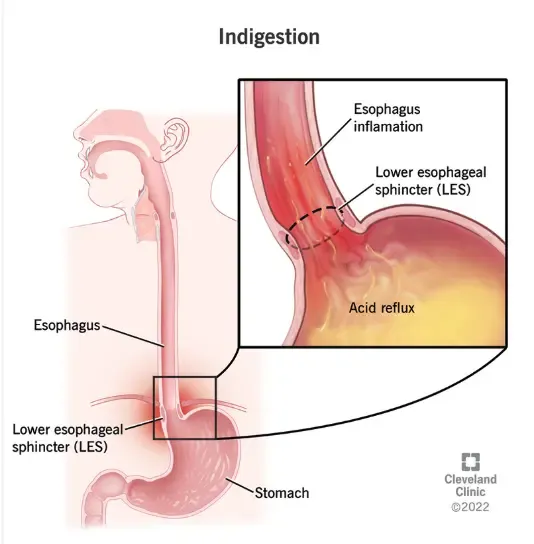
*Dyspepsia typically presents as pain or discomfort centered in the upper abdomen. Image Source: Cleveland Clinic*
Dyspepsia is an umbrella. Underneath it sit several different problems that all feel similar from the outside: gnawing pain; fullness after a few bites; burning that climbs toward the chest; nausea after a fatty meal. Hazma means digestion, so hazma kharab and hazme ki kharabi are just other ways of saying the same complaint, “having digestion issues”. The English answer for all of them is the same word.
Badhazmi vs indigestion vs dyspepsia: difference kya hai?
There is no difference in meaning. The difference is exactly as with dakar (burp) versus eructation. One word is what you say at home, one is what the doctor writes.
Badhazmi ki alamat kya hain? (symptoms)
Indigestion is defined by its symptoms, because there is no single test that says “this is dyspepsia.” The classic four, recognised in the Rome IV criteria used by gastroenterologists worldwide, are bothersome fullness after a normal-sized meal, getting full too quickly (early satiety), epigastric pain, and epigastric burning. Bloating, belching, and nausea often ride along.
Patients in Karachi tend to describe these in their own words. “Khana hazam nahi hota” is delayed emptying or postprandial fullness. “Thoda sa kha ke pait bhar jata hai” is early satiety. “Pait ke upri hisse mein jalan” is epigastric burning. Khatti dakar and acid coming up point toward the reflux end of the spectrum. None of these alone names the cause. Together, they sketch a pattern, and the pattern is what guides testing.
The Rome IV framework splits functional indigestion into two pictures. One is meal related, with fullness and early satiety dominating (postprandial distress). The other is pain-dominant, with epigastric pain or burning (epigastric pain syndrome). Many patients sit in both. The distinction sounds academic, but it changes which treatment a doctor reaches for first.
Functional dyspepsia is diagnosed when there is one or more of postprandial fullness, early satiation, epigastric pain, or epigastric burning, severe enough to affect daily activities, with no structural disease found on endoscopy to explain it. — Adapted from the Rome IV Criteria for Functional Gastroduodenal Disorders, Rome Foundation, 2016
Badhazmi kyu hoti hai? Causes in Karachi
Most indigestion comes down to how, what, and when people eat, layered on top of a stomach that is sometimes more sensitive than average. In Karachi specifically, a handful of causes turn up again and again.
The first is the late, heavy dinner. Biryani, nihari, or a karahi eaten after 10 p.m., then straight to bed, is the single most common setup I see. The stomach empties slowly, acid pools, and the night becomes uncomfortable. Fried food does the same thing, which is why badhazmi spikes across the city during Ramadan, when iftar starts with pakoras and samosas on an empty stomach.
The second is Helicobacter pylori, a stomach bacterium that is hyperendemic in Pakistan. Prevalence in Pakistani adults runs roughly 50 to 80% across published studies. Many carry it for years with no symptoms. When it does cause trouble, badhazmi with upper-abdominal fullness and burning is a typical face of it.
 Helicobacter pylori bacteria colonizing the stomach lining. Source: Getty Images
The third is acid reflux, what patients call tezabiat. The fourth, in a large share of patients, is functional dyspepsia: a genuinely sensitive, slightly sluggish stomach with no ulcer or infection behind it. It is the most common form worldwide. Across the US, Canada, and UK, dyspepsia affects up to 30% of people, and roughly 70% of those have the functional type. The numbers in Pakistan are not lower.
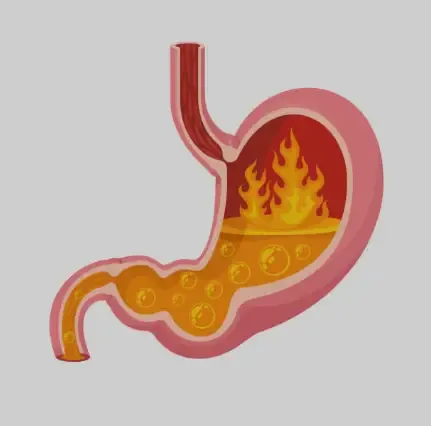
Stomach acid levels and gastric reflux. Source: Getty Images
Painkillers of the non-steroidal class, taken casually for headaches and body aches, inflame the stomach lining and produce badhazmi and ulcers. And stress: the gut has its own dense nerve network, and anxiety reliably translates into real upper-belly discomfort. That is covered in more depth on our pait dard page.
Badhazmi ka ilaj kya hai? (treatment, in plain terms)
For mild, occasional badhazmi, the fixes are behavioural and they work:
- Eat smaller portions.
- Stop eating at least 3 hours before lying down.
- Cut back on fried food, large chai on empty stomach mornings, and fizzy drinks.
- A short walk after dinner helps the stomach empty.

*A short walk after meals can significantly aid stomach emptying and digestion. Image Source: Unsplash*
- Saunf (fennel) and ajwain (carom seeds) in warm water have mild antispasmodic activity and are safe to try.
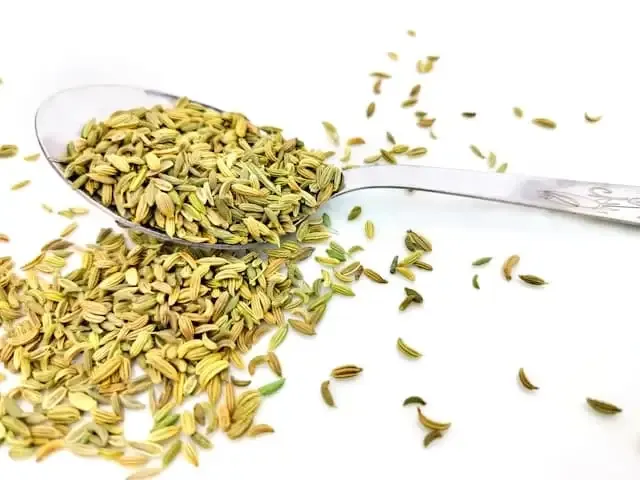
*Fennel seeds (Saunf) provide natural antispasmodic activity to help soothe the stomach. Image Source: Unsplash*
For more on the home measures and what actually has evidence behind it, see pait mein gas.
Kab doctor dikhana hai? Red flags
Most badhazmi is harmless and settles. However, a few patterns are warning signs that require immediate evaluation:
Seek emergency care now if you have: blood in vomit, black tarry stools, severe sudden upper-abdominal pain, persistent vomiting that will not stop, difficulty swallowing solids or liquids, or chest pain you are dismissing as indigestion. These are not normal companions of badhazmi and need same-day evaluation.
Short of an emergency, book a gastroenterology appointment if indigestion is new after age 40, if it comes with unintentional weight loss or loss of appetite, if it keeps waking you at night, if you are losing weight, or if it has not improved after 2 weeks of sensible home measures.
Aksar puchhe jaane wale sawaalat (FAQs)
Badhazmi in English kya hota hai? Badhazmi in English is called indigestion. The formal medical term is dyspepsia. It is not a single disease but a group of upper-abdominal symptoms: fullness after eating, early satiety, burning, bloating, and nausea. Doctors use “dyspepsia” on prescriptions and “indigestion” when talking to patients.
Is badhazmi the same as acidity or gas? They overlap but are not identical. Badhazmi (dyspepsia) is the broad term for upper-belly discomfort after eating. Acidity and reflux are one common cause of it. Gas and bloating often come along.
What is the medical word for badhazmi? The medical word is dyspepsia, pronounced dis-PEP-see-uh. When an endoscopy finds no ulcer or other structural cause, doctors call it functional dyspepsia.
Badhazmi ka ilaj English mein kya hai? Treatment depends on the cause. For functional dyspepsia, acid-suppressing medicine, treating H. pylori if present, and dietary changes are first-line, based on the ACG’s 2022 dyspepsia guideline. Smaller meals, earlier dinners, and saunf or ajwain help mild cases. Persistent badhazmi needs a doctor, not indefinite over-the-counter tablets.
How do you say hazma kharab in English? Hazma kharab translates to “upset digestion” or “bad digestion” in everyday English, and to indigestion or dyspepsia in medical English. Hazma means digestion, so hazme ki kharabi is literally “a disorder of digestion.”
Can badhazmi be a sign of something serious? Usually not. Most badhazmi is functional and harmless, if uncomfortable. But indigestion that is new after age 40, or comes with weight loss, persistent vomiting, difficulty swallowing, or blood, can point to an ulcer or, rarely, stomach cancer. These alarm features need prompt evaluation.
Why do I get badhazmi every night in Karachi? The commonest pattern is a heavy, oily dinner eaten after 10 p.m., then lying down within an hour. That pushes acid back up and slows emptying. Eating earlier and lighter fixes a large share of nighttime badhazmi without any medicine at all.
Karachi mein appointment
This article is for general information only. It is not a substitute for personalised medical advice, diagnosis, or treatment. If you have symptoms that worry you, especially blood in vomit or stool, severe pain, persistent vomiting, jaundice, unexplained weight loss, or trouble swallowing, see a doctor or visit an emergency department promptly.
Reviewed on 11 June 2026 by Dr. Muhammad Ali Taj, MBBS, FCPS (Gastroenterology), MRCP (UK), Consultant Gastroenterologist and Hepatologist in Karachi. Read Dr. Taj’s full profile.
Dr. Ali Taj consults at Ziauddin Hospital (Clifton), Hill Park General Hospital, Life Care Consultant Clinics, and Usman Memorial Hospital. To book an appointment, visit the consultation schedule page or contact the clinic. For related symptom patterns, see our pages on pait dard ka ilaj, pait mein gas, dakar in English, and qabz ka ilaj.