
Gastroenterology
Bloating Meaning in Urdu: Pait Phoolna Ka Ilaj & Causes
Last clinically reviewed: 20 May 2026
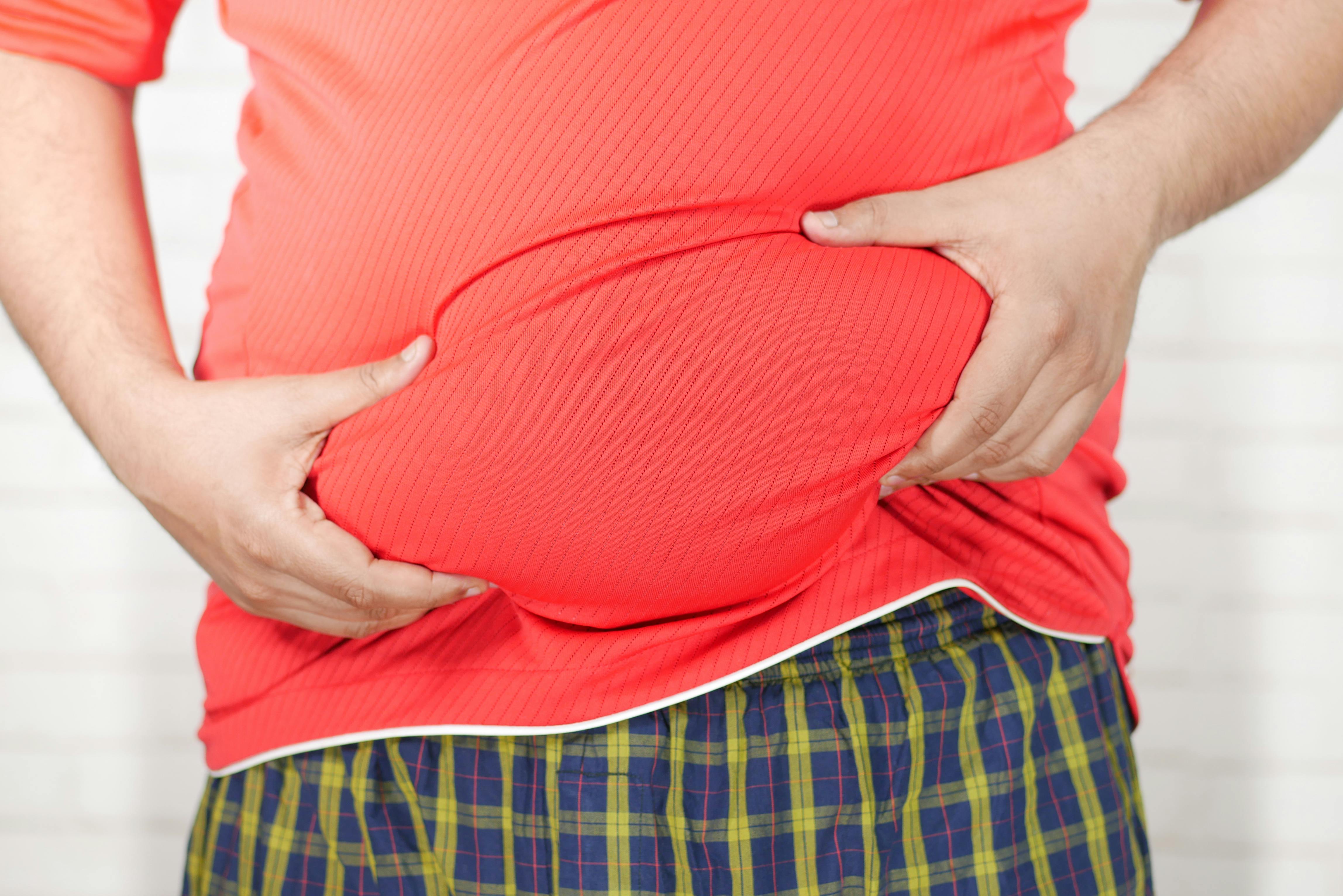
Bloating (پیٹ پھولنا), known in English as a bloated stomach or feeling bloated, and medically as abdominal bloating or abdominal distension, is a symptom of trapped gas, fluid, or food in the gut, often combined with weak abdominal wall muscles or hypersensitive nerves. (Common Roman-Urdu spellings: pait phoolna, pet phoolna, pait ka phoolna, pait mein gas, pet mein gas. Related English terms: abdominal distension, flatulence and bloating, excessive bowel gas.) Bloating is the sensation. Distension is the visible swelling. They go together in most patients, but not all.

Approach to treating bloating and indigestion. © Getty Images
Direct answer. For mild evening bloating: 15 to 20 minute walk after the meal, saunf ya peppermint ka kahwa lein, fizzy drinks band karein, chewing gum se bachein. Most bloating that fits this pattern eases within a few hours. Persistent daily bloating beyond 2 weeks, bloating with weight loss, blood in stool, vomiting, or abdominal swelling that does not go down by morning needs a doctor.
Quick takeaways
- Bloating in Urdu is pait phoolna or pait mein gas; medically, abdominal distension.
- Sab se aam Karachi wajuhat: swallowed air, lactose intolerance, IBS, H. pylori, qabz, SIBO.
- Fori ilaj: 15 to 20 minute walk, saunf ya peppermint kahwa.
- Red flags: persistent bloating with weight loss, blood, vomiting, or swelling that stays overnight.
- Women’s bloating is often hormonal but ovarian causes must be ruled out, not assumed.
For clinic-based bloating treatment in Karachi, see our belly gas & gas relief guide.
Bloating ka matlab Urdu mein kya hai?
Bloating in Urdu is pait phoolna (پیٹ پھولنا) or pait mein gas (پیٹ میں گیس). The English medical terms are abdominal bloating and abdominal distension. Doctors often split the two. Bloating is the feeling of fullness or tightness. Distension is the visible swelling you can see in the mirror. Both can be present together. Most patients use the words interchangeably.
Bloating meaning pait phoolna or tightness around the stomach. © Getty Images
Variants like (pet phoolna, pait ka phoolna, bloated stomach, feeling bloated, stomach bloating, bloating in stomach) all describe the same thing. The “excessive bowel gas meaning” search is just another way patients ask “why does my stomach feel so full of gas?” The answer is the same: somewhere along the 9-metre stretch from mouth to anus, gas is being produced or trapped faster than it can leave.
Pait phoolne ki sab se aam wajuhat kya hain?
In Karachi specifically, the same handful of causes turn up again and again.
1. Aerophagia (swallowed air). Eating quickly, talking while eating, drinking fizzy drinks, chewing gum, and smoking shisha all push extra air into the gut.
2. Lactose intolerance. South Asian populations have lactase non-persistence rates above 60 to 70% in published studies. Many Karachi patients tolerate small amounts of dahi without trouble but bloat heavily after a big glass of milk or full-cream chai. The bloat usually starts 30 minutes to 2 hours after the dairy.
3. Irritable bowel syndrome (IBS). Chronic bloating with abdominal pain and stool changes, worse with stress, often worse during the working week. The bloat is real but the gut nerve sensitivity is set too high. The World Gastroenterology Organisation lists bloating as a core IBS symptom. See our IBS treatment page for the full workup.
4. H. pylori infection. Helicobacter pylori prevalence in Pakistani adults runs roughly 50 to 80% across published Pakistani cohorts. H. pylori-related gastritis often presents with bloating, upper-abdominal fullness, and early satiety more than with classic burning pain.

Microscopic visualization of H. pylori bacteria in the stomach. © Unsplash
5. Constipation (qabz). A colon full of stool is a colon that holds gas. Low-fibre diets, the kind built around white roti, white chawal, and not enough sabzi or fruit, are the everyday culprit. See qabz ka ilaj for the dietary fixes, medicines, and when to see a doctor.
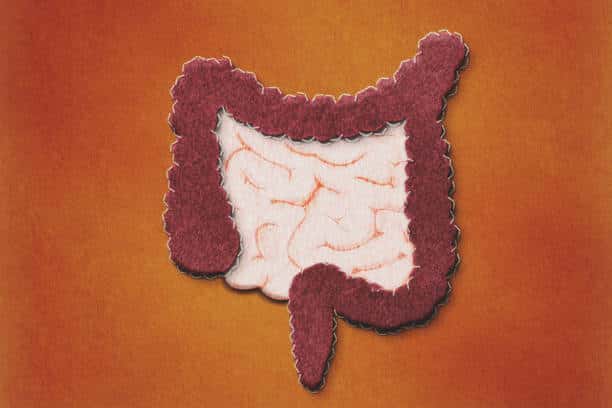
Constipation may cause bloating. © Getty Images
6. Small intestinal bacterial overgrowth (SIBO). When bacteria that belong in the colon start growing further upstream in the small intestine, fermentation moves to where it should not be. Symptoms: bloating that starts within an hour of eating, foul-smelling burps, sometimes loose motions. More common after repeated antibiotic courses or in patients with diabetes-related slow gut motility.
7. Hormonal and gynaecological causes (women). Premenstrual bloating is real and physiological, from progesterone-related fluid retention. Ovarian cysts, fibroids, and (uncommonly) ovarian cancer can cause persistent rather than cyclical bloating. Women over 40 with new persistent bloating need a pelvic ultrasound, not just a stool antigen test.
Bloating stomach symptoms: kya patients describe karte hain?
The same handful of descriptions come up in OPD. The pattern usually points to the cause faster than any test.
| Pattern (kaisa lagta hai) | Likely cause | First test |
|---|---|---|
| Tight, full belly that builds through the day, flat by morning | Aerophagia, IBS, functional bloating | Stool antigen for H. pylori |
| Bloats hard after milk, ice cream, full-cream chai | Lactose intolerance | Lactose breath test, or trial dairy elimination |
| Bloating with cramps and stool changes, stress-related | IBS | Rome IV criteria check, basic labs |
| Foul-smelling burps and bloating within an hour of eating | SIBO, H. pylori | Hydrogen breath test, stool antigen |
| Persistent swelling that does not go down overnight | Ascites, ovarian mass, obstruction | Abdominal ultrasound, same-week appointment |
| Bloating with weight loss, early satiety, family cancer history | Gastric or ovarian malignancy | Endoscopy or ultrasound, urgent |
Pait phoolne ka fori ilaj kya hai?
The four-step routine for mild bloating works for most patients within an hour.
First, walk for 15 to 20 minutes. Gentle walking activates intestinal motility and lets trapped gas move along the colon. This is the single most effective thing you can do in the first hour.
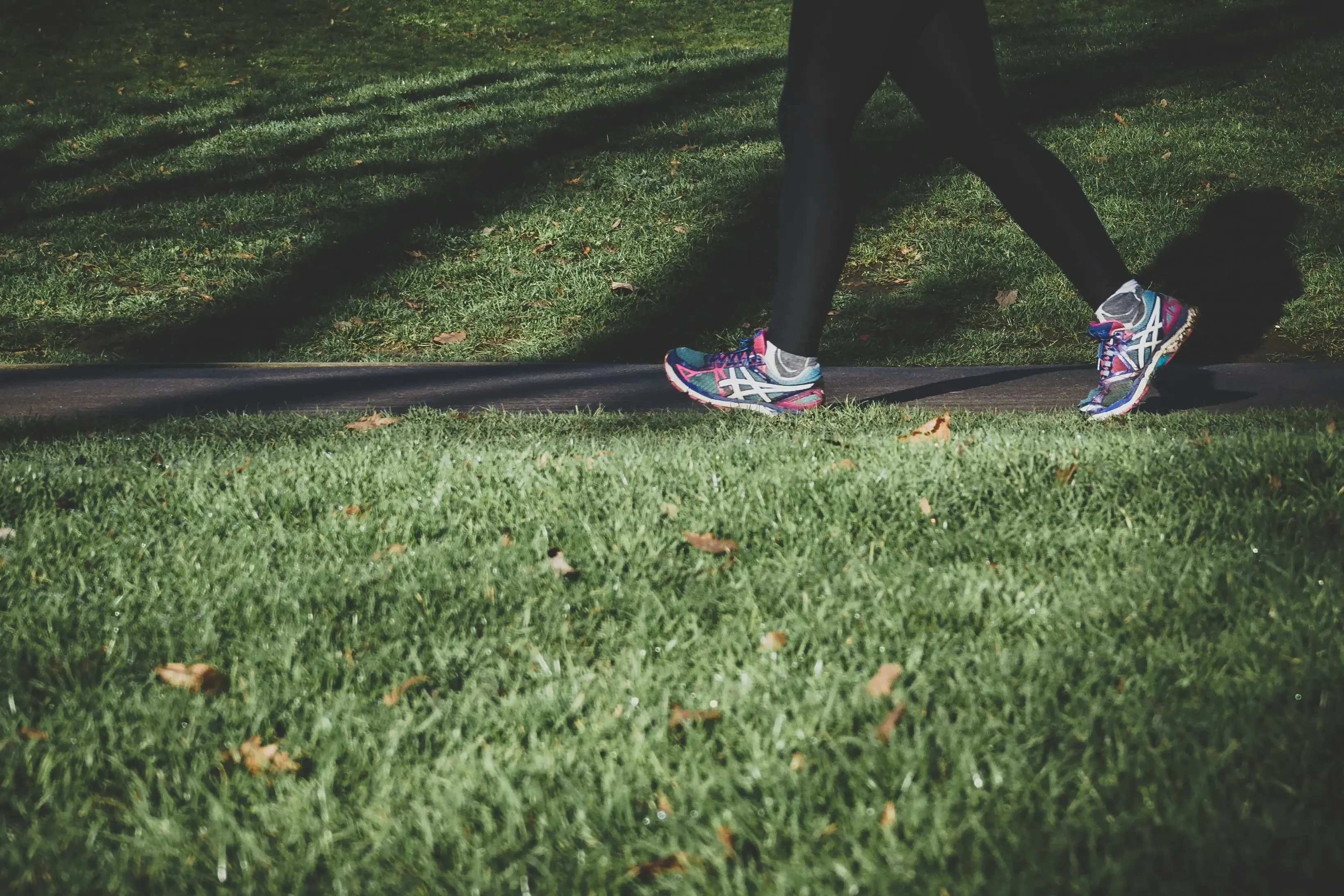
A light 10-15 minute walk after meals helps mechanical digestion and moves trapped gas through the digestive tract. © Unsplash
Second, sip warm water slowly. Half a glass over 10 minutes. Warm water relaxes intestinal smooth muscle. Ice-cold water sometimes tightens it.

Staying consistently hydrated with warm water prevents baseline constipation and bloating. © Unsplash
Third, saunf, ajwain, or peppermint tea. Half a teaspoon of crushed saunf or ajwain in a cup of hot water, sipped slowly, has mild antispasmodic activity from anethole and thymol respectively. Peppermint is recommended in the American College of Gastroenterology IBS guidance. Pudina kahwa is a weaker but useful home version.
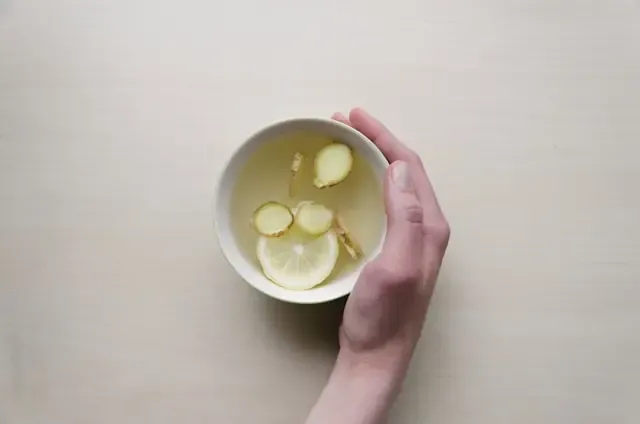
Ginger tea serves as a natural digestive stimulant to help ease stomach discomfort. © Unsplash
Fourth, sit upright or stand. Lying flat after a heavy meal lets gas pool in the upper abdomen and worsens the sensation. Sit straight or recline at about 45 degrees for the first 2 hours after eating.
What to avoid in the first hour: carbonated drinks, energy drinks, chewing gum, smoking, and large carbohydrate-heavy meals. Do not take over-the-counter painkillers for bloating pain. They do not help, and the non-steroidal class can worsen gastritis.
Kya bloating stomach tablets bina doctor ke leni chahiye?
Short-term, anti-gas tablets in the simethicone class break up gas bubbles in the gut and give 30 to 60 minutes of relief. They are safe in occasional use. They are not a treatment. They do not address why the gas keeps forming. Long-term, repeated antacid or anti-gas tablet use without a proper workup is not recommended.
For specific patient questions about bloating stomach medicine or stomach bloating tablets, I do not name medicines on this site. The right medicine depends on the cause.
Functional bloating is defined by the Rome IV criteria as recurrent bloating without features of irritable bowel syndrome, functional constipation, or functional diarrhoea, occurring on at least one day per week over the last three months, with onset at least six months before diagnosis.
Adapted from the Rome IV Criteria for Functional Bowel Disorders, Rome Foundation, 2016.
Causes of excessive gas in females and males
Both sexes share the everyday causes: aerophagia from fast eating and fizzy drinks, lactose intolerance, IBS, H. pylori, low-fibre diet, and constipation.
The differences come in. Women have a layer of hormonal bloating tied to the menstrual cycle. Premenstrual bloating from progesterone shifts is normal and predictable. Polycystic ovary syndrome, fibroids, and ovarian cysts can all cause bloating that is not cyclical. In women over 40 with new persistent bloating, early satiety, and any weight loss, an ovarian ultrasound moves to the front of the workup.
Men more often present with bloating from beer, heavy red-meat meals, smoking, and untreated H. pylori. Inguinal hernias can mimic lower-abdominal bloating.
Doctor kab dikhana hai? Red flags
Most bloating sorts itself out within a few hours and does not need a doctor. Some patterns do.
Seek same-day evaluation if you have: severe abdominal swelling that came on quickly, abdominal pain with vomiting that will not stop, blood in vomit or stool, black tarry stools, fever above 39°C with a tense abdomen, yellowing of the skin or eyes, or a swollen abdomen with shortness of breath. These are not normal companions of bloating and need emergency care.
Outside emergencies, book a gastroenterology appointment if any of the following apply: bloating on most days for more than 2 to 3 weeks despite home measures, bloating with unintentional weight loss, bloating with early satiety (feeling full after only a few bites), a persistent change in bowel habit, bloating in a woman over 40 that does not go down overnight, bloating with a family history of stomach, colon, or ovarian cancer, or symptoms in a child lasting more than a week.
Khane mein kya parhez karna hai?
For most patients with functional bloating, a simple set of dietary swaps cuts symptoms within 2 weeks.
Reduce or avoid: carbonated drinks, energy drinks, beer, full-cream chai if you suspect lactose intolerance, large karahi or biryani portions in one sitting, heavy late dinners, chewing gum, refined sugar in large amounts, and (for FODMAP-sensitive patients) onions, garlic in large quantities, wheat in excess, beans, cauliflower, and cabbage.
Keep or favour: smaller meals five times a day, daal khichdi, sabzi, banana, papaya, plain dahi with live cultures, boiled chawal, oats, ginger, saunf, peppermint, plenty of water, and a 15-minute walk after lunch and dinner.
During Ramadan, the same applies after iftar. The combination of a heavy fried iftar, sweet rooh-afza, and immediate lying down for taraweeh is a setup for evening bloating. Spreading the meal across iftar, between maghrib and isha, and a small sehri usually solves it.
Aksar puchhe jaane wale sawaalat (FAQs)
What is bloating meaning in Urdu? Bloating in Urdu is called pait phoolna (پیٹ پھولنا) or pait mein gas (پیٹ میں گیس). The English medical term is abdominal bloating or abdominal distension. It refers to the feeling of a swollen, tight, or full belly, sometimes with visible swelling of the abdomen.
What relieves bloating fast? A 15 to 20 minute walk after the meal, sipping warm water, and peppermint or saunf tea relieve mild bloating within an hour for most patients. Lying flat makes it worse. Carbonated drinks, chewing gum, and large meals worsen it. If bloating persists for days, the cause needs investigating.
Why am I so bloated I look pregnant? End-of-day bloating that makes the abdomen look pregnant is usually trapped gas with weak abdominal muscles, fluid retention, or aerophagia. In women over 40 with persistent rather than evening-only swelling, ovarian causes and ascites must be ruled out before settling on a functional diagnosis.
Can excessive gas be a sign of cancer? Rarely, but yes. Persistent bloating that worsens over weeks, especially with weight loss, early satiety, or visible distension that does not vary through the day, can be an early sign of stomach, colon, or ovarian cancer. This is why I do not dismiss bloating older than 3 weeks without a proper examination.
What does excessive bowel gas shadow mean on X-ray? An “excessive bowel gas shadow” on an abdominal X-ray means more air than expected is visible in the intestines. In adults it usually points to functional gas, constipation, or aerophagia. Combined with abdominal pain, vomiting, or absent bowel sounds, it can suggest intestinal obstruction or ileus, which is a same-day evaluation.
Are there bloating stomach tablets I can buy without a prescription? While over-the-counter anti-gas options are widely available, no medication should be taken without first consulting a doctor. These tablets only offer temporary, short-term relief by breaking up existing gas bubbles, but they do absolutely nothing to treat the root cause of your symptoms. Masking the discomfort with self-medication without a proper medical evaluation to test for underlying conditions like an H. pylori infection, lactose intolerance, or SIBO means the bloating will continue to return and could leave a more serious issue untreated. Always seek professional medical advice before starting any new treatment.
Causes of excessive gas in females vs males? Most causes overlap: aerophagia, lactose intolerance, IBS, H. pylori, low-fibre diets. Female-specific causes include hormonal bloating around the menstrual cycle, ovarian cysts, and uncommonly ovarian cancer. Men more often present with bloating from beer, smoking, and untreated H. pylori. The workup is similar; the index of suspicion shifts by age and history.
Karachi mein appointment
This article is for general information only. It is not a substitute for personalised medical advice, diagnosis, or treatment. If you have symptoms that worry you, especially blood in vomit or stool, severe pain, persistent vomiting, jaundice, unexplained weight loss, or trouble swallowing, see a doctor or visit an emergency department promptly.
Dr. Ali Taj consults at Ziauddin Hospital (Clifton), Hill Park General Hospital, Life Care Consultant Clinics, and Usman Memorial Hospital. To book an appointment, visit the consultation schedule page or contact the clinic. For overlapping symptom patterns, see our pages on pait mein gas, pait ki gas ka fori ilaj, badhazmi in English, diarrhea treatment, IBS treatment and diet, IBS in Urdu, pait dard ka ilaj, and qabz ka ilaj.