
Gastroenterology
Celiac Disease Treatment in Karachi
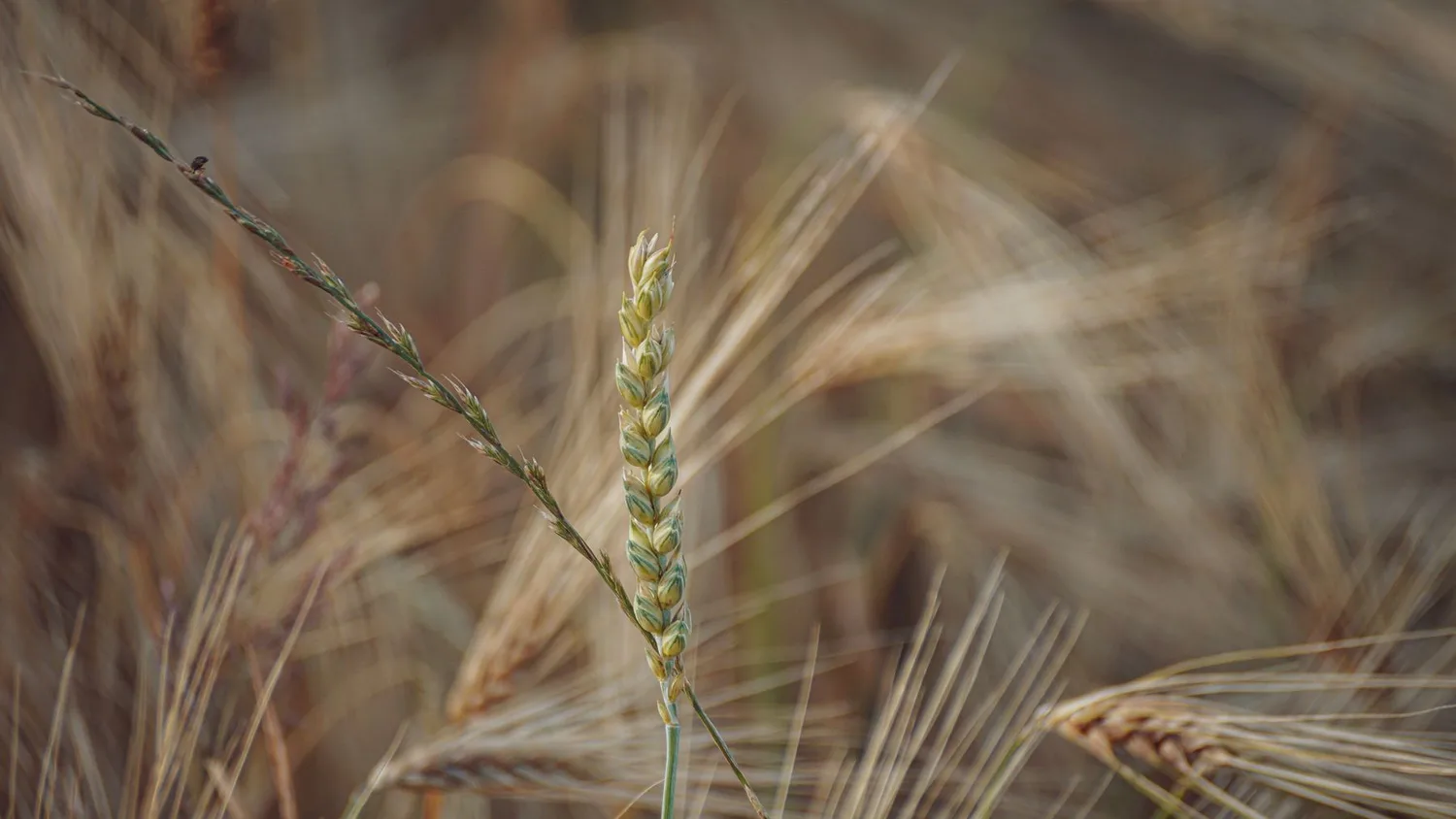
Celiac disease is an autoimmune condition in which gluten, the protein in wheat, barley and rye, damages the lining of the small intestine. In Karachi, where wheat roti, naan and paratha are eaten at almost every meal, it is often missed for years and labelled as weak digestion, IBS or simple kamzori.
What celiac disease does to the body
In celiac disease the immune system reacts to gluten and inflames the small intestine. Over time the finger like villi that absorb food flatten, so the body cannot take in nutrients properly. This is why celiac disease is one of the main causes of malabsorption .
It is not the same as wheat allergy, which is an allergic reaction, or IBS, which causes symptoms without damaging the gut lining. Some people feel better avoiding wheat without having celiac disease, but that can only be sorted out after proper testing.
Symptoms that can point to celiac disease
Celiac disease does not always cause stomach symptoms. Adults may notice:
- Long standing diarrhoea, loose or greasy stools, or alternating diarrhoea and constipation
- Bloating, gas (pait phoolna) and abdominal discomfort after meals
- Weight loss without trying, or difficulty gaining weight
- Iron deficiency anaemia that keeps coming back or does not improve with iron
- Tiredness, mouth ulcers, or low vitamin D or B12
- An itchy, blistering skin rash (dermatitis herpetiformis)
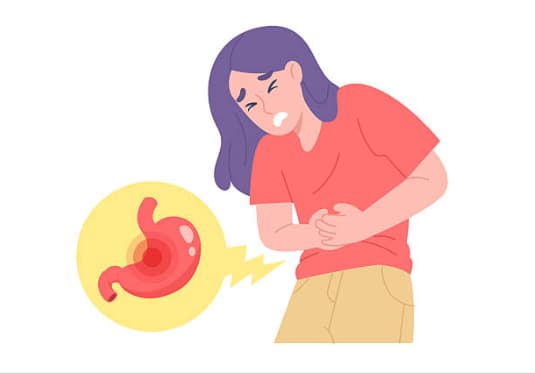
Abdominal pain or blaoting may be a cause of the celiac disease.
In children it can show up as poor growth, a swollen tummy or irritability. Guidelines recommend testing people with persistent unexplained gut symptoms, unexplained anaemia or weight loss, prolonged fatigue, and close relatives of someone already diagnosed. NICE NG20
How celiac disease is diagnosed
Diagnosis usually happens in two steps, both while you are still eating gluten.
| Step | What it involves | What it tells you |
|---|---|---|
| Blood test | Antibody test, most often tissue transglutaminase (tTG-IgA), usually with a total IgA level | Whether celiac disease is likely |
| Upper endoscopy with biopsies | A thin camera passed through the mouth to the duodenum; several tiny samples taken | Whether the intestinal lining shows celiac damage |
The American College of Gastroenterology’s 2023 guideline recommends confirming the diagnosis with an upper endoscopy and intestinal biopsies in most patients, rather than relying on blood tests alone. The biopsy itself is painless; you can read what the procedure feels like in our endoscopy guide.
Which doctor treats celiac disease?
A gastroenterologist (maide aur aanton ka mahir doctor) is the right specialist. Celiac disease needs someone who can interpret the antibody results, perform the endoscopy and biopsies, rule out other causes of the same symptoms, and follow you over years. A nutritionist experienced in gluten-free eating is an important part of the team after diagnosis.
Bring these to your first appointment if you have them:
- Any previous blood reports, especially haemoglobin, iron, vitamin D, B12 and celiac antibodies
- A list of what you eat in a typical day and whether you have already cut out wheat
- Previous endoscopy or biopsy reports
- Family history of celiac disease, thyroid disease or type 1 diabetes
Treatment: a strict gluten-free diet
There is no medicine that replaces the diet. Treatment means removing gluten completely and permanently, not just cutting down. Even small amounts can keep the intestine inflamed.The following items are to be avoided,
- Wheat in all forms: roti, chapati, naan, paratha, puri, sooji, maida, dalia, bread, pasta, biscuits, cake and most bakery items
- Barley (jau) and rye
- Hidden gluten in packaged spice mixes, soy sauce, some sauces and coated snacks
Naturally glutenfree staples include rice, corn (makai), jowar, bajra, potatoes, lentils, chickpea flour (besan), meat, eggs, milk, fruit and vegetables. Cross-contamination matters: a tawa or flour container shared with wheat can be enough to cause problems, so many families keep separate utensils.
Oats are often contaminated with wheat during processing. Whether they suit you should be discussed with your doctor or dietitian.
Follow-up after diagnosis
Celiac disease needs long-term monitoring, not a single visit. Follow-up usually checks:
- Whether symptoms have settled on the diet
- Antibody levels, which should fall as the gut heals
- Haemoglobin, iron, vitamin and bone health, depending on your results
- Whether gluten is still getting in by mistake
The ACG guideline describes intestinal healing as the goal of treatment and recommends goal-directed follow-up with an experienced dietitian involved. ACG 2023 If symptoms continue despite a careful diet, the doctor will look for hidden gluten first and then for other conditions that can coexist, such as IBS or lactose intolerance.
When to seek care sooner
See a doctor promptly if you have weight loss you cannot explain, persistent diarrhoea, blood in the stool, black stools, trouble swallowing, or anaemia that does not respond to treatment. These symptoms need assessment whether or not celiac disease turns out to be the cause. Read more about black or bloody stool.
Seeing Dr. Ali Taj in Karachi
Dr. Muhammad Ali Taj is a consultant gastroenterologist and hepatologist with 28+ years of practice and more than 14,000 endoscopic procedures, including gastroscopy. He practises at:
- Ziauddin Hospital, Clifton
- Hill Park General Hospital
- Lyfe Healthcare
- Life Care Consultant Clinics
- Usman Memorial Hospital
You can read about his qualifications on the about page. If your symptoms overlap with IBS, our IBS treatment guide explains how the two are told apart.
Frequently asked questions
Should I stop eating roti before my celiac test?
No. Keep eating gluten, including wheat roti, until your blood test and any endoscopy are complete. Stopping gluten early can make the tests look normal even when celiac disease is present.
Is a positive blood test enough to diagnose celiac disease?
Usually not. Antibody blood tests are a screening step. Most adults need an upper endoscopy with several small biopsies from the duodenum to confirm the diagnosis.
Is celiac disease the same as wheat allergy or IBS?
No. Celiac disease is an autoimmune condition that damages the small intestine. Wheat allergy is an allergic reaction, and IBS does not damage the gut lining. The tests and long-term plans are different.
Can celiac disease be cured?
There is no cure, but a strict, lifelong gluten-free diet lets the intestine heal in most people. Regular follow-up checks that the diet is working and that nutrient levels recover.
Should my family members be tested?
First-degree relatives (parents, brothers, sisters and children) of someone with celiac disease have a higher risk. Discuss testing with your doctor even if they have no symptoms.
This article is general health information and does not replace an individual assessment or treatment plan from your doctor.
To arrange a consultation, see clinic timings and locations.