
Diagnostic Procedures
Endoscopy Procedure in Karachi - Complete Guide by Expert Gastroenterologist
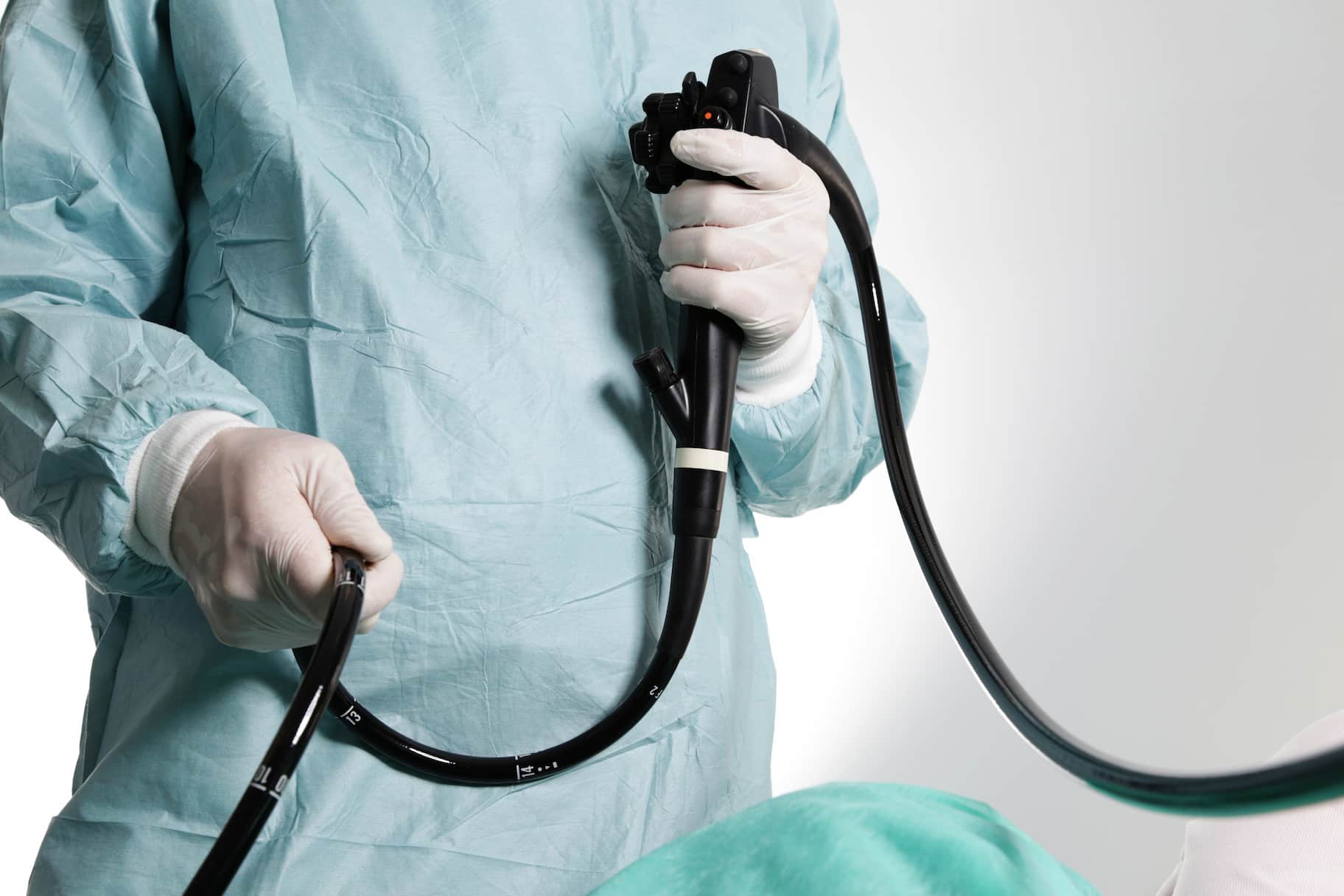
What is an Endoscopy Procedure?
An endoscopy is a minimally invasive medical procedure that allows doctors to examine the inside of your digestive tract using a flexible tube called an endoscope. This tube has a tiny camera and light at its tip, providing real-time images of your internal organs.
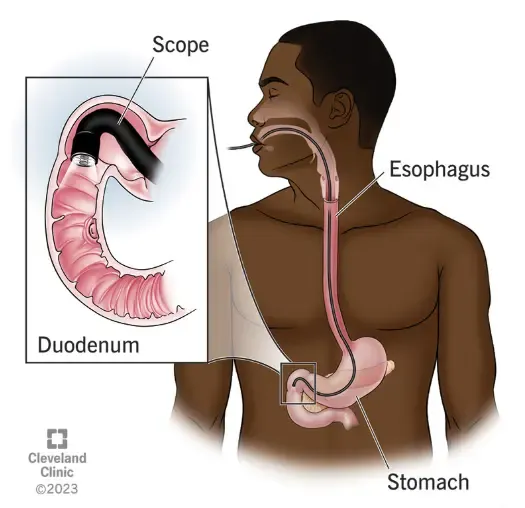
An endoscopy procedure utilizes a flexible tube with a high-definition camera to directly examine the lining of the digestive tract. © Cleveland Clinic
What Diseases Can Be Detected by an Endoscopy?
Endoscopy is a powerful diagnostic tool that can detect numerous conditions:
Upper GI Conditions
- Stomach ulcers (“maida ke zakham”)
- Gastritis (stomach inflammation)
- GERD (acid reflux disease)
- Esophageal varices
- Barrett’s esophagus
- Stomach cancer
- H. pylori infection
Additional Diagnoses
- Celiac disease
- Inflammatory conditions
- Internal bleeding sources
- Polyps and tumors
- Swallowing disorders
- Unexplained weight loss causes
Is Endoscopy Painful?
One of the most common concerns patients have is: “Is endoscopy painful?” The good news is that modern endoscopy techniques prioritize patient comfort.
Pain Management During Endoscopy
- Most patients receive conscious anesthesia
- Local throat spray numbs the area
- The procedure causes mild discomfort, not pain
- Recovery is typically quick and comfortable
Endoscopy Procedure Steps
Understanding the procedure steps helps reduce anxiety. Here’s what to expect:
Before the Procedure
- Fasting: No food or drink for 8-12 hours
- Medical history review: Discuss medications and allergies
- Consent form: Understanding risks and benefits
- IV line placement: For sedation administration
During the Procedure
- Positioning: Lying on your left side
- Mouth guard placement: Protects teeth and endoscope
- Sedation administration: Helps you relax
- Endoscope insertion: Gentle introduction through mouth
- Examination: Doctor examines digestive tract
- Biopsy if needed: Small tissue samples may be taken
- Procedure completion: Usually takes 15-30 minutes
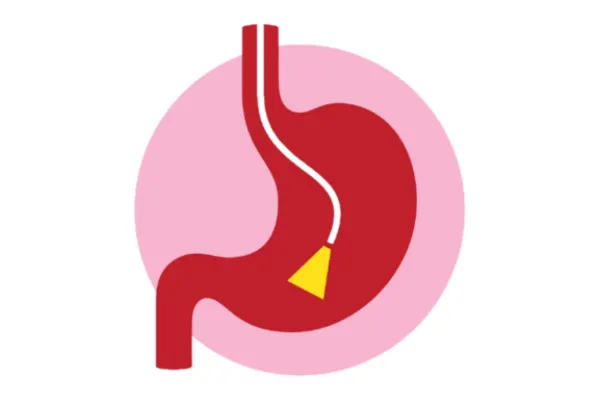
Illustration of an upper endoscopy procedure inspecting the esophagus and stomach. © Unsplash
After the Procedure
- Recovery room monitoring: 30-60 minutes
- Gradual awakening: As sedation wears off
- Doctor discussion: Initial findings shared
- Discharge instructions: Diet and activity guidelines
Is Endoscopy Dangerous?
Safety Measures
Dr. Taj follows strict safety protocols:
- Sterile equipment usage
- Careful patient monitoring
- Appropriate sedation dosing
- Emergency preparedness
With over 13,500 procedures performed, Dr. Taj maintains an excellent safety record.
What Does an Endoscopy Test For?
An endoscopy tests for various abnormalities in the digestive system:
Visual Examination
- Inflammation or redness
- Ulcers or erosions
- Abnormal growths
- Bleeding sources
- Structural abnormalities
Tissue Sampling
- Biopsy for cancer screening
- H. pylori testing
- Celiac disease confirmation
- Inflammatory markers
Therapeutic Interventions
- Polyp removal
- Bleeding control
- Stricture dilation
- Foreign body removal
Endoscopy Cost in Karachi
The cost of endoscopy in Karachi varies based on several factors:
Cost Factors
- Type of endoscopy (diagnostic vs. therapeutic)
- Hospital or clinic location
- Sedation requirements
- Additional procedures (biopsy, polypectomy)
- Insurance coverage
Types of Endoscopy Procedures
Dr. Taj performs various types of endoscopic procedures:
Upper GI Endoscopy
Examines esophagus, stomach, and upper small intestine
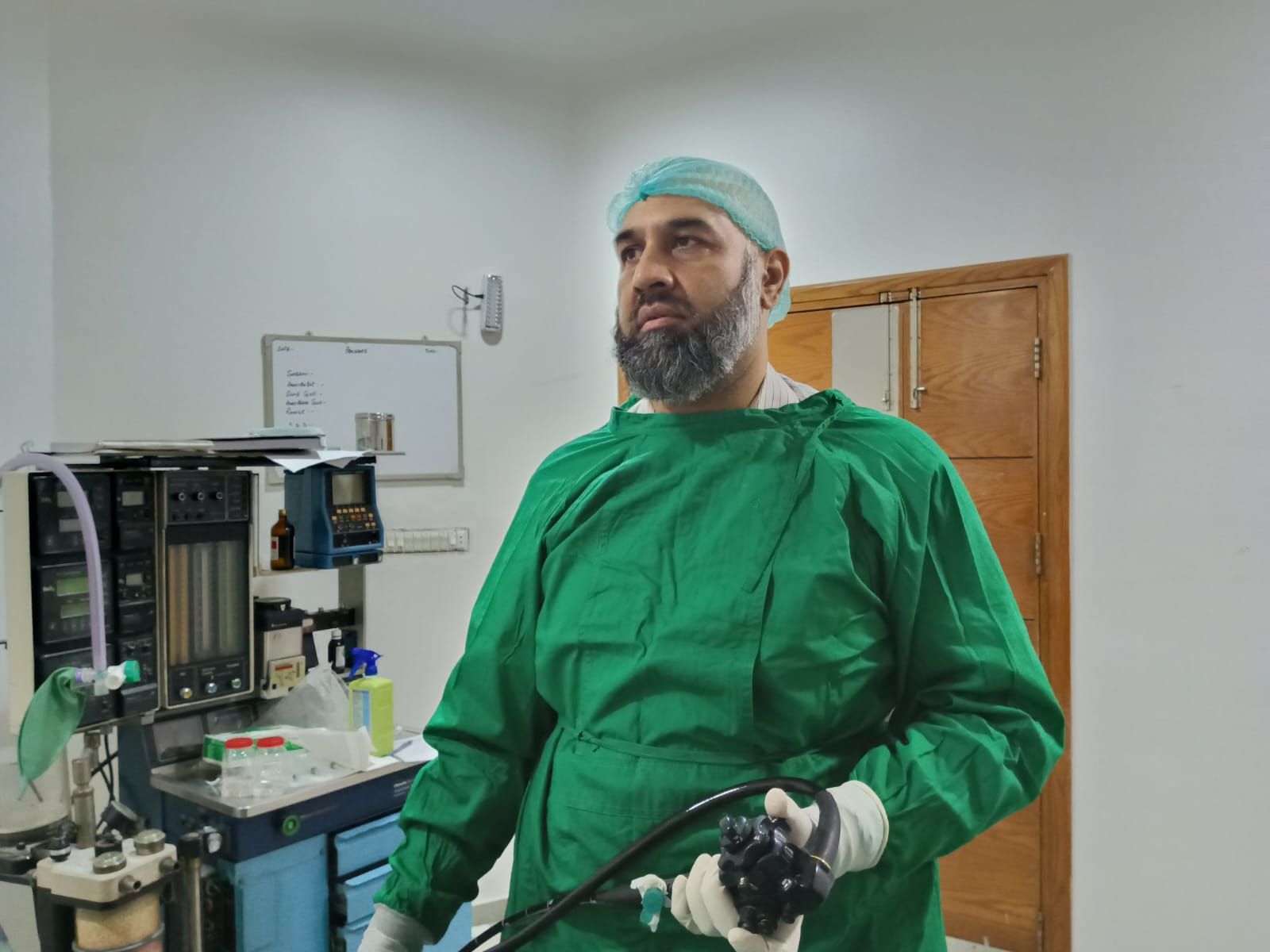
Dr. M. Ali Taj preparing advanced therapeutic tools for a precise endoscopic intervention. © Dr. M. Ali Taj
Colonoscopy
Examines the entire colon and rectum
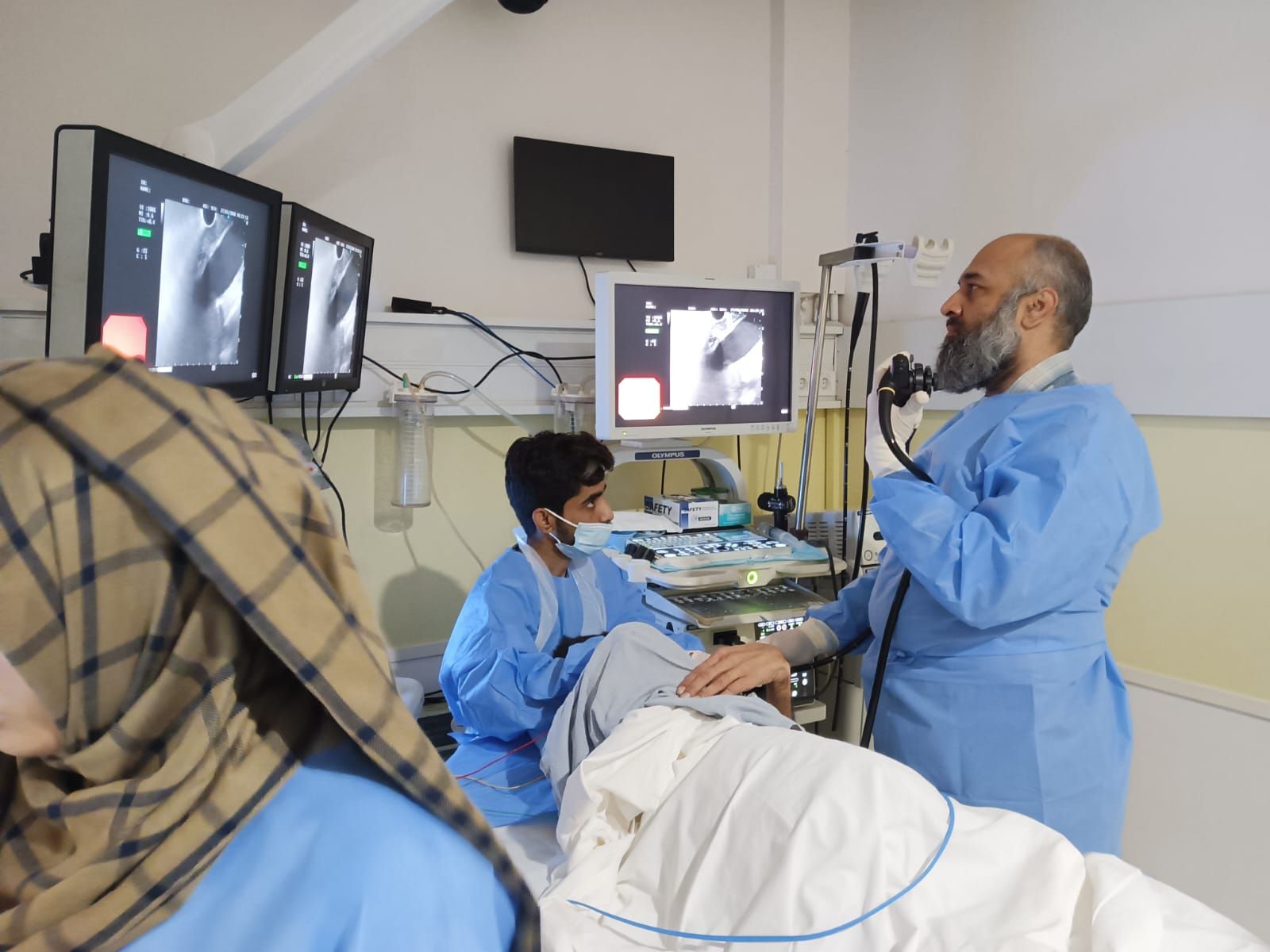
Advanced diagnostic monitoring during a specialized gastroenterological procedure. © Dr. M. Ali Taj
ERCP
Specialized procedure for bile ducts and pancreas
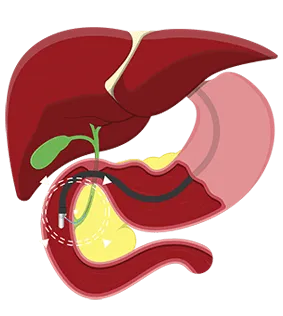
Endoscopic Retrograde Cholangiopancreatography (ERCP) tracking biliary and pancreatic ducts. © Dr. M. Ali Taj
EUS (Endoscopic Ultrasound)
Combines endoscopy with ultrasound imaging
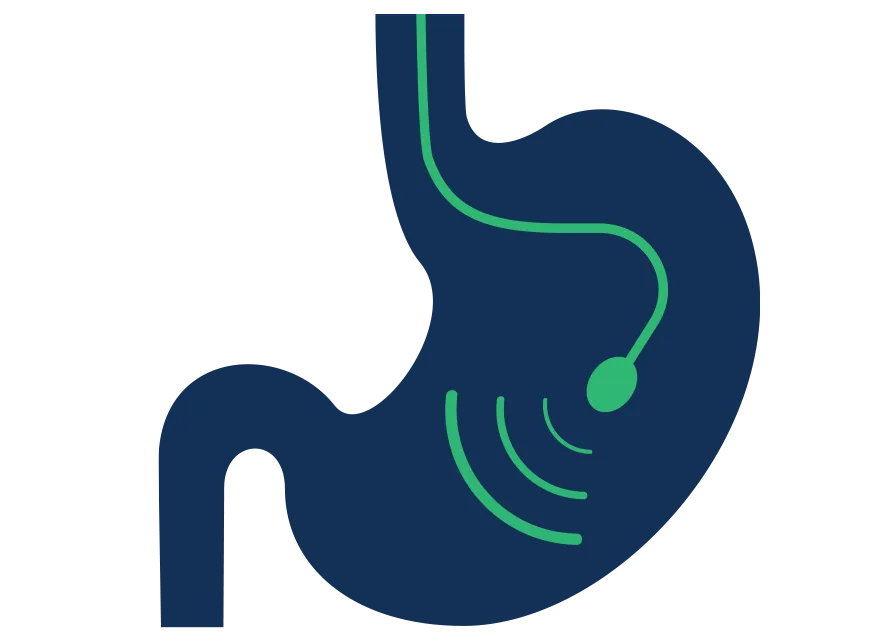
Endoscopic Ultrasound (EUS) capturing high-resolution internal images of the digestive tract layers. © Dr. M. Ali Taj
Preparing for Your Endoscopy
Proper preparation ensures accurate results:
One Week Before
- Inform doctor about all medications
- Discuss blood thinners with your physician
- Arrange transportation for procedure day
Day Before
- Follow fasting instructions carefully
- Clear liquids only if instructed
- Get adequate rest
Procedure Day
- Wear comfortable clothing
- Remove jewelry and dentures
- Arrive with empty stomach
- Bring a companion for transportation
Recovery and Aftercare
Post-procedure care is important for optimal recovery:
Immediate Recovery
- Rest in recovery area
- Throat may feel sore
- Mild bloating is normal
- Wait for sedation to wear off
At Home
- Rest for remainder of day
- Start with soft foods
- Avoid driving for 24 hours
- Follow specific doctor instructions
When to Contact Your Doctor
Seek immediate medical attention if you experience:
- Severe abdominal pain
- Persistent bleeding
- High fever
- Difficulty swallowing
- Chest pain
- Severe nausea or vomiting
Frequently Asked Questions
How long does endoscopy take?
The procedure typically takes 5-20 minutes, though you should plan for 2-3 hours total including preparation and recovery.
Can I eat after endoscopy?
You can usually eat within a few hours after the procedure, starting with soft foods and clear liquids.
How often should endoscopy be done?
This depends on your condition and risk factors. Dr. Taj will recommend an appropriate screening schedule based on your individual needs.
Is there an age limit for endoscopy?
Endoscopy can be performed safely on patients of all ages when medically necessary.
Medical Disclaimer: The information provided in this article is for educational purposes only and is not intended to be a substitute for professional medical advice, diagnosis, or treatment. Always seek the advice of your physician or other qualified health provider with any questions you may have regarding a medical condition.