
Procedures
Pediatric Endoscopy in Pakistan: A Parent's Complete Guide (Is It Safe?)
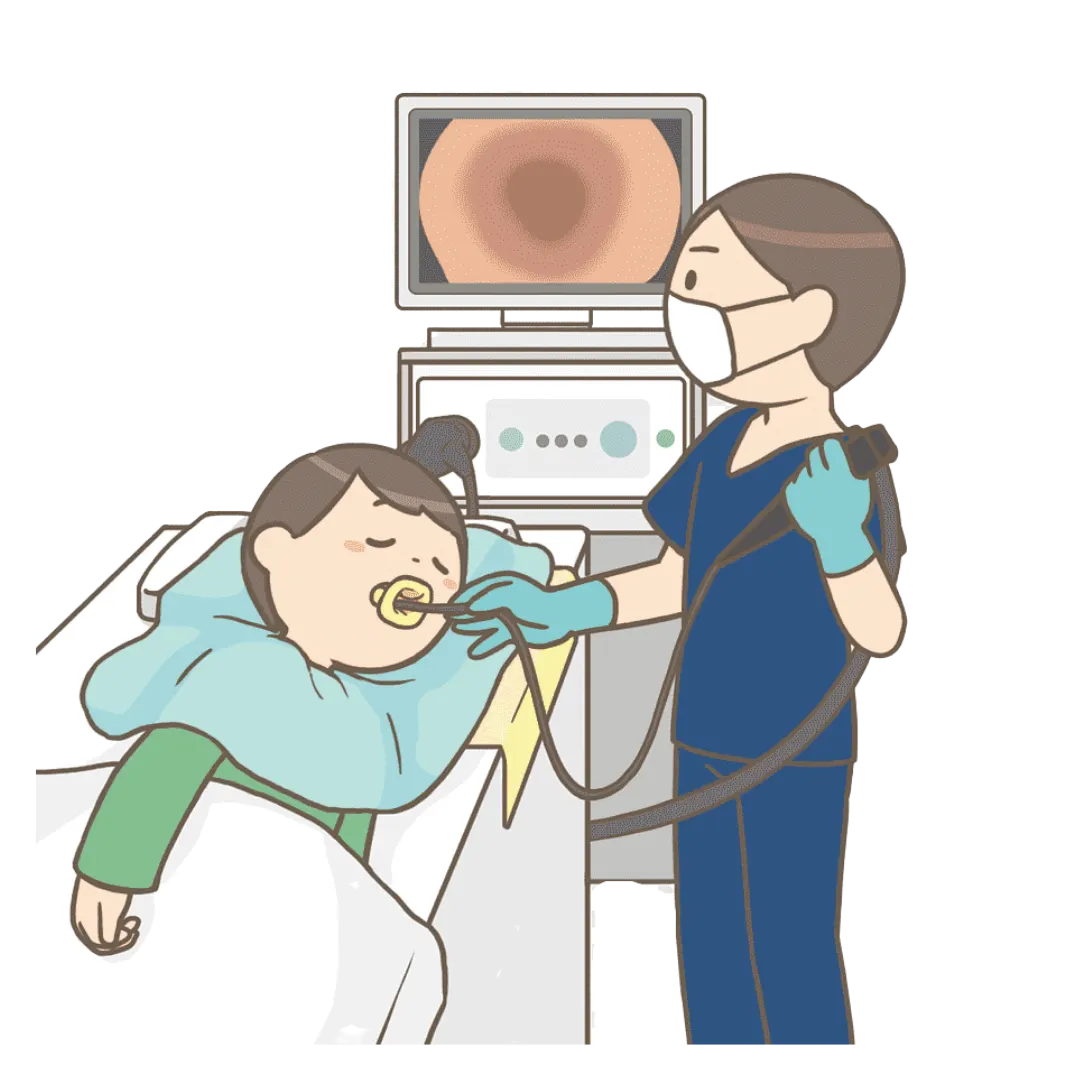
If your child’s doctor has recommended an endoscopy, your first question is almost certainly: Is this safe? The short answer is yes — in experienced hands, pediatric endoscopy is a very safe and commonly performed diagnostic procedure. But you deserve more than a one-line answer. This guide walks you through everything a parent needs to know before, during, and after the procedure.
Dr. Muhammad Ali Taj is a Consultant Gastroenterologist and Endoscopy Specialist with 28+ years of experience, having performed more than 14,000 procedures at hospitals across Karachi. He sees pediatric patients at Ziauddin Hospital (Clifton), Hill Park General Hospital (Bahadurabad), and Lyfe Healthcare (Bahadurabad).
Why Is Pediatric Endoscopy Different from Adult Endoscopy?
Children are not simply small adults. Their anatomy, anxiety levels, and tolerance for discomfort require a completely different approach:
- Smaller equipment: Pediatric endoscopes are narrower (5–8mm vs. 9–10mm for adults) and specifically designed for a child’s esophagus and stomach
- Sedation rather than simple topical anaesthesia: Most children under 12 require deeper sedation or general anaesthesia administered by a pediatric anaesthesiologist — this is planned, monitored, and safe
- Shorter procedure time: A straightforward upper endoscopy in a child takes 10–15 minutes
- Dedicated recovery monitoring: Children are observed more closely post-procedure for sedation effects
Common Reasons a Child Needs an Endoscopy
A pediatric gastroenterologist will recommend endoscopy when symptoms point to a structural or inflammatory problem in the digestive tract that cannot be diagnosed with blood tests or ultrasound alone:
- Persistent or recurrent abdominal pain
- Difficulty swallowing (dysphagia)
- Chronic vomiting or nausea not explained by other causes
- Blood in vomit or stool
- Unexplained iron-deficiency anemia
- Suspected celiac disease (gluten intolerance)
- Crohn’s disease or ulcerative colitis evaluation
- Growth failure or unexplained weight loss
- Foreign body ingestion (swallowed coins, button batteries)
- Chronic reflux (GERD) not responding to medication
Age-Specific Fasting Rules (NPO Guidelines)
Fasting before endoscopy is essential for safety — a child with food in the stomach can inhale it during sedation, which is dangerous. The fasting rules differ by age and what the child last consumed:
| What Was Consumed | Infants (0–12 months) | Toddlers (1–3 years) | Children (4 years+) |
|---|---|---|---|
| Breast milk | 4 hours | 4 hours | — |
| Formula / cow’s milk | 6 hours | 6 hours | 6 hours |
| Solid food / heavy meal | 6 hours | 6–8 hours | 8 hours |
| Clear liquids (water, diluted juice) | 2 hours | 2 hours | 2 hours |
Important: Clear liquids up to 2 hours before is usually permitted — this actually reduces fasting-related irritability in children. Confirm the exact cut-off times with Dr. Taj’s team when booking, as individual circumstances can vary.
Do not give any medications by mouth on the morning of the procedure unless the doctor has specifically cleared them.
Is Sedation Safe for Children?
This is the question parents ask most often. Sedation for pediatric endoscopy is very safe when administered by a trained anaesthesiologist with proper monitoring equipment. Here is what happens:
- Your child’s heart rate, oxygen level, blood pressure, and breathing are monitored continuously throughout
- The sedation dose is calculated precisely by body weight
- A pediatric anaesthesiologist (not just a nurse or technician) is present for the entire procedure
- Reversal agents are available if needed
- The dose used is typically lighter than general anaesthesia for surgery — most children are drowsy but breathing independently
The risk of serious sedation complications in a healthy child undergoing elective endoscopy is less than 1 in 10,000 in accredited settings. The risk of missing a serious diagnosis (celiac disease, Crohn’s, polyps) by avoiding the procedure is meaningfully higher for symptomatic children.
Preparing Your Child: What to Say and What to Bring
How you frame the procedure for your child matters enormously for their anxiety — and yours.
For younger children (under 6): Keep it simple and honest. “The doctor is going to look inside your tummy to find out why it hurts. You’ll get medicine to sleep, and when you wake up it will be over. Mamma/Baba will be right outside.”
For older children (6–12): Explain the camera (endoscope), mention the sedation will make them sleep, and reassure them they will not feel anything during the procedure. Avoid using words like “needle” or “pain” unprompted.
For teenagers: Be straightforward. They can handle the factual explanation and benefit from being included in the decision.
What to bring:
- Your child’s complete medical records and previous test results
- A list of all current medications (prescription and over-the-counter)
- A comfort item (stuffed toy, blanket) to reduce pre-procedure anxiety
- An extra change of clothes for your child
During the Procedure
Once your child is sedated, the procedure itself is quiet and quick:
- The endoscope (a thin, flexible tube with a camera at the tip) is passed gently through the mouth into the esophagus, then stomach, then first part of the small intestine
- The camera transmits live images to a screen — Dr. Taj examines the lining for inflammation, ulcers, erosions, or other abnormalities
- If needed, a tiny biopsy (tissue sample smaller than 2mm) can be taken painlessly while your child is sedated — the child feels nothing
- The scope is removed and your child is moved to recovery
The entire procedure, from sedation to completion, is usually 20–30 minutes.
Recovery: What to Expect Hour by Hour
Recovery from pediatric endoscopy is typically smooth, but sedation affects children differently than adults.
In the recovery room (30–60 minutes):
- Your child will be groggy, disoriented, or emotional when waking — this is normal
- Oxygen saturation and vitals are monitored until fully awake
- A nurse will offer small sips of water, then light food once the child is alert and the gag reflex has returned
At home (same day):
- Your child will likely be tired and may sleep for several hours — let them
- Mild throat soreness or bloating from air introduced during the procedure is common and resolves within a few hours
- Return to normal diet as tolerated; soft foods first if your child has throat discomfort
- No school or strenuous physical activity for the rest of the day
Following days:
- Most children return to full normal activity the next morning
- Biopsy results (if taken) typically take 5–7 business days — Dr. Taj’s team will call when results are available
When to Call the Doctor Immediately
While serious complications are rare, contact Dr. Taj’s emergency line or take your child to the nearest ER if they develop any of the following after discharge:
- Fever above 38.5°C (101.3°F)
- Vomiting blood or passing black/tarry stools
- Severe chest pain or difficulty breathing
- Severe abdominal pain (not mild cramping)
- Inability to swallow
- Extreme drowsiness that does not improve after several hours at home
These symptoms are uncommon but indicate a complication that needs immediate evaluation.
Understanding Your Child’s Results
Visual findings — redness, inflammation, ulcers — are reported immediately after the procedure. Dr. Taj will speak with you in the recovery area or a consultation room once your child is stable.
If biopsies were taken, the lab typically returns results within 5–7 days. Common biopsy findings in children include:
- H. pylori infection (treatable with antibiotics)
- Celiac disease (managed with a gluten-free diet)
- Eosinophilic esophagitis (treated with diet modification or steroid inhalers)
- Crohn’s disease (requires specialist management but very treatable)
A normal result (no abnormalities found) is also a useful outcome — it rules out structural causes and helps direct investigation toward functional or dietary causes.
Frequently Asked Questions
Will my child feel pain during the endoscopy? No. The procedure is performed under sedation, which means your child is asleep and feels nothing. Some children report mild throat soreness afterwards, similar to a sore throat from a cold, which resolves within a day.
Can I stay with my child during the procedure? Parents are usually allowed to stay until sedation takes effect. Once your child is asleep, you will wait in a designated family area. As soon as the procedure is complete and your child begins waking, you will be brought back in.
What is the cost of pediatric endoscopy in Karachi? Costs vary by hospital and whether a biopsy is taken. Contact Dr. Taj’s clinic directly at WhatsApp 0312-3803935 for a current fee estimate and to check insurance coverage.
How long before my child can eat after endoscopy? Clear liquids are usually offered 30–60 minutes after waking, once the gag reflex has returned. Most children tolerate a light meal within 1–2 hours of waking with no difficulty.
Is a general anaesthetic always needed? Not always. Older teenagers may tolerate the procedure with lighter sedation. Very young children (under 5) almost always need deeper sedation or general anaesthesia for safety. Dr. Taj’s team will determine the appropriate sedation level at the pre-procedure assessment.
My child is autistic / has developmental differences — is endoscopy still possible? Yes, but additional planning is required. Children with developmental differences often need a pre-procedure visit to familiarize them with the environment, and the anaesthesia team adapts the sedation approach accordingly. Inform Dr. Taj’s team in advance so proper arrangements can be made.
For questions or to schedule your child’s consultation, contact Dr. Taj directly on WhatsApp or call 0312-3803935.