
Gastroenterology
Chronic Constipation Treatment in Karachi

What is Chronic Constipation
Chronic constipation is constipation that keeps coming back or lasts for months: hard stools, straining, going less often than usual, or feeling that the bowel never fully empties.
Common causes of long-term constipation
Chronic constipation usually has more than one contributor:
- Low fibre and fluid intake, often with a diet heavy in white flour (maida), rice and meat
- Little physical activity, long sitting hours, and ignoring the urge to go
- Medicines such as some painkillers, iron supplements, some antacids and some antidepressants
- IBS with constipation (IBS-C), where pain and bloating come with the constipation
- Pelvic floor problems, where the muscles do not relax properly during a bowel movement
- Medical conditions such as an underactive thyroid, diabetes or high calcium
- Pregnancy and older age
Which doctor treats chronic constipation?
A gastroenterologist is the specialist for constipation and stomach issues.
A typical assessment includes:
- A detailed history: how often you go, stool form, straining, pain, diet, fluids and medicines
- Blood tests where appropriate, for example blood count, thyroid function or calcium
- A colonoscopy only when warning signs, age or family history call for it
Bring a short diary of your bowel habits for one to two weeks, a list of every medicine and supplement you take (including laxatives you have tried), and any previous reports.
Treatment options
Treatment starts with changes in the lifestyle and nutrition:
- Increase fibre gradually from fruit, vegetables, whole grains, lentils and seeds
- Drink enough water through the day

Staying consistently hydrated with warm water prevents baseline constipation and bloating. © Unsplash
- Walk or exercise regularly

A light 10-15 minute walk after meals helps mechanical digestion and moves trapped gas through the digestive tract. © Unsplash
-
Go at a regular time, give yourself enough time, and do not ignore the urge
-
Raise your feet on a small stool on a Western toilet so your knees are above your hips
Fibre supplements. The 2023 AGA-ACG guideline suggests a fibre supplement, and among those studied, only psyllium (known locally as ispaghol) showed clear benefit. It should be taken with enough water and increased slowly to limit bloating. AGA-ACG 2023
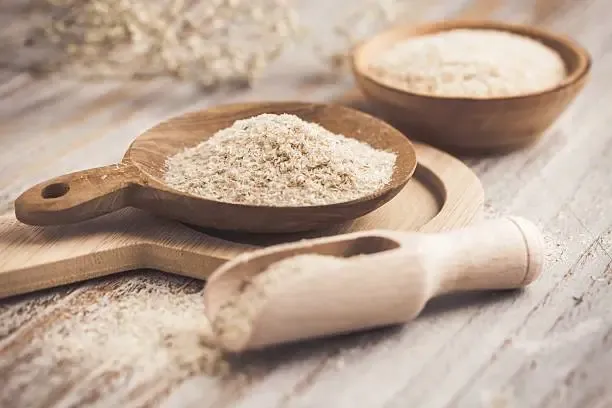
Psyllium husk (isabgol) absorbs water to ease transit, but it must be taken with plenty of fluids. Source: Unsplash
Laxatives and prescription treatments. The same guideline reviewed several medicine classes:
| Class | How it works | Guideline position |
|---|---|---|
| Osmotic laxatives | Draw water into the bowel to soften stool | Recommendation depends on condition |
| Stimulant laxatives | Make the bowel muscles contract | Recommended for short-term use |
| Secretagogues | Increase fluid secretion into the gut | Recommended when over the counter options have not worked |
| Serotonin (5-HT4) agonist | Speeds up bowel movement | Recommended when over the counter options have not worked |
NOTE : Kindly consult Dr Ali Taj or a medical consultant before using any medications. Which one is suitable depends on your symptoms and other conditions.
If you are looking for home remedies and quick relief, our Urdu guide on qabz ka ilaj covers those. This page is about what to do when constipation has become a long-term problem.
Constipation with pain and bloating ?
If constipation comes with cramping pain that eases after a bowel movement, or with a lot of bloating, IBS with constipation may be the diagnosis. Diet changes such as a supervised low-FODMAP diet can help some people. Read our IBS treatment guide and the low-FODMAP guide.
Warning signs: get checked promptly
Do not keep treating constipation at home if you notice:
- Blood in the stool
- Weight loss without trying or constant tiredness
- A new change in bowel habit especially after age 45 to 50
- Severe abdominal pain or a swollen, tight tummy
- Constipation with vomiting, or being unable to pass stool or gas at all
- A family history of bowel cancer or inflammatory bowel disease
Seeing Dr. Ali Taj in Karachi
Dr. Muhammad Ali Taj is a consultant gastroenterologist and hepatologist with 28+ years of practice and more than 14,000 endoscopic procedures, including colonoscopies. He practises at:
- Ziauddin Hospital, Clifton
- Hill Park General Hospital
- Lyfe Healthcare
- Life Care Consultant Clinics
- Usman Memorial Hospital
His qualifications are on the about page. If a colonoscopy is recommended, the colonoscopy guide explains what to expect.
Frequently asked questions
When is constipation considered chronic?
Constipation is usually called chronic when you have hard infrequent or difficult bowel movements. Sometimes there can be a feeling of incomplete emptying, continue for several months. Your doctor will ask about how often you go and how it feels, not just the number of days.
Do I need a colonoscopy for constipation?
A colonoscopy is considered when there are warning signs such as bleeding, weight loss, anaemia, a new change in bowel habit later in life, or a family history of bowel cancer.
Is it safe to take laxatives every day?
Some laxative types are suitable for longer-term use under medical guidance, while stimulant laxatives are generally recommended for short term or rescue use. Ask your doctor which type suits you rather than choosing on your own.
Can constipation be caused by IBS?
Yes, IBS with constipation (IBS-C) causes constipation with abdominal pain or bloating. It is managed a little differently from constipation without pain, which is why a proper assessment helps.
Does ispaghol help with constipation?
A 2023 AGA-ACG guideline found that psyllium (ispaghol) was the fibre supplement with the best evidence for chronic constipation. Increase it gradually and drink enough water with it.
This article is general health information and does not replace an individual assessment or treatment plan from your doctor.
To arrange a consultation, see clinic timings and locations.