
Gastroenterology
Crohn's Disease Treatment Karachi | Best Gastroenterologist Dr. Ali Taj
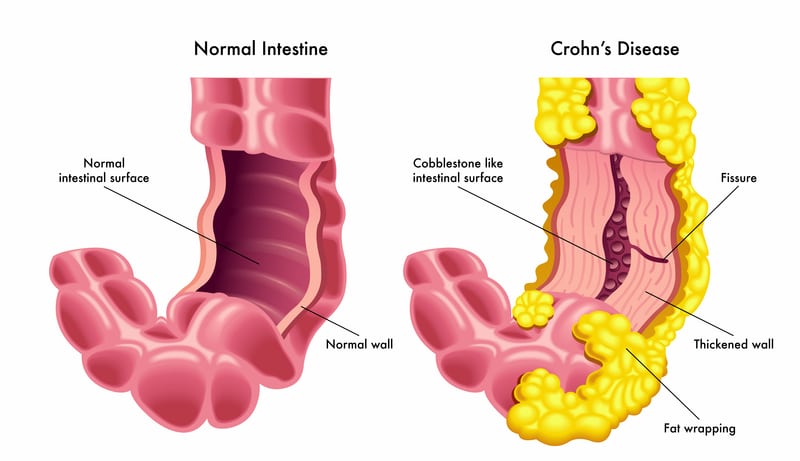
What is Crohn’s Disease?
Crohn’s disease is a chronic inflammatory bowel disease (IBD) that causes inflammation anywhere in the digestive tract, from mouth to anus. This autoimmune condition affects the full thickness of the bowel wall and can cause serious complications if left untreated. Unlike ulcerative colitis, Crohn’s disease can affect any part of the gastrointestinal tract with healthy tissue between inflamed areas.
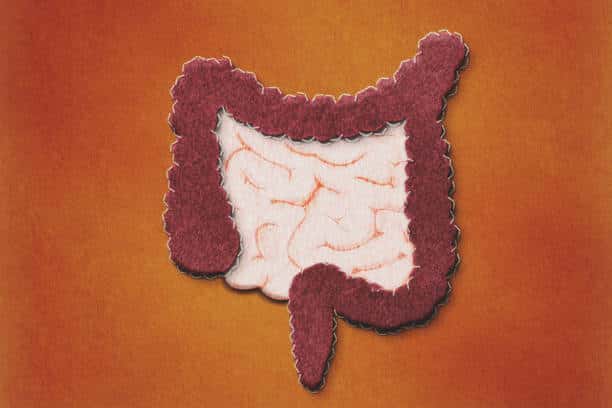
Crohn's disease pathologically impacts both the small and large intestines. © Getty Images
Crohn’s disease and it’s types
Crohn’s disease is a highly unique condition because it can develop anywhere along your gastrointestinal (GI) tract, spanning all the way from the mouth to the anus. It is also quite common for inflammation to appear in multiple, separate patches of the digestive system simultaneously. Because its path varies so much from person to person, healthcare providers classify Crohn’s disease into specific types based on exactly where the swelling and irritation occur.
The primary types of Crohn’s disease include:
-
Ileocolitis: This is the most common form of the disease. It specifically impacts the lower portion of the small intestine (known as the ileum) and parts of the large intestine (the colon).
-
Crohn’s Colitis: This variation is strictly confined to the large intestine (colon) alone, leaving the small intestine unaffected.
-
Ileitis: This type narrows its impact entirely to the ileum, which is the final section of the small intestine.
-
Gastroduodenal Crohn’s Disease: This form causes inflammation and irritation in the stomach and the very beginning of the small intestine (the duodenum).
-
Jejunoileitis: This variation creates scattered, patchy areas of swelling and inflammation throughout the upper half of the small intestine (the jejunum).
Note on Treatment: While these classifications are highly useful for pinpointing exactly where the disease is active in your body, many of these types share overlapping symptoms. So the foundational pillars of your medical treatment and symptom management plan will often be quite similar, focusing primarily on the severity of your inflammation rather than just its location.
Is Crohn’s Disease Common in Pakistan?
While Crohn’s disease was once considered rare in South Asian populations, an increasing prevalence in Pakistan over the past decade has emerged. Recent studies suggest that IBD cases in Pakistan are rising due to:
Changing Demographics:
- Western lifestyle adoption - Increased processed food consumption.

Avoiding highly processed and heavy fast foods protects the delicate gut microbiome from badhazmi (indigestion) and prevents structural slowing of the digestive tract. © Dr. M. Ali Taj
-
Urban stress factors - High-stress lifestyle in cities like Karachi.
-
Environmental changes - Air pollution and dietary modifications.
-
Improved diagnostic capabilities - Better detection rates.
Pakistani-Specific Risk Factors:
- Genetic predisposition - Family history in South Asian populations
- Dietary transitions - Shift from traditional to processed foods
- Smoking habits - Particularly common in urban areas
- Antibiotic overuse - Disrupting gut microbiome
Crohn’s Disease Symptoms - When to See Dr. Ali Taj
Recognizing Crohn’s disease symptoms early is crucial for effective treatment.
Primary Symptoms:
- Persistent abdominal pain - Often in lower right abdomen
- Chronic diarrhea - May contain blood or mucus
- Unexplained weight loss - Due to malabsorption
- Fatigue and weakness - From chronic inflammation
- Fever and night sweats - During flare-ups
Advanced Symptoms Requiring Immediate Attention:
- Severe abdominal cramping - Indicating possible obstruction
- Blood in stool - May signal serious inflammation
- Persistent vomiting - Could indicate blockage
- High fever - May indicate infection or perforation
- Perianal disease - Fistulas or abscesses around anus
Pakistani Population-Specific Presentations:
- Delayed diagnosis - Often mistaken for infectious diarrhea
- Nutritional deficiencies - Vitamin B12, iron, and vitamin D
- Growth retardation - In young patients
- Joint pain - Extra-intestinal manifestations
Can You Live a Normal Life with Crohn’s Disease?
Dr. Ali Taj assures patients that with proper treatment and management, most people with Crohn’s disease can lead normal, productive lives. Success depends on:
Treatment Adherence:
- Regular medication compliance - Essential for remission
- Routine monitoring - Preventing complications
- Lifestyle modifications - Diet and stress management
- Emergency planning - Knowing when to seek help
Long-term Outlook:
- 70-80% remission rates with proper treatment
- Normal life expectancy with good care
- Reduced hospitalization with preventive management
- Quality of life improvement through comprehensive care
Which Specialist Deals with Crohn’s Disease?
For optimal Crohn’s disease management, patients need a gastroenterologist with specific IBD expertise:
Essential Specialist Qualifications:
- Board-certified gastroenterologist - Core medical training
- IBD subspecialty training - Specialized knowledge
- Endoscopy expertise - Diagnostic and therapeutic skills
- Biologic therapy experience - Advanced treatment options
Preventing Crohn’s Disease Complications
Dr. Ali Taj emphasizes preventive care to avoid serious complications:
Regular Monitoring Schedule:
- Quarterly visits - During active disease
- Bi-annual check-ups - During remission
- Annual colonoscopy - Cancer surveillance
- Laboratory monitoring - Medication safety
Lifestyle Modifications:
- Stress management - Meditation, exercise, counseling.
- Dietary guidance - Anti-inflammatory nutrition
- Smoking cessation - Critical for disease control
- Adequate sleep - Supporting immune function
Emergency Warning Signs:
Contact a doctor immediately if experiencing:
- Severe abdominal pain with vomiting
- High fever with chills
- Blood in stool or vomit
- Signs of dehydration
- Severe fatigue or weakness
Frequently Asked Questions About Crohn’s Disease
Q: Is Crohn’s disease curable? A: While not curable, Crohn’s disease is highly manageable with proper treatment.
Q: Can I have children with Crohn’s disease? A: Yes, most women with Crohn’s disease can have healthy pregnancies with proper medical management and monitoring.
Q: Will I need surgery for Crohn’s disease? A: About 70% of patients may need surgery at some point, but Dr. Ali Taj focuses on medical management to delay or prevent surgical intervention.
Q: Can diet cure Crohn’s disease? A: Diet alone cannot cure Crohn’s disease, but proper nutrition is essential for managing symptoms and maintaining remission.
Q: How quickly can treatment work? A: Some patients see improvement within weeks, while others may take months to achieve optimal control.
Q: Is Crohn’s disease hereditary? A: There is a genetic component, with 10-20% of patients having a family member with IBD, but environmental factors also play a role.
Medical Disclaimer: This information is for educational purposes only. Always consult with Dr. Ali Taj or qualified healthcare provider for proper diagnosis and treatment of Crohn’s disease and other digestive disorders.