
Gastroenterology
Qabz In English: Constipation Meaning & Symptoms
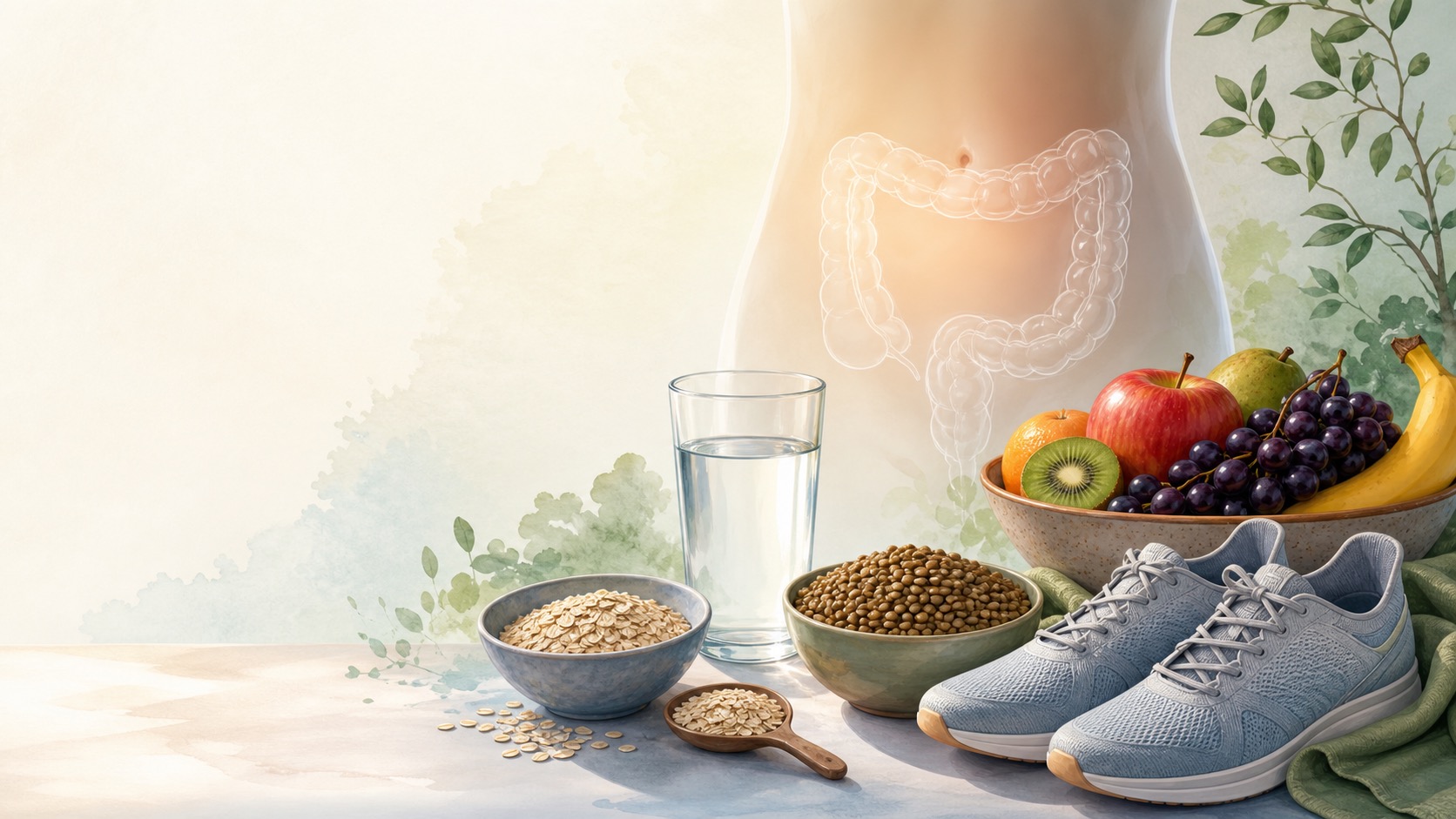
Qabz (قبض) is called constipation in English. When it drags on for months, the medical term is chronic constipation. It means hard, dry stools, or passing motion fewer than three times a week.
Qabz ko English mein kya kehte hain?
Qabz in English is constipation. Sometimes it is referred to as chronic constipation when it has lasted for several weeks without a clear cause. All of these point to the same thing: stool that is hard, infrequent, or difficult to pass. The StatPearls gastroenterology reference refers constipations as difficult and infrequent bowel movements, typically three or fewer times a week.
Qabz kyun hota hai ?
Qabz isliye hota hai kyunke jo colon (large intestine) hai, woh stool se bohat ziada paani absorb karleta hai. Iss wajah se stool dry hojata hai aur stool paas karne mai mushkil paish aati hai.
Normally, jab khana digestive tract mai se guzarta hai, intestine gradually nutrients absorb kartein hain. Partially digested food small intestine se guzar ke large intestine mai jaata hai, jo paani absorb karke stool ko solid karta hai. Qabz ki wajah se khana digestive tract mai se slowly guzarta hai, tou large intetsine ko ziada moka mil jaata hai to absorb water. Jis wajah se stool sakht, dry hojati hai aur stool pass karne mai mushkil hoti hai.
Why constipation is common in Karachi ?
Qabz ki kaafi wajuhaat hain jaise ke lifestyle factors, medications and medical conditions. For example, many people in Karachi eat plenty of naan, roti, and meat but little sabzi, daal, or fruit. Add long hours sitting at a desk, skipping the urge to go, so the bowel movement slows down.
Lifestyle factors
- Not consuming enough fiber.
- Not drinking enough water.
- Little to no exercise.
- Changes in regular routine such as travelling or going to bed at different times.
- Stress
Medications
Kuch dawai bhi qabz ki wajah ban sakti hain. Isliye doctor ko medical history zaroor batayein, taake qabz ki asal wajah dhoondh sakein. Constipation affects roughly 16% of adults worldwide, and Pakistan is no exception. The 2024 Pakistan consensus guidelines on constipation note it is common but underreported here, with higher rates in women. A Karachi cross-sectional study at Aga Khan Hospital and Jinnah Postgraduate Medical Centre (JCPSP, 2019) found most patients define constipation by straining and hard stools rather than by frequency.
Qabz ke symptoms kya hain?
The main signs are straining, hard or lumpy stool and the sense that the rectum has not emptied. Some people also feel bloated, have a hard belly, or pass a lot of gas.
Bloating and trapped wind often travel with constipation. If that is your main complaint, the page on pait mein gas ka ilaj covers gas and bloating in more detail, and pait ki gas ka fori ilaj covers quick relief steps
Qabz ka ilaj kya hai? What actually helps ?
The NHS advises adding fibre gradually and eating sorbitol-rich fruits like apples, apricots, grapes, raisins, and strawberries, which pull water into the stool and soften it. Patients often find it useful to start in this order:
- Add fiber slowly: sabzi, fruits, oats, and daal. Aim to build up over a week so you do not get more gas.

Fibre-rich fruits and vegetables are often missing from low-fibre diets built around naan, roti, and meat. © Unsplash
- Drink water through the day. In Karachi heat, most people are simply not drinking enough.

Drinking water steadily through the day keeps stool soft and prevents baseline constipation. © Unsplash
- Walk 20 to 30 minutes daily, ideally in the morning, when the bowel is naturally most active.
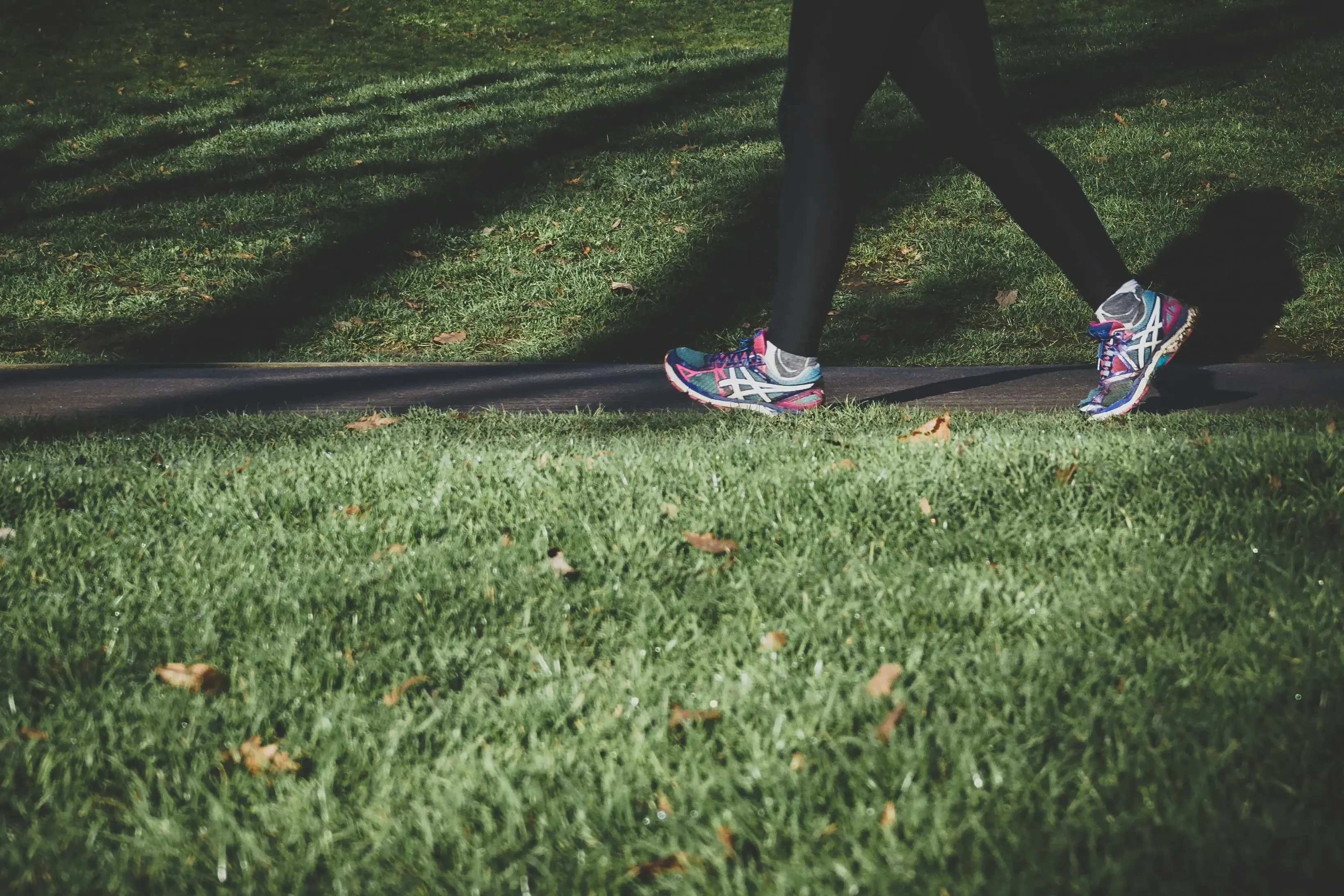
A 20 to 30 minute morning walk stimulates the bowel, which is naturally most active after waking. © Unsplash
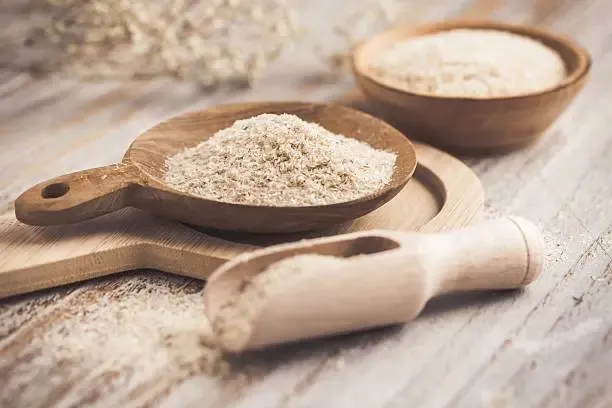
Ispaghol (psyllium husk) is a soluble fibre that draws in water, softens stool, and eases passage. © Unsplash
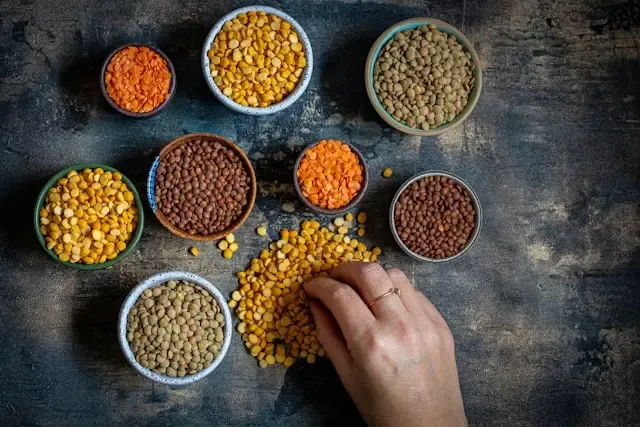
Daal eaten with its skin (chilka) is a cheap, high-fibre staple that adds bulk to stool. © Unsplash
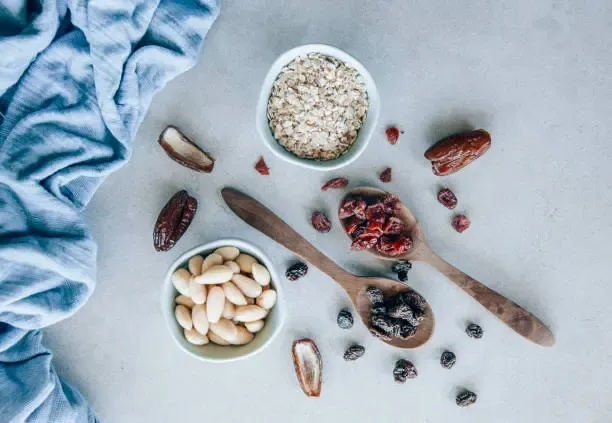
Kishmish (raisins) and dates contain sorbitol, which draws water into the bowel and softens stool. © Unsplash
Caution : Taking a laxative every single day without a doctor’s prescription is not recommneded. The American College of Gastroenterology recommends fiber and osmotic measures first, with stimulant laxatives kept for shorter, supervised use.
For more information on qabz treatment, see qabz ka ilaj: constipation treatment and relief.
Kab doctor dikhana chahiye?
See a doctor when constipation is new and persistent after age 45. Also see one if it does not improve after two weeks of more fibre and water, or if it comes with warning signs: blood in the stool, unexplained weight loss, or a family history of colon cancer.
If cramping pain is the dominant feature, the page on pait mein maror: abdominal cramps may fit your symptoms better. If indigestion and fullness sit alongside the constipation, badhazmi ka ilaj in Karachi is worth reading.
Seek emergency care now if you have: blood in the stool with severe belly pain, no passage of stool or gas at all with a swollen, tender abdomen and vomiting, or sudden severe constipation with fever. These can signal a blockage and need same-day assessment in an emergency department.
Aksar puchhe jaane wale sawaalat (FAQs)
Qabz ko English mein kya kehte hain? Qabz in English is called constipation. If it goes on for three months or longer, doctors call it chronic constipation. It means passing stool fewer than three times a week, or stools that are hard, dry, and difficult to push out. Constipation is a symptom, not a disease on its own.
What is the meaning of qabz? Qabz (Urdu: قبض) means constipation: infrequent or difficult bowel movements with hard, dry stool. A person with qabz may strain, feel that the bowel has not emptied fully, or go several days without a motion.
Constipation ki normal definition kya hai? Rome IV criteria ke mutabiq, chronic constipation ka matlab hai hafte mein 3 se kam baar pakhana, sakht ya gutli jaisa stool, zor lagana, ya adhoora khali hone ka ehsaas, kam az kam 3 mahine tak. Har roz motion na aana zaroori bimari nahi. Log 3 din tak bhi normal ho sakte hain agar takleef na ho.
Qabz kyu hoti hai? Sab se aam wajah kam fiber wali khorak aur kam paani hai. Karachi mein bohot se log naan, roti aur meat zyada khate hain, sabzi aur phal kam. Baithe rehna, exercise na karna, aur pakhane ko roke rakhna bhi qabz barhata hai. Kuch dawaiyan aur thyroid ya diabetes jaise masail bhi wajah ban sakte hain.
Is constipation dangerous? Occasional constipation is common and rarely serious. But constipation that starts suddenly after age 45, comes with blood in stool, weight loss, or a change in stool shape needs prompt evaluation. In Pakistan these features sometimes point to a colon problem, including cancer, and should not be managed with laxatives alone.
Qabz ka ghar par ilaj kya hai? Fiber barhayein (sabzi, phal, daal, oats), din bhar paani piyein, aur rozana 20 se 30 minute chalein. Subah ka waqt aksar behtareen hota hai kyunke aant subah zyada active hoti hai. Agar 2 hafte tak in tabdeeliyon ke bawajood faida na ho, to gastroenterologist se milein.
Kya qabz ke liye rozana laxative lena theek hai? Har roz stimulant laxative apne aap lena acha nahi. Yeh aant ko sust kar sakta hai. Behtar hai ke pehle fiber, paani, aur chalne se shuru karein, aur laxative sirf doctor ke mashware se muqarrar waqt ke liye lein.
Last clinically reviewed: Jul 23, 2026 by Dr. Muhammad Ali Taj, FCPS (Gastroenterology).
This article is for general information only. It is not a substitute for personalised medical advice, diagnosis, or treatment. If you have symptoms that persist, especially blood in stool, severe pain, persistent vomiting, unexplained weight loss, or a sudden change in bowel habits, see a Dr. Ali Taj or any medical professional immediately.
Karachi mein appointment
Dr. Ali Taj consults at Ziauddin Hospital (Clifton), Hill Park General Hospital, and Usman Memorial Hospital. To book an appointment, visit the consultation schedule page or contact the clinic. For related reading, see qabz ka ilaj, pait mein gas ka ilaj, and pait mein maror.