
Bloating Treatment in Karachi: Belly Gas & Gas Relief
Bloating (پیٹ پھولنا), known in English as a bloated stomach, belly gas, or feeling bloated, and medically as abdominal bloating or abdominal distension (also written as gastrointestinal gas), is a symptom, not a disease. (Common Roman-Urdu spellings: pait phoolna, pet phoolna, pait ka phoolna, pait mein gas, pet mein gas.) For the meaning in Urdu, see our bloating meaning in Urdu page. This post is about treatment: what works at home and what a doctor actually does.

Approach to treating bloating and indigestion. © Getty Images
Bloating treatment depends on the cause. For mild belly gas, the fastest relief is a 15 to 20 minute walk, warm water sipped slowly, and saunf or peppermint tea, while cutting fizzy drinks and chewing gum. Anti-gas tablets help short-term but do not treat the cause. Bloating lasting beyond 2 weeks, or with weight loss, blood, or persistent swelling, needs a doctor.
What is the fastest bloating treatment at home?
For mild, everyday belly gas, the fastest home treatment is a 15 to 20 minute walk after the meal, warm water sipped slowly, and saunf or peppermint tea, while sitting upright rather than lying flat. Most ordinary bloating eases within an hour this way. It does not fix a true underlying cause, but it handles the common post-meal version that brings most people in.
- Walk for 15 to 20 minutes. Gentle movement is the single most effective home step. It activates intestinal motility and helps trapped gas move along the colon.
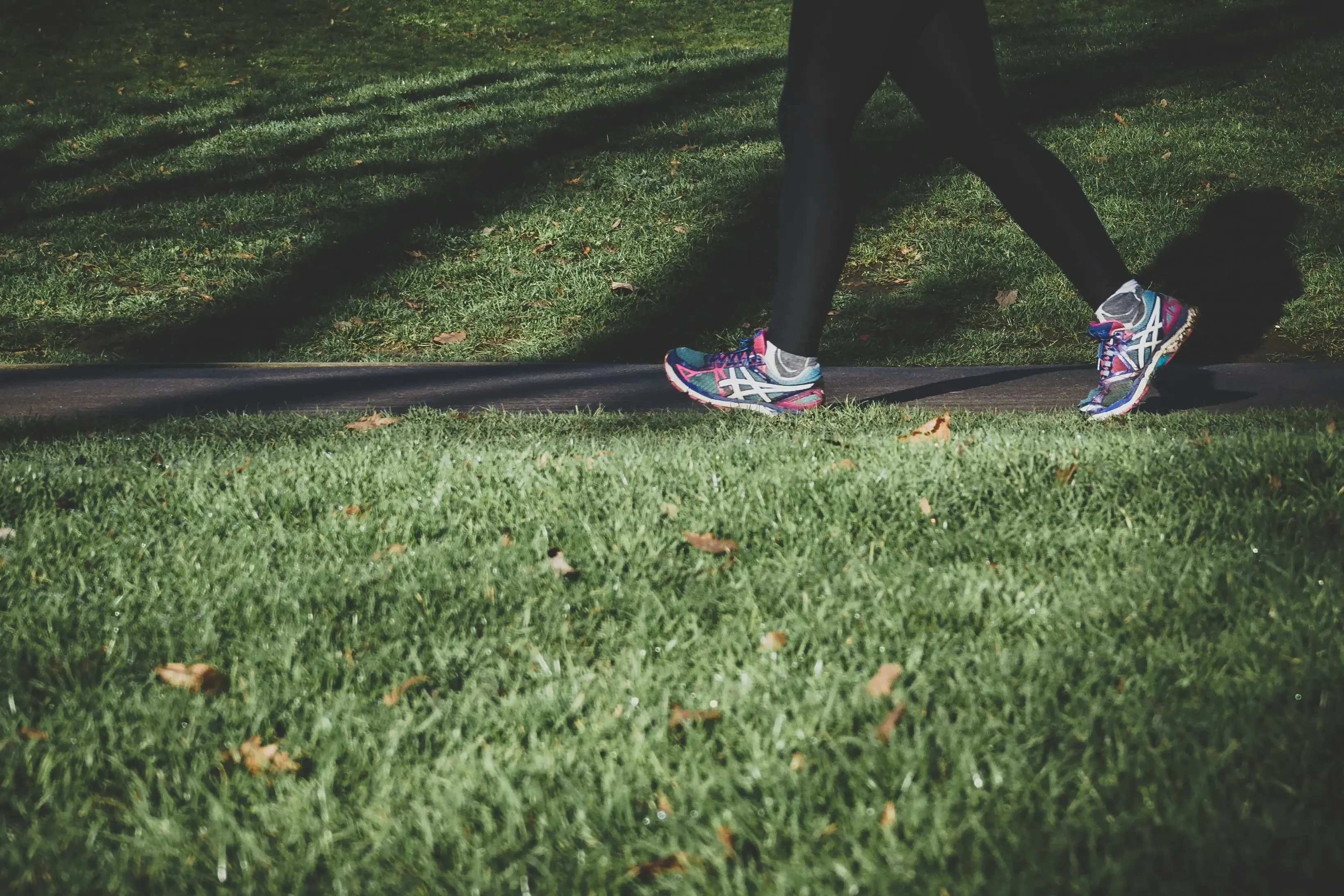
A short, gentle walk stimulates gut motility to help clear trapped gas. Source: Unsplash
-
Sip warm water, do not gulp. Half a glass over 10 minutes. Warm or room-temperature water relaxes the smooth muscle of the gut; ice-cold water sometimes tightens it.
-
Saunf, ajwain, or peppermint tea. Half a teaspoon of crushed saunf or ajwain in hot water has mild antispasmodic activity from anethole and thymol. Peppermint is the one with the best evidence and appears in the American College of Gastroenterology guidance for IBS-related symptoms.
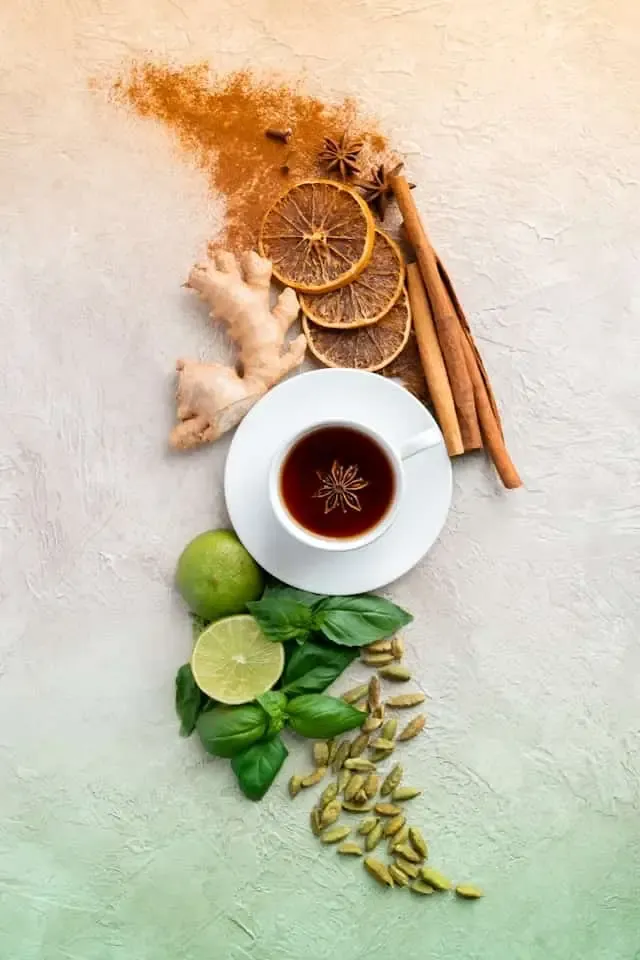
A warm cup of herbal ginger mint tea to soothe indigestion and relieve abdominal bloating. Source: Getty Images
- Sit upright or stand. Lying flat after a heavy meal lets gas pool in the upper abdomen. Recline at about 45 degrees for the first two hours after eating.
For patients who search “how to remove gas from stomach instantly”: a brisk walk, lying briefly on the left side, and knees-to-chest for 1 to 2 minutes are the moves that actually shift trapped gas. What to skip in the first hour is just as important: no carbonated drinks, no chewing gum, no smoking, and no over the counter painkillers. The non-steroidal class can worsen gastritis and does nothing for gas.
What is the best medicine for gas and bloating?
There is no single best medicine for bloating, because the right treatment depends on the cause. Anti-gas tablets in the antifoaming class break up gas bubbles for short-term relief but do not stop gas forming.
Anti-gas antifoaming tablets are the ones almost everyone reaches for. They reduce the surface tension of gas bubbles so they merge and pass more easily, and they are not absorbed into the bloodstream, which makes them safe for occasional use. The honest limitation is that the evidence for them is modest and they do not address why the gas keeps forming. The NHS puts it plainly: these medicines are used for trapped wind and bloating, though it is not certain they really work for these symptoms.
| If the cause is | The targeted treatment is | What home tablets do |
|---|---|---|
| H. pylori infection | A doctor-prescribed antibiotic course plus acid suppression | Mask symptoms, infection persists |
| Lactose intolerance | A lactase enzyme product, or reducing milk and full-cream chai | No effect on the underlying enzyme problem |
| IBS | A low-FODMAP diet trial, peppermint oil, fibre adjustment | Short relief only, symptoms return |
| Constipation (qabz) | Fibre, fluids, movement, and a laxative if needed | Anti-gas tablets do not help constipation bloating |
| SIBO | A doctor-supervised antibiotic course | No lasting effect |
Important: This table is for general education and not a prescription. The right medicine depends on a diagnosis, not on a guess. Always see a doctor before starting any treatment.
We do not name specific brands or doses on this site, on purpose. The point is the category. Patients searching “best medicine for gas and bloating in Pakistan” are usually looking for a shortcut around a diagnosis, and that shortcut is exactly what keeps belly gas going for years.
Why is bloating treatment so often missed in Karachi patients?
Bloating treatment is missed most often because the real cause is never tested for. A few causes turn up again and again in Karachi, and each has its own treatment.
- H. pylori infection. Helicobacter pylori prevalence in Pakistani adults runs above 50% in most surveys, with several Pakistani cohorts reporting 70% or higher. It often shows up as upper-abdominal fullness and early satiety rather than classic burning pain, which is why it gets mistaken for ordinary gas.
 Helicobacter pylori bacteria colonizing the stomach lining. Source: Getty Images
-
Lactose intolerance. Adult lactose malabsorption sits around 60% in published Pakistani data. Many patients tolerate a little dahi but bloat heavily after a big glass of milk or full-cream chai, usually 30 minutes to 2 hours later.
-
IBS. Chronic bloating with pain and stool changes, worse with stress and worse during the working week. The ACG’s 2021 IBS guideline is the framework I follow. See our IBS treatment and diet page.
-
Constipation (qabz). A colon full of stool holds gas. The everyday driver is a low fibre diet built around white roti and chawal. Our qabz ka ilaj page covers the fixes that work.
How does a gastroenterologist treat bloating? The workup
A gastroenterologist treats bloating by first finding the cause, then matching the treatment to it. The first visit is mostly conversation and examination. Tests, when needed, usually start with a stool antigen test for H. pylori and an abdominal ultrasound, and may extend to a breath test or endoscopy. The aim is to stop guessing.
The history does most of the work. When the bloating started, what makes it worse, how it relates to meals and to milk, whether stool habits have changed, and whether there is any weight loss. Then the examination and checking for hernias and swelling.
- Stool antigen test for H. pylori. Simple, non-invasive, and the first test for most patients with chronic upper-abdominal bloating.
- Abdominal ultrasound. This looks at the liver, gallbladder, and, in women over 40 with persistent swelling, the ovaries.
- Lactose or hydrogen breath test. Useful when the pattern points to lactose intolerance or small intestinal bacterial overgrowth.
- Endoscopy. A thin flexible camera through the mouth, the gold standard when upper-abdominal symptoms do not settle. Over 27 years I have done more than 13,500 of these.
- Colonoscopy. For bloating with a change in bowel habit, weight loss, or bleeding.
Not every patient needs every test. Treatment then follows the diagnosis: an antibiotic course for H. pylori, a lactase product or dairy reduction for lactose intolerance, a low-FODMAP trial for IBS, or fibre and fluids for constipation.
Frequent belching and bloating that are troublesome and not relieved by simple dietary measures should be evaluated rather than managed with indefinite over-the-counter antacid use. — American College of Gastroenterology, Belching, Bloating, and Flatulence
What foods should I avoid for bloating in Karachi?
For most patients with functional bloating, a short list of dietary swaps cuts symptoms within 2 weeks. The Karachi diet has a few specific items, and they are worth naming rather than giving generic advice.
Reduce or avoid: carbonated drinks, energy drinks, full-cream chai if you suspect lactose intolerance, large biryani or karahi portions in one sitting, heavy fried items like pakoras and samosas, late dinners eaten after 10 p.m., and chewing gum. For FODMAP-sensitive patients, also cut back on onions, large amounts of garlic, beans, and cabbage.
Keep or favour: smaller meals spread through the day, daal khichdi in modest portions, sabzi, banana, papaya, plain dahi with live cultures, boiled chawal, oats, ginger, saunf, plenty of water, and a 15-minute walk after lunch and dinner.
Timing matters as much as the food. Patients who eat a heavy dinner near midnight and lie down soon after set themselves up for overnight bloating that no single food swap will fix. During Ramadan, the same applies after iftar. A heavy fried iftar, sweet drinks, and immediate lying down after taraweeh is a recipe for evening bloating. Spreading the meal across iftar, the gap before isha, and a light sehri usually solves it.
When should I see a doctor for bloating? Red flags
Most bloating settles within hours and needs no doctor. Some patterns do, and missing them is the dangerous part.
Seek same-day evaluation if you have: severe abdominal swelling that came on quickly, abdominal pain with vomiting that will not stop, blood in vomit or stool, black tarry stools, fever above 39°C with a tense abdomen, yellowing of the skin or eyes, or a swollen abdomen with shortness of breath. These are not normal companions of bloating and need emergency care.
Outside emergencies, book a gastroenterology appointment if any of these apply: bloating on most days for more than 2 to 3 weeks despite home measures; bloating with unintentional weight loss; bloating with early satiety, meaning you feel full after only a few bites; a persistent change in bowel habit; bloating in a woman over 40 that does not go down overnight; a family history of stomach, colon, or ovarian cancer; or symptoms in a child lasting more than a week.
Aksar puchhe jaane wale sawaalat (FAQs)
What is the fastest bloating treatment at home? The fastest home treatment for mild bloating is a 15 to 20 minute walk after the meal, sipping warm water slowly, and saunf or peppermint tea. Sit upright instead of lying flat. Most everyday belly gas eases within an hour. If bloating lasts for days or comes with pain, weight loss, or blood, it needs medical evaluation.
What is the best medicine for gas and bloating? There is no single best medicine, because the right treatment depends on the cause. Anti-gas tablets in the antifoaming class break up gas bubbles for short-term relief but do not stop gas forming. Lasting treatment means finding the cause: an antibiotic course for H. pylori, a lactase product for lactose intolerance, a diet trial for IBS, or a laxative for constipation. A doctor and a stool antigen test usually clarify which path.
How do I get rid of stomach gas instantly? To shift trapped gas quickly, walk briskly for 15 to 20 minutes, lie on your left side for a few minutes, draw your knees to your chest for 1 to 2 minutes, and do slow deep breathing. Avoid fizzy drinks, chewing gum, and lying flat. These moves work for ordinary gas; sudden severe pain or a swollen, tense abdomen needs same-day care, not exercise.
What is bloating treatment in Urdu? Bloating ka ilaj wajah par depend karta hai. Halki bloating ke liye: 15 se 20 minute ki walk, garam pani, aur saunf ya pudina ka kahwa. Fizzy drinks aur chewing gum se bachein. Agar bloating 2 hafte se zyada ho, ya wazan girna, khoon, ya pet ki sojan raat bhar rahe, to gastroenterologist se milein.
Can a gastroenterologist cure chronic bloating? Often, yes, when there is a treatable cause. Many Karachi patients with chronic bloating have untreated H. pylori, lactose intolerance, SIBO, or IBS. Once the cause is identified with a stool antigen test, breath test, or endoscopy, targeted treatment resolves or controls symptoms in most cases. The aim of the workup is to find the cause, not to suppress symptoms indefinitely.
Why does my bloating not go away even after H. pylori treatment? Because H. pylori was probably not the only cause. It is hyperendemic in Pakistan, so many people test positive and get treated, but bloating continues if IBS, lactose intolerance, SIBO, or constipation is also present. Persistent bloating after H. pylori clearance needs a second look rather than another antibiotic course.
Are bloating tablets safe to take every day? Occasional use of anti-gas antifoaming tablets is generally safe, but daily long-term use without a diagnosis is the wrong approach. It masks a cause that often turns out to be treatable. Avoid taking non-steroidal painkillers for bloating discomfort, as they can worsen gastritis and ulcers. If you need tablets most days, see a doctor for proper evaluation.
Karachi mein appointment
This article is for general information only. It is not a substitute for personalised medical advice, diagnosis, or treatment. If you have symptoms that worry you, especially blood in vomit or stool, severe pain, persistent vomiting, jaundice, unexplained weight loss, or trouble swallowing, see a doctor or visit an emergency department promptly.
Reviewed on 29 May 2026 by Dr. Muhammad Ali Taj, MBBS, FCPS (Gastroenterology), MRCP (UK), Consultant Gastroenterologist and Hepatologist in Karachi. Read Dr. Taj’s full profile.
Dr. Ali Taj consults at Ziauddin Hospital (Clifton), Hill Park General Hospital, Life Care Consultant Clinics, and Usman Memorial Hospital. To book an appointment, visit the consultation schedule page or contact the clinic. For related symptom patterns, see our pages on bloating meaning in Urdu, pait mein gas, pait ki gas ka fori ilaj, IBS treatment and diet, pait dard ka ilaj, and qabz ka ilaj.