
Khoon Ki Ulti Ka Ilaj - Blood Vomiting Treatment | Dr. Ali Taj
If you or a loved one is experiencing khoon ki ulti (blood vomiting), this is a serious medical emergency that requires immediate attention. Dr. Muhammad Ali Taj, a leading gastroenterologist with over 27 years of experience and 13,500+ procedures completed, provides expert diagnosis and treatment for blood vomiting at multiple hospitals across Karachi.
Khoon Ki Ulti Kya Hai? (What is Blood Vomiting?)
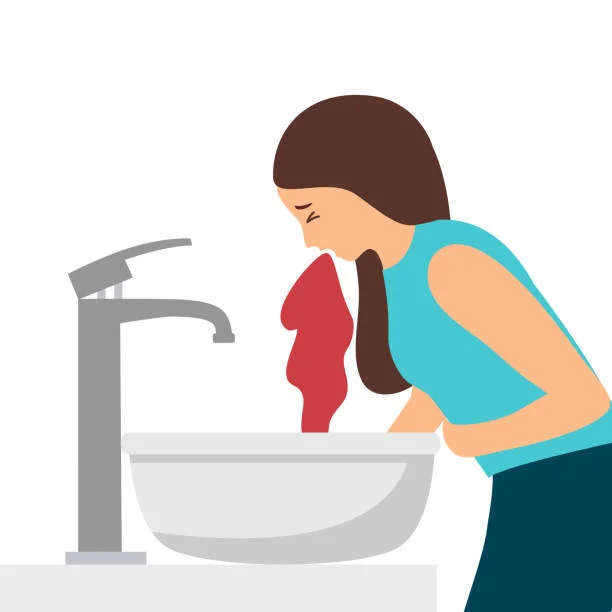
Khoon ki ulti, medically known as hematemesis, refers to vomiting blood from the upper digestive tract. This includes bleeding from the food pipe (esophagus), stomach, or the first part of the small intestine (duodenum).
The blood may appear in different forms:
- Bright red blood: Indicates fresh, active bleeding
- Dark red or maroon blood: Suggests slower bleeding
- Coffee ground appearance: Older blood that has been partially digested by stomach acid
Dr. Ali Taj explains that hematemesis is never normal and always requires immediate medical evaluation to identify and treat the underlying cause.
Khoon Ki Ulti Ki Wajuhat (Causes of Blood Vomiting)
Understanding why blood vomiting occurs is crucial for proper treatment. According to medical research, upper GI bleeding affects approximately 80 to 150 people per 100,000 annually.
Primary Causes:
1. Peptic Ulcer Disease (Maida Ka Zakhm)
Peptic ulcers are the most common cause of blood vomiting. These are open sores that develop on the inner lining of the stomach or upper small intestine. Common factors include:
- H. pylori bacterial infection
- Regular use of pain relievers
- Excessive stomach acid production
- Smoking and alcohol consumption
2. Esophageal Varices (Khorak Ki Nali Mein Phooli Hui Ragrein)
These are enlarged, swollen blood vessels in the lower esophagus. They commonly occur in patients with liver disease (cirrhosis) and portal hypertension. When these veins rupture, they cause severe bleeding that is life-threatening.
3. Mallory-Weiss Tear
This is a tear in the tissue where the esophagus meets the stomach. It typically occurs after:
- Severe vomiting episodes
- Excessive coughing
- Heavy lifting or straining
4. Gastritis (Maida Ki Sozish)
Inflammation of the stomach lining can cause bleeding. Common causes include:
- H. pylori infection
- Excessive alcohol use
- Stress on the body from severe illness
- Certain medications
5. Esophagitis (Khorak Ki Nali Ki Sozish)
Inflammation of the esophagus, often due to acid reflux (GERD), can lead to bleeding over time.
Other Causes:
- Stomach or esophageal tumors
- Blood vessel abnormalities (angiodysplasia)
- Blood clotting disorders
- Severe injury to the digestive tract
Khoon Ki Ulti Ki Alamat (Symptoms of Blood Vomiting)
Blood vomiting may occur with other warning signs that indicate the severity of the condition:
Immediate Warning Signs:
- Vomiting bright red blood or material resembling coffee grounds
- Black, tarry stools (melena), indicating blood has passed through the digestive system
- Dizziness or lightheadedness, suggesting significant blood loss
- Rapid heartbeat and breathing
- Cold, clammy skin
- Confusion or decreased alertness
Associated Symptoms:
- Abdominal pain or discomfort
- Nausea before vomiting
- Difficulty swallowing
- Unexplained weight loss
- Fatigue and weakness
Dr. Ali Taj emphasizes that any amount of blood in vomit warrants immediate medical attention, as internal bleeding can quickly become life-threatening.
Khoon Ki Ulti Ka Fori Ilaj (Emergency Response)
If you witness someone vomiting blood, take these immediate steps:
What to Do:
- Call for emergency help or go to the nearest hospital immediately
- Keep the person calm and lying down with legs elevated
- Do not give food or water until medical evaluation
- Note the amount and appearance of blood for the medical team
- Collect a sample if possible for examination
What NOT to Do:
- Do not ignore even small amounts of blood
- Do not wait to see if it happens again
- Do not take any medication without medical guidance
- Do not attempt home remedies for active bleeding
How Dr. Ali Taj Diagnoses Blood Vomiting
Dr. Ali Taj uses a systematic approach to identify the cause and severity of blood vomiting:
Initial Assessment:
The medical team will first stabilize the patient by:
- Checking vital signs (blood pressure, heart rate)
- Assessing the amount of blood loss
- Providing IV fluids if needed
- Ordering blood tests
Diagnostic Procedures:
1. Upper GI Endoscopy (Gastroscopy)
This is the primary diagnostic tool for blood vomiting. Dr. Ali Taj, with his expertise in over 13,500 procedures, performs this examination to:
- Directly visualize the esophagus, stomach, and duodenum
- Identify the exact bleeding source
- Determine the cause (ulcer, varices, tear, etc.)
- Provide immediate treatment during the same procedure
Medical guidelines recommend endoscopy within 24 hours for patients with upper GI bleeding for optimal outcomes.
2. Blood Tests
These help assess:
- Amount of blood loss (hemoglobin levels)
- Liver function (important for variceal bleeding)
- Clotting ability
- H. pylori infection status
3. Additional Imaging
In some cases, CT scans or other imaging may be needed to evaluate liver disease or other conditions.
Treatment Options for Khoon Ki Ulti
Treatment depends on the underlying cause and severity of bleeding. Dr. Ali Taj provides comprehensive care at multiple Karachi hospitals.
Endoscopic Treatment:
During gastroscopy, Dr. Ali Taj can stop active bleeding using:
- Injection therapy: To stop bleeding vessels
- Thermal coagulation: Using heat to seal bleeding points
- Hemostatic clips: Metal clips to close bleeding sites
- Band ligation: Especially effective for esophageal varices
Research shows endoscopic therapy successfully controls bleeding in 80% to 90% of patients.
Supportive Care:
- IV fluids to maintain blood volume
- Blood transfusion if significant blood loss occurred
- Close monitoring of vital signs
- Nothing by mouth until bleeding is controlled
Long-term Management:
After the acute episode is controlled, Dr. Ali Taj focuses on preventing recurrence by:
- Treating H. pylori infection if present
- Managing underlying liver disease
- Recommending lifestyle modifications
- Regular follow-up endoscopies when needed
Khoon Ki Ulti Se Bachao (Prevention)
While not all causes of blood vomiting can be prevented, you can reduce your risk:
Lifestyle Changes:
- Quit smoking: Increases ulcer risk and delays healing
- Limit alcohol: Can cause gastritis and liver damage
- Manage stress: Chronic stress affects digestive health
- Eat regular meals: Avoid long gaps between eating
Dietary Recommendations:
- Avoid excessive spicy foods
- Limit carbonated drinks
- Reduce caffeine intake
- Include fiber-rich foods
Medical Precautions:
- Use pain relievers cautiously and with meals
- Get tested and treated for H. pylori if indicated
- Follow up regularly if you have liver disease
- Report any digestive symptoms early
Kab Doctor Se Milein? (When to See Dr. Ali Taj)
Seek immediate emergency care if you experience:
- Vomiting blood of any amount
- Black, tarry stools
- Fainting or severe dizziness with digestive symptoms
- Rapid heartbeat with abdominal discomfort
- Severe abdominal pain
Schedule a consultation if you have:
- Chronic acid reflux or heartburn
- Known liver disease
- History of stomach ulcers
- Persistent upper abdominal pain
- Unexplained weight loss or appetite changes
Dr. Ali Taj’s Expertise in GI Bleeding
Dr. Muhammad Ali Taj brings unparalleled expertise to managing blood vomiting cases:
Unique Qualifications:
- FCPS Gastroenterology: Pakistan’s highest qualification
- MRCP (UK) Gastroenterology: Internationally recognized expertise
- ERCP and EUS expertise: Complex procedure specialist
- Research publications
With 27+ years of experience treating digestive emergencies, Dr. Ali Taj has successfully managed thousands of patients with upper GI bleeding from across Karachi and Pakistan.
Hospital Affiliations:
- Ziauddin Hospital (Clifton)
- Hill Park General Hospital
- Life Care Consultant Clinics
- Usman Memorial Hospital
Book Your Consultation
Blood vomiting is a medical emergency that requires expert care. Dr. Ali Taj’s extensive experience in endoscopy and GI bleeding management ensures accurate diagnosis and effective treatment.
Contact Dr. Ali Taj:
- WhatsApp: 0312 3803935
- Specialties: Gastroenterology, Hepatology, Endoscopy, ERCP, EUS
- Experience: 27+ years treating digestive disorders
Frequently Asked Questions
Q: Khoon ki ulti kitni khatarnak hai? (How dangerous is blood vomiting?)
A: Blood vomiting is always a serious symptom requiring immediate medical attention. While some causes are minor, others can be life-threatening. The mortality rate for upper GI bleeding ranges from 2% to 10%, making prompt evaluation essential.
Q: Kya khoon ki ulti apne aap theek ho sakti hai? (Can blood vomiting resolve on its own?)
A: While minor bleeding may stop temporarily, the underlying cause must be identified and treated to prevent recurrence. Never ignore blood vomiting, even if it seems to stop.
Q: Endoscopy mein kitna waqt lagta hai? (How long does endoscopy take?)
A: Upper GI endoscopy typically takes 15-30 minutes. Dr. Ali Taj can often diagnose and treat the bleeding source during the same procedure.
Q: Khoon ki ulti ke baad kya khana chahiye? (What to eat after blood vomiting?)
A: After the bleeding is controlled and your doctor approves eating, start with clear liquids, then progress to bland, soft foods. Avoid spicy, acidic, and hard foods initially. Your gastroenterologist will provide specific dietary guidance.
Q: Kya khoon ki ulti liver ki bimari ki nishani hai? (Is blood vomiting a sign of liver disease?)
A: Blood vomiting can be caused by esophageal varices, which develop due to liver cirrhosis and portal hypertension. However, many other conditions also cause blood vomiting. Proper evaluation by a gastroenterologist is needed to determine the cause.
Q: Agar thoray se khoon ki ulti ho to bhi hospital jana chahiye? (Should I go to the hospital even for a small amount of blood?)
A: Yes, absolutely. Any amount of blood in vomit requires medical evaluation. What appears as minor bleeding could indicate a more serious underlying condition.
Medical Disclaimer: This information is for educational purposes only. Blood vomiting is a medical emergency. Always seek immediate professional medical care if you experience vomiting blood. Do not rely on this information for self-diagnosis or treatment.