
Fatty Liver Treatment Karachi - Best Hepatologist | Dr. Ali Taj
If you’re searching for a top liver specialist in Karachi or the best hepatologist for fatty liver treatment, you’ve come to the right place. Fatty liver disease affects nearly 30% of Pakistanis, making it one of the most common liver conditions in the country. Dr. Muhammad Ali Taj, a leading Consultant Gastroenterologist and Hepatologist with over 27 years of experience and 13,500+ successful procedures, provides expert diagnosis and treatment for fatty liver and related liver conditions across Karachi.
What is Fatty Liver Disease? (Jigar Mein Charbi)
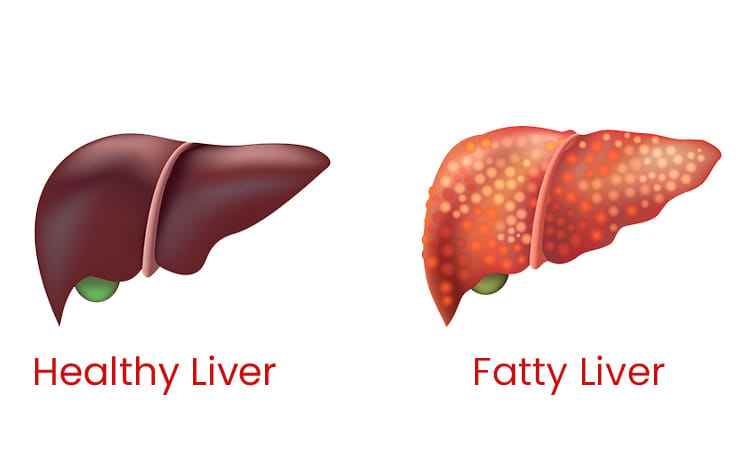
Fatty liver disease, known as jigar mein charbi in Urdu, occurs when excess fat accumulates in liver cells. The medical community now refers to this condition as Metabolic Dysfunction-Associated Steatotic Liver Disease (MASLD), replacing the older term NAFLD (Non-Alcoholic Fatty Liver Disease).
Dr. Ali Taj explains that fatty liver exists on a spectrum:
Stages of Fatty Liver Disease:
- Simple Steatosis - Fat accumulation without inflammation (early stage)
- MASH (Steatohepatitis) - Fat with inflammation and liver cell damage
- Fibrosis - Scarring begins to develop
- Cirrhosis - Advanced scarring affecting liver function
Most people with fatty liver have no symptoms in early stages, which is why it’s often called the “silent liver disease.” This makes regular screening essential for those at risk.
Fatty Liver Ki Wajah (Causes of Fatty Liver in Pakistan)
Pakistan faces a growing fatty liver epidemic due to several factors. Research shows that fatty liver prevalence reaches 74% among obese individuals and 58% in diabetics.
Primary Risk Factors:
- Obesity and central adiposity - Waist circumference above 94cm (men) or 80cm (women)
- Type 2 diabetes or prediabetes - Pakistan has 33 million diabetics
- High triglycerides - Above 150 mg/dL
- Metabolic syndrome - Combination of obesity, high blood pressure, and abnormal cholesterol
- Sedentary lifestyle - Common in urban Karachi
Pakistani Dietary Factors:
- Heavy consumption of oily and fried foods
- Excessive use of ghee and cooking oils
- High intake of refined carbohydrates (white rice, naan, paratha)
- Sugary drinks and processed foods
- Late-night heavy meals
Important Note on “Lean Fatty Liver”:
Dr. Ali Taj emphasizes that fatty liver can affect non-obese individuals too. Up to 45% of fatty liver patients have normal body weight but may have hidden central obesity or genetic factors.
Fatty Liver Ki Alamat (Symptoms of Fatty Liver)
While early fatty liver often shows no symptoms, advanced disease may cause:
Common Symptoms:
- Persistent fatigue - Feeling tired despite adequate rest
- Right upper abdominal discomfort - Dull ache below the ribs
- General weakness - Lack of energy for daily activities
- Brain fog - Difficulty concentrating
Warning Signs of Advanced Disease:
- Yellowing of skin and eyes (jaundice)
- Swelling in legs and abdomen
- Easy bruising or bleeding
- Dark urine
- Loss of appetite and unexplained weight loss
- Confusion or memory problems
Is Fatty Liver 100% Curable?
Yes, fatty liver is often reversible, especially when caught early. Dr. Ali Taj has helped thousands of patients reverse their fatty liver through proper treatment.
Reversibility by Stage:
Simple Steatosis (Grade 1):
- Fully reversible with lifestyle changes
- 3-5% weight loss can eliminate liver fat
MASH with Inflammation:
- Reversible with 7% or more weight loss
- Inflammation can resolve completely
Early Fibrosis:
- Can be reversed with 10% or more sustained weight loss
- Requires dedicated lifestyle modification
Advanced Fibrosis/Cirrhosis:
- Damage becomes permanent at this stage
- Focus shifts to preventing further progression
- This is why early detection is crucial
Which Doctor is Best for Fatty Liver Treatment?
For fatty liver treatment, you need a hepatologist - a gastroenterologist with specialized training in liver diseases. Dr. Ali Taj’s qualifications make him one of the best choices for fatty liver treatment in Karachi:
Dr. Ali Taj’s Qualifications:
- FCPS Gastroenterology - Pakistan’s highest medical qualification
- MRCP (UK) Gastroenterology - Internationally recognized expertise
- 27+ years of clinical experience
- 13,500+ successful procedures
- Specialized training in hepatology and liver diseases
When to See a Hepatologist vs General Doctor:
- See a hepatologist for confirmed fatty liver, abnormal liver tests, suspected fibrosis, or family history of liver disease
- General practitioners can screen and refer, but specialized care improves outcomes
How Dr. Ali Taj Diagnoses Fatty Liver
Dr. Ali Taj uses a comprehensive approach to diagnose and stage fatty liver disease:
Initial Evaluation:
- Complete medical history - Risk factors, symptoms, family history
- Physical examination - Checking for liver enlargement and signs of advanced disease
- Liver Function Tests (LFTs) - ALT, AST, and other enzyme levels
Advanced Diagnostic Tools:
- FibroScan (Transient Elastography) - Non-invasive test measuring liver stiffness and fat content
- Ultrasound - First-line imaging showing “bright liver” appearance
- FIB-4 Index - Calculates fibrosis risk using age, platelets, and liver enzymes
- Liver Biopsy - Reserved for uncertain cases requiring definitive diagnosis
Understanding Your Results:
- FibroScan below 6.5 kPa - Low risk of significant fibrosis
- FibroScan above 15 kPa - Suggests possible cirrhosis
- CAP score - Measures fat content in liver
Fatty Liver Ka Ilaj (Treatment Approach)
Dr. Ali Taj emphasizes that fatty liver treatment focuses on addressing the root metabolic causes:
Lifestyle Modifications (Foundation of Treatment):
Weight Loss Goals:
- 3-5% weight loss - Reduces liver fat
- 7% weight loss - Resolves inflammation
- 10% weight loss - Can reverse fibrosis
Dietary Changes:
- Follow Mediterranean-style diet
- Increase vegetables, fruits, and whole grains
- Choose lean proteins (fish, chicken, lentils)
- Use olive oil instead of ghee
- Avoid sugary drinks and processed foods
- Limit refined carbohydrates
Exercise Recommendations:
- 150-300 minutes of moderate activity weekly
- Brisk walking, swimming, or cycling
- Include resistance training twice weekly
- Even exercise without weight loss improves liver health
Additional Recommendations:
- Coffee (3-4 cups daily) has protective effects on liver
- Complete alcohol avoidance
- Adequate sleep (7-8 hours)
- Stress management
Medical Management:
Dr. Ali Taj provides comprehensive medical care including:
- Management of diabetes and blood sugar control
- Treatment of high cholesterol and triglycerides
- Blood pressure management
- Regular monitoring and follow-up
- Coordination with other specialists as needed
Fatty Liver During Pregnancy - Special Considerations
Acute Fatty Liver of Pregnancy (AFLP) is a rare but serious condition completely different from regular fatty liver disease. It requires immediate medical attention.
Warning Signs During Pregnancy:
- Sudden nausea and vomiting in third trimester
- Abdominal pain
- Jaundice (yellowing of skin/eyes)
- Fatigue and malaise
- Low blood sugar symptoms
Important Facts:
- Occurs in approximately 1 in 7,000-20,000 pregnancies
- Typically appears between 30-38 weeks gestation
- Delivery is the definitive treatment
- Early recognition is critical for mother and baby safety
- Requires immediate specialist care
If you’re pregnant and experience these symptoms, seek emergency medical care immediately.
Can Fatty Liver Cause Skin Problems?
Yes, liver disease can manifest on the skin, though typically in advanced stages:
Skin Signs of Liver Disease:
- Jaundice - Yellow discoloration of skin and eyes
- Spider angiomas - Small red spots with radiating blood vessels
- Palmar erythema - Redness of palms
- Itching (pruritus) - Can be severe and affect sleep
- Easy bruising - Due to impaired clotting factors
- Terry’s nails - White nail beds with pink tips
Related Skin Conditions:
- Acanthosis nigricans - Dark, velvety patches in skin folds (sign of insulin resistance, shares same cause as fatty liver)
- Psoriasis - Studies show 47% of psoriasis patients have fatty liver
If you notice unexplained skin changes along with risk factors for fatty liver, consult Dr. Ali Taj for evaluation.
Prevention Tips for Pakistani Patients
Dietary Guidelines:
- Reduce consumption of biryani, karahi, and fried foods
- Choose grilled or steamed options
- Replace white rice with brown rice or roti
- Drink green tea or black coffee instead of sugary chai
- Include dahi (yogurt) for probiotics
- Eat dinner early (before 8 PM)
Lifestyle Recommendations:
- Walk for 30 minutes daily
- Take stairs instead of elevator
- Maintain healthy weight
- Get annual health checkups if you have risk factors
- Control diabetes and blood pressure
- Quit smoking and avoid alcohol
When to See Dr. Ali Taj - Warning Signs
Consult Dr. Ali Taj immediately if you experience:
- Persistent fatigue lasting more than 2 weeks
- Right upper abdominal pain or discomfort
- Unexplained weight loss
- Yellowing of skin or eyes
- Swelling in legs or abdomen
- Family history of liver disease
- Abnormal liver function tests
- Known risk factors (diabetes, obesity, high cholesterol)
Hospital Affiliations
Dr. Ali Taj provides consultations at multiple locations across Karachi:
- Ziauddin Hospital (Clifton)
- Hill Park General Hospital
- Life Care Consultant Clinics
- Usman Memorial Hospital
Book Your Consultation Today
Don’t let fatty liver progress to advanced disease. Early detection and treatment can completely reverse this condition. Dr. Ali Taj’s expertise in hepatology ensures accurate diagnosis and effective treatment tailored to your specific needs.
Contact Dr. Ali Taj:
- WhatsApp: 0312 3803935
- Specialties: Gastroenterology, Hepatology, Endoscopy, ERCP, EUS
- Experience: 27+ years treating liver and digestive disorders
Frequently Asked Questions
Q: Is fatty liver a serious condition? A: Fatty liver can become serious if left untreated. While early-stage fatty liver is reversible, it can progress to inflammation, fibrosis, and eventually cirrhosis. Early treatment prevents these complications.
Q: How long does it take to reverse fatty liver? A: With consistent lifestyle changes, many patients see improvement in liver fat within 3-6 months. Complete reversal of early-stage disease typically takes 6-12 months of sustained effort.
Q: Can I cure fatty liver without medication? A: Yes, most cases of fatty liver can be reversed through lifestyle changes alone, including weight loss, dietary modifications, and regular exercise. However, associated conditions like diabetes may require medical management.
Q: What foods should I avoid with fatty liver? A: Avoid fried foods, sugary drinks, processed foods, white bread and rice, excessive ghee and oil, alcohol, and high-fructose items. Focus on whole foods, vegetables, lean proteins, and healthy fats.
Q: Is fatty liver hereditary? A: While fatty liver itself is not directly inherited, genetic factors can increase susceptibility. Family history of diabetes, obesity, or liver disease increases your risk.
Q: Can thin people get fatty liver? A: Yes, “lean fatty liver” affects up to 45% of non-obese fatty liver patients. Central obesity (belly fat), genetics, and metabolic factors can cause fatty liver even in thin individuals.
Q: How often should I get checked if I have fatty liver? A: Dr. Ali Taj recommends follow-up every 3-6 months initially, then annually once the condition is stable. Those with advanced disease may need more frequent monitoring.
Medical Disclaimer: This information is for educational purposes only. Always consult with a qualified healthcare provider for proper diagnosis and treatment of liver conditions.