
Endoscopy
Digestive Cancer Screening in Karachi
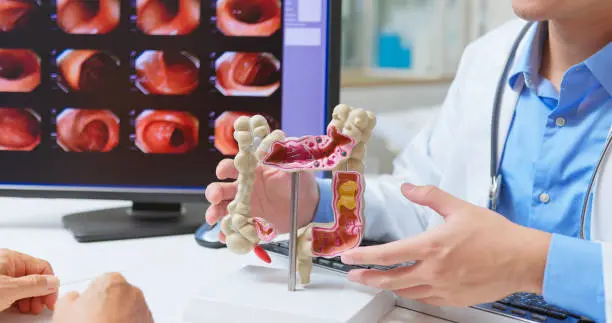
Digestive cancer screening means looking for early cancer or the polyps that can turn into cancer. For the bowel, the main screening test a gastroenterologist performs is a colonoscopy. For the stomach, there is no routine screening for everyone;however, an upper endoscopy is used when symptoms or risk factors call for it.
Warning signs that need prompt review
These symptoms do not mean you have cancer, and most turn out to have other causes. They need a proper diagnosis rather than home treatment.
-
Blood in the stool
-
A change in bowel habit that is unusual for you, such as new constipation, looser stools or going more often
-
Feeling you need to go again straight after going
-
Stomach pain, bloating or a lump in the abdomen
-
Weight loss without trying, tiredness or breathlessness from anaemia
-
Difficulty swallowing
-
Persistent indigestion or heartburn, especially if new and you are older
-
Feeling full quickly, loss of appetite or unexplained weight loss
-
Pain at the top of the tummy, repeated vomiting or dark stools
Seek urgent care the same day if you are passing a lot of blood or clots, are vomiting blood, or feel faint. More on this in our guide to black and bloody stool.
Who should have bowel cancer screening?
The US Preventive Services Task Force (2021) recommends colorectal cancer screening for adults aged 45 to 75 who have no symptoms and average risk. Between 76 and 85, the decision is individual and depends on health and previous screening. USPSTF
Colonoscopy and other screening tests
| Test | How it works | Usual interval if normal (average risk) |
|---|---|---|
| Colonoscopy | Camera examines the whole colon; polyps can be removed during the same test | Every 10 years |
| Stool test for hidden blood (FIT) | Small stool sample tested in a lab | Every year |
| CT colonography | Special CT scan of the colon | Every 5 years |
Intervals are from the USPSTF recommendation. USPSTF A positive stool test or an abnormal scan is followed by a colonoscopy, which is why many people choose colonoscopy directly. The best option depends the diagnosis.
Colonoscopy has one advantage that polyps can usually be removed at the same time, before they have a chance to become cancer. Read the full colonoscopy guide.

Dr Ali Taj performing visual examination of the large intestine via endoscope. © Dr. M. Ali Taj
When is an upper endoscopy needed?
An upper endoscopy looks at the esophagus, stomach and small intestine. It is not a routine screening test for everyone, but a gastroenterologist may recommend it for:
- Any of the stomach or swallowing warning signs listed above
- Long-standing reflux with new or changing symptoms
- Iron-deficiency anaemia without a clear cause
The endoscopy guide explains preparation and recovery.
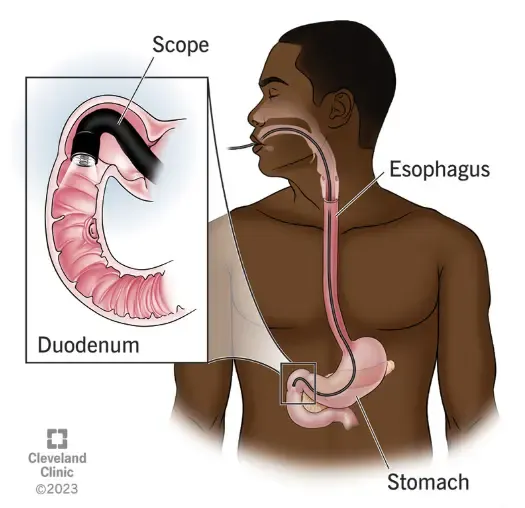
An endoscopy procedure utilizes a flexible tube with a high-definition camera to directly examine the lining of the digestive tract. © Cleveland Clinic
Preparing for your consultation
A screening decision is easier when the doctor has the full picture.
- Your age, symptoms (if any) and how long they have lasted
- Family history of bowel, stomach or other cancers, with the relative’s age at diagnosis
- Any previous colonoscopy, endoscopy or biopsy reports
- Recent blood reports, especially haemoglobin
- A list of the medicines you take, including blood thinners, because the team may need to plan around them
Do not stop any prescribed medicine on your own before a procedure. The team performing it will give you individual instructions for preparation and medicines.
Seeing Dr. Ali Taj in Karachi
Dr. Muhammad Ali Taj is a consultant gastroenterologist and hepatologist with 28+ years of practice and more than 14,000 endoscopic procedures, including gastroscopies and colonoscopies. He practises at:
- Ziauddin Hospital, Clifton
- Hill Park General Hospital
- Lyfe Healthcare
- Life Care Consultant Clinics
- Usman Memorial Hospital
His qualifications are listed on the about page. If you have inflammatory bowel disease and want to understand your surveillance needs, see the ulcerative colitis guide.
Frequently asked questions
At what age should I start bowel cancer screening?
The US Preventive Services Task Force recommends screening for average-risk adults from age 45 to 75. People with a family history, previous polyps or inflammatory bowel disease may need to start earlier.
Is screening the same as testing because of symptoms?
Screening is for people without symptoms. If you have bleeding, black stools, weight loss, trouble swallowing or a change in bowel habit, you need a diagnostic assessment, not routine screening.
How often is a screening colonoscopy needed?
For average-risk adults with a normal result, guidelines suggest every 10 years. Your doctor may advise a shorter interval if polyps are found or your risk is higher.
Is there routine screening for stomach cancer?
There is no routine population screening programme for stomach cancer in most countries. Upper endoscopy is used when someone has warning symptoms or specific risk factors that a doctor has assessed.
Does a colonoscopy hurt?
Most people are given sedation and feel little discomfort. The bowel preparation the day before is usually the harder part.
This article is general health information and does not replace an individual assessment or treatment plan from your doctor.
To arrange a consultation, see clinic timings and locations.