
Hepatology
Yarkan In English: Jaundice Meaning & Symptoms
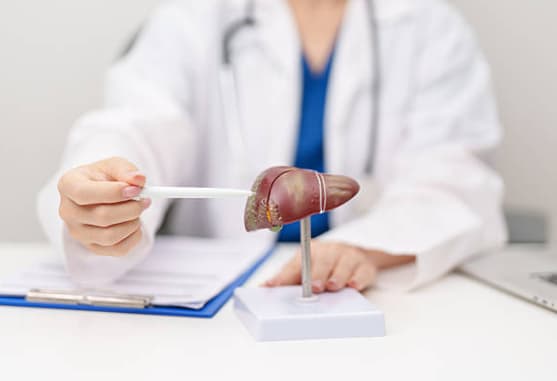
Yarkan (یرقان) in English is jaundice, the yellow colouring of the skin and the whites of the eyes. The medical term is icterus. In Pakistan two everyday names split the condition: peela yarkan, the visible yellow jaundice, and kala yarkan that is referred to as hepatitis B or C.
Yarkan itself is a sign, not a full diagnosis. It appears when a yellow pigment called bilirubin builds up in the blood, usually because the liver is inflamed, the bile ducts are blocked, or red blood cells are breaking down too fast. In a Karachi OPD, the single most common reason I look for first is viral hepatitis. A blood test settles it quickly.
Yarkan ko English mein kya kehte hain?
Yarkan in English is jaundice. The word describes a yellow tint in the sclera (the white part of the eyes) and the skin. Doctors also call it icterus. It is a visible clue that something is interfering with how the body clears bilirubin, the yellow pigment left over when old red blood cells are recycled.
Yarkan kesay develop hota hai?
- Red blood cell breakdown: Aap ki body regularly old red blood cells break karke new cells se replace karti hai. This breakdown process makes bilirubin.
- Bilirubin processing: Aap ka liver bilirubin process karta hai, making it a part of bile (a bitter, greenish-brown fluid that helps digest food). Then the liver releases the bile into your digestive system.
- Too much bilirubin: Yarkan tab hota hai jab aap ka liver saara bilirubin process nahi kar sakta ya phir liver ko bilirubin release karne mai mushkil hoti hai.
- Yellow color: Jab blood mai bohat ziada bilirubin ho jata hai, woh baaki body parts mai phelnay lagta hai. This means that it starts to leak into tissues around your blood vessels. This leaking bilirubin makes your skin and the whites of your eyes yellow. This yellow color is a common sign of jaundice.

The liver and bile system. Jaundice occurs when bilirubin builds up due to liver problems, bile duct blockage, or excessive red blood cell breakdown. © Medical illustration
Peela yarkan aur kala yarkan mein kya farq hai?
Peela yarkan is the plain yellow jaundice you can see. Kala yarkan is a lay Urdu term for chronic viral hepatitis, usually hepatitis B or hepatitis C, and it does not always show visible yellowing at all. The names describe how patients experience the illness, not a medical classification, so both still need blood tests to name the exact cause.
The word kala (black) confuses many patients. It does not mean the skin turns black. It grew as a name for the “hidden” hepatitis that damages the liver slowly, often for years, without the obvious yellow colour of acute jaundice.
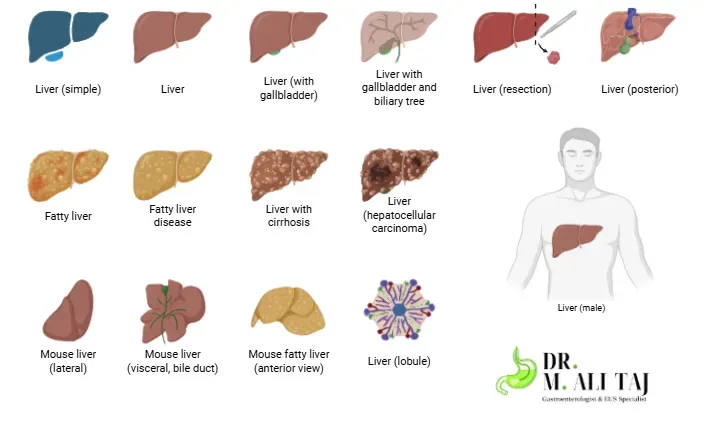
The liver structure and different liver types. Chronic hepatitis B or C can silently damage the liver for years without visible jaundice symptoms. © Medical illustration
Pakistan mai specifically Karachi mai yarkan ki wajuhaat kya hain?
In Karachi, chronic viral hepatitis dominates this list. Pakistan carries one of the heaviest hepatitis C burdens in the world; published national surveys put hepatitis C at roughly 4 to 6 percent of adults, with hepatitis B adding a few percent more. Reused syringes, unscreened blood, and unsterilised dental or barber tools are many of the causes.
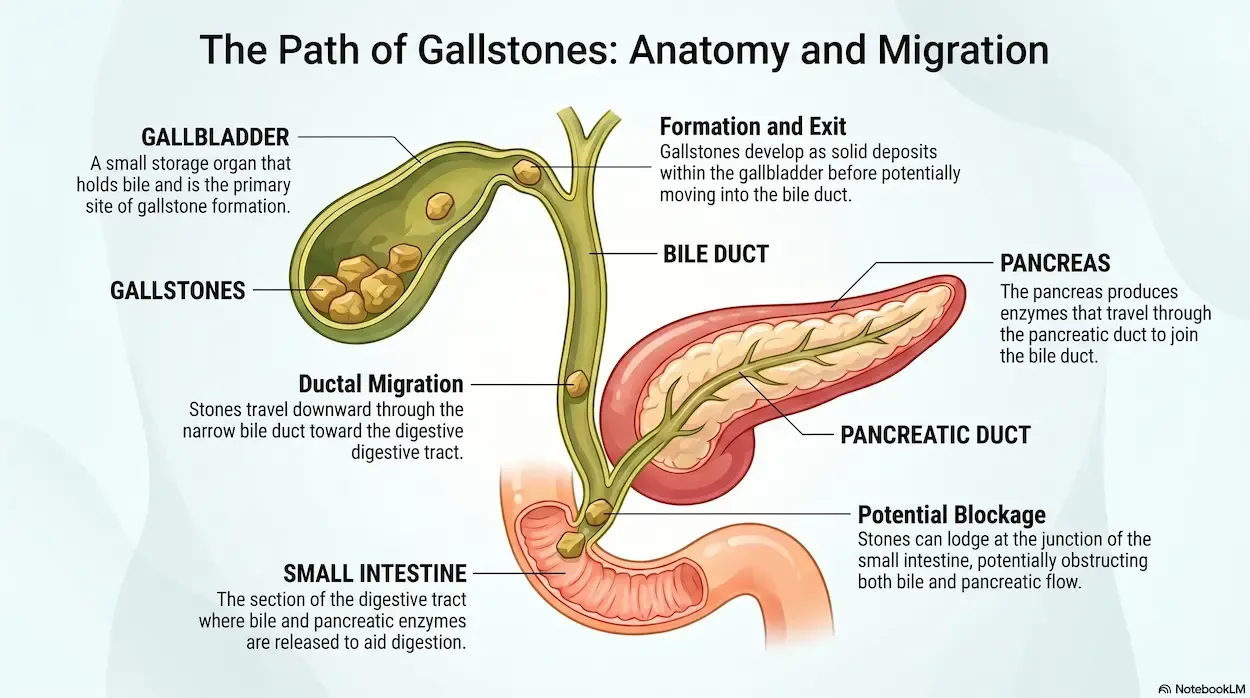
Gallstones blocking the bile ducts are one of the common mechanical causes of jaundice. © Medical illustration
Bachon mai yarkan kyun hota hai, newborns mai specifically?
Newborns mai yarkan ki kaafi reasons hain. Mild jaundice in babies is common in the first week and often harmless, but it still needs checking rather than sunlight and wait advice.
Reasons for jaundice in newborn babies:
- Physiologic Jaundice: The most common form, simply due to a newborn’s liver needing a few days to catch up with bilirubin processing.
- Breastfeeding Jaundice: Can occur in breastfed babies, often due to insufficient breast milk intake in the first few days.
- Underlying Conditions: Blood type incompatibility (between mother and baby), severe bruising during birth, internal bleeding, or infections can cause jaundice to appear much earlier or be more severe. Premature babies (born before 37 weeks) are also at higher risk
Yarkan ki alamat kya hain?
The clearest sign of yarkan is yellowing of the whites of the eyes, which usually shows before the skin does. Common companions are dark, tea-coloured urine, pale or clay-coloured stools, tiredness, itching, and loss of appetite. Some people also notice a dull ache under the right ribs where the liver sits. Kala yarkan is trickier because hepatitis B and C can run for years with almost no symptoms.

Jaundice assessment typically involves examining the eyes and skin for yellowing, along with blood tests to determine the underlying cause. © Medical illustration
Potential symptoms for yarkan :
- Yellow eyes or skin (aankhon ya jild ka peela hona)
- Dark yellow or brown urine (gehra peshaab)
- Pale, putty-coloured stools (paakhana)
- Unusual tiredness and poor appetite
- Itching without a rash
- Ongoing discomfort under the right ribs
- Weight loss
If yarkan keeps returning or never fully clears, that pattern points to a chronic problem and deserves a proper workup. The full list of jaundice symptoms and their meaning is worth reading if you are tracking your own signs.
Kab doctor ko dikhana chahiye?
See a doctor for any new yellowing of the eyes or skin, dark urine, or pale stools, even if you otherwise feel well. Because kala yarkan hides for years, anyone with a past blood transfusion, dental work, or a family member with hepatitis should get tested even without symptoms. A simple blood panel checks bilirubin, liver enzymes, and the hepatitis viruses.
Do not wait it out.
Seek emergency care now if you have: jaundice with confusion or drowsiness, severe abdominal pain with high fever, vomiting of blood or black tarry stools, or yellow eyes in a newborn who is feeding poorly. These can signal liver failure or a blocked, infected bile duct and need same-day assessment.
For long-running viral hepatitis behind kala yarkan, hepatitis B and C treatment in Karachi covers what assessment and follow-up involve. Modern hepatitis C treatment, in particular, has changed a great deal in the last decade.
Aksar puchhe jaane wale sawaalat (FAQs)
Yarkan ko English mein kya kehte hain? Yarkan in English is called jaundice. The medical term is icterus. Both describe the yellow colouring of the skin and the whites of the eyes that happens when a substance called bilirubin builds up in the blood.
Peela yarkan aur kala yarkan mein kya farq hai? Peela yarkan is the Urdu name for visible jaundice, the yellow skin and eyes most people picture. Kala yarkan is a lay term Pakistani patients use for hepatitis B and hepatitis C, the long running viral liver infections. Kala yarkan is not a medical diagnosis, so it always needs a blood test to confirm which virus is involved.
What is kala yarkan in English? Kala yarkan is commonly used in Pakistan to mean chronic viral hepatitis, usually hepatitis B or hepatitis C. In English you would name the actual infection, for example hepatitis C, rather than translate kala yarkan word for word. The only way to know which one it is is a hepatitis blood test.
Yarkan kyu hoti hai? Yarkan happens when bilirubin, a yellow pigment from the normal breakdown of red blood cells, is not cleared properly. That can be from liver inflammation such as hepatitis, a blockage in the bile ducts such as a gallstone, or faster-than-normal red cell breakdown. In Karachi, hepatitis B and C are among the most common reasons.
Kya yarkan khud theek ho jati hai? Some short lived jaundice, such as hepatitis A or mild newborn jaundice, settles on its own. But jaundice from hepatitis B, hepatitis C, or a blocked bile duct does not resolve by itself and can quietly damage the liver for years. New or lasting jaundice always needs a blood test rather than home remedies.
Yarkan ke sath kab doctor ko dikhana chahiye? See a doctor promptly for any new yellowing of the eyes or skin, dark urine, pale stools, ongoing tiredness, or belly pain. Seek emergency care for jaundice with confusion, drowsiness, high fever, or vomiting of blood. These point to a serious liver or bile-duct problem that needs urgent assessment.
Last clinically reviewed: July 16, 2026 by Dr. Muhammad Ali Taj, F.C.P.S. (Gastroenterology).
This article is for general information only. It is not a substitute for personalised medical advice, diagnosis, or treatment. If you notice yellow eyes or skin, dark urine, pale stools, or any of the emergency signs above, see a doctor promptly.
Karachi mein appointment
For non-emergency liver and digestive symptoms, Dr. Muhammad Ali Taj consults at Ziauddin Hospital, Clifton, Hill Park General Hospital, Life Care Consultant Clinics, and Usman Memorial Hospital. To book an appointment, visit the consultation schedule page.