
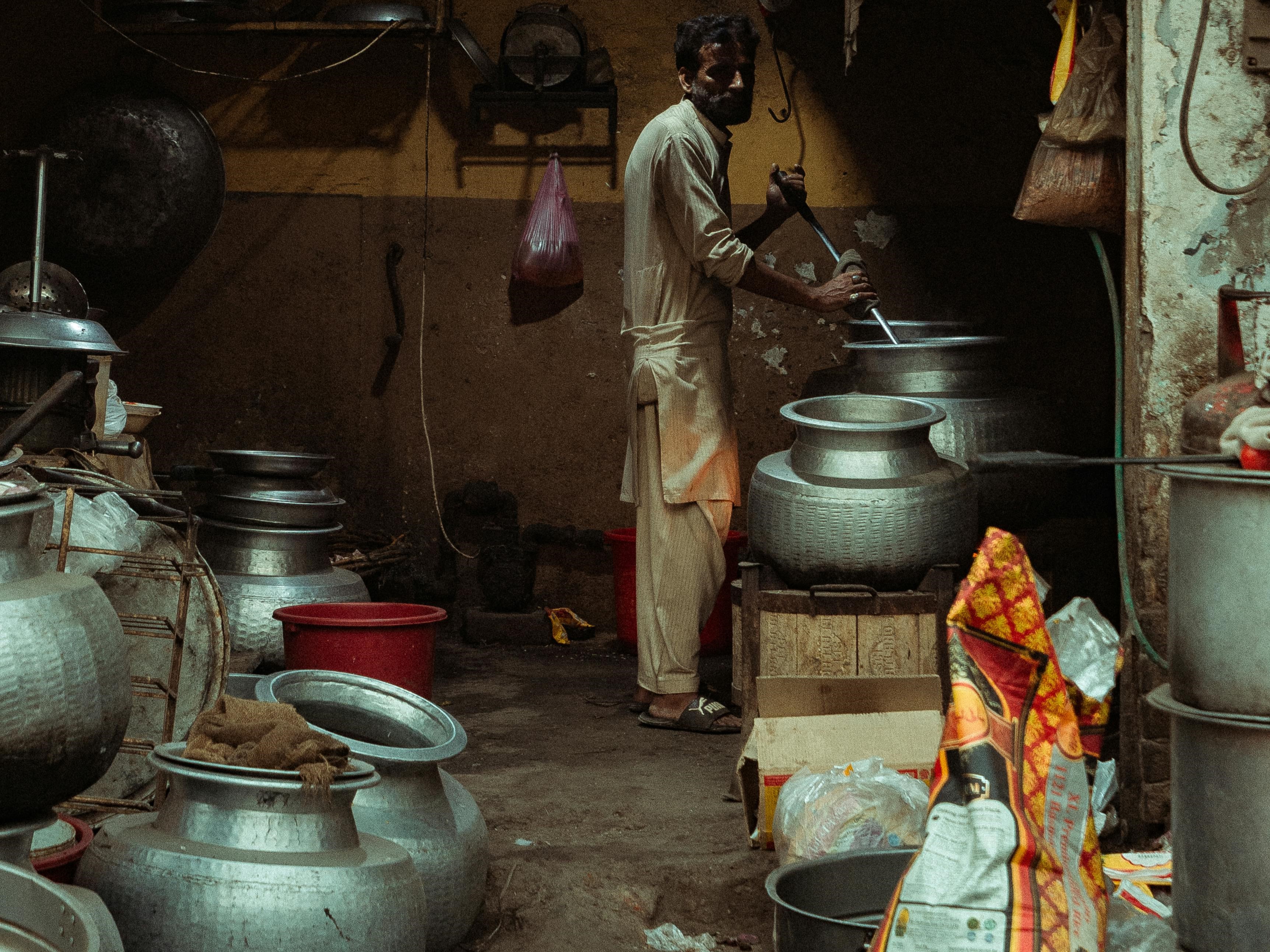
Street Food Safety Karachi - Which Foods Make You Sick | Dr. Ali Taj
If you love Karachi’s street food but frequently suffer from food poisoning, stomach infections, or you’re not alone. Dr. Muhammad Ali Taj, a leading gastroenterologist with over 27 years of experience, treats hundreds of patients every year who fall ill after eating from their favorite street vendors at Burns Road, Boat Basin, and Hussainabad.
The good news? You don’t have to give up street food entirely. Understanding which foods carry the highest risk—and how to minimize that risk—can help you enjoy Karachi’s culinary culture while protecting your health.
Why Is Karachi Street Food Risky?
Karachi has one of the highest typhoid rates in the world, with studies showing 170-176 cases per 100,000 people annually. Research from Aga Khan University found that eating food from roadside vendors increases typhoid risk by nearly 5 times compared to eating at home.
Dr. Ali Taj explains that several factors make street food particularly risky in Karachi:
Food Handler Hygiene Issues
A study of 209 street food vendors across Karachi found that 9.1% were carrying Typhoid bacteria without showing any symptoms. These “silent carriers” unknowingly spread disease to customers. Most vendors lack access to clean water, toilets, or handwashing facilities.
Contaminated Water Supply
Research shows 86-91% of Karachi’s water sources are contaminated with harmful bacteria. This water is used to wash vegetables, make ice, and prepare beverages—directly contaminating the food you eat.
Temperature Danger Zone
Food left sitting between 5-60°C allows bacteria to multiply rapidly. Many street foods sit at unsafe temperatures for hours before being served.
Karachi Street Foods That Make You Sick
1. Bun Kabab and Burgers
The Risk: The patty is usually safe if freshly fried, but the real danger lies in the raw coleslaw and onions. Studies found salad samples had the highest bacterial contamination levels. Vegetables washed in tap water carry E. coli, Salmonella, and Staphylococcus.
Harm Reduction: Ask for your burger without “kachi salad” (raw vegetables). Skip the chutney from open jars. The fried patty and toasted bun are safer.
2. Gola Ganda
The Risk: A 2024 University of Karachi study found 100% of ice samples exceeded WHO safety limits for lead, nickel, and arsenic. Lead levels were 248 times higher than safe limits. Ice blocks are often made from contaminated groundwater and stored in unsanitary conditions. Multiple districts have banned gola ganda after discovering vendors using textile dyes instead of food colors.
Harm Reduction: Avoid gola ganda entirely, especially for children. There is no safe way to consume this product given current ice quality in Karachi.
3. Sugarcane Juice (Gannay Ka Ras)
The Risk: Testing found 75% of samples contaminated with E. coli and 70% with Staphylococcus aureus. The crushing machines are rarely cleaned properly, and vendors handle money and sugarcane with the same hands.
Harm Reduction: If you must indulge, choose vendors who wear gloves and don’t add ice. However, this remains a high-risk beverage.
4. Pani Puri / Gol Gappay
The Risk: Studies show 51% of pani puri samples have fecal contamination and 23% contain E. coli. The vendor’s hands repeatedly dip into the flavored water, transferring bacteria. Contamination rates jump from 42% in winter to 68% in summer.
Harm Reduction: This is one of the riskiest street foods. The preparation method makes it nearly impossible to consume safely from street vendors.
5. Dahi Baray and Chana Chaat
The Risk: Chutneys and dahi (yogurt) sit in open containers at room temperature for hours, allowing bacterial growth. Raw onions and coriander add contamination risk.
Harm Reduction: Choose vendors with high turnover where food doesn’t sit long. Avoid if the dahi looks separated or smells off.
6. Fresh Fruit Juices
The Risk: Besides contaminated water and ice, fruit juice vendors rarely wash fruits properly. Lahore studies found Salmonella in 2% of samples and widespread coliform contamination.
Harm Reduction: Opt for sealed bottled drinks instead. If choosing juice, watch the vendor prepare it fresh and request no ice.
7. Haleem
The Risk: While thoroughly cooked haleem is relatively safe, the danger comes from haleem that’s been sitting at lukewarm temperatures. Studies found dangerous levels of Clostridium perfringens in meat dishes left at room temperature for 8-10 hours.
Harm Reduction: Choose vendors serving haleem from actively heated pots. Avoid haleem that’s been sitting in display containers.
The Golden Rule: Cooked vs. Raw
Dr. Ali Taj advises patients to follow one simple principle: piping hot, freshly cooked food is safer than anything raw or cold.
Foods that are relatively safer:
- Freshly fried items (pakoras, samosas straight from oil)
- Actively boiling/heated dishes
- Whole fruits you peel yourself
- Sealed bottled water and drinks
Foods to avoid or approach with caution:
- Anything with raw vegetables or salads
- Ice in any form
- Chutneys from open jars
- Cut fruits
- Any cold beverage
Diseases You Can Catch from Street Food
Typhoid Fever (XDR Typhoid)
Since 2016, Karachi has been experiencing an outbreak of extensively drug-resistant (XDR) typhoid, with over 15,000 confirmed cases. This strain resists most antibiotics, making treatment extremely difficult. Symptoms include high fever, weakness, stomach pain, and headache.
Hepatitis A
Transmitted through contaminated food and water, Hepatitis A causes liver inflammation, jaundice, fatigue, and nausea. Studies show nearly all Pakistani children are infected before age 5, but adults who escaped childhood infection face more severe illness.
Cholera
The 2022 cholera outbreak in Karachi confirmed 129 cases linked to contaminated water. Symptoms include severe watery diarrhea leading to dangerous dehydration within hours.
Gastroenteritis (Food Poisoning)
The most common outcome of unsafe street food, causing vomiting, diarrhea, abdominal cramps, and fever. While usually self-limiting, severe cases require medical attention.
Protect Yourself: Dr. Ali Taj’s Recommendations
Before Eating Out:
- Get vaccinated for Typhoid and Hepatitis A
- Carry alcohol-based hand sanitizer (60%+ alcohol)
- Keep ORS packets at home for emergencies
While Eating:
- Choose vendors with high customer turnover
- Watch your food being prepared fresh
- Avoid ice completely
- Skip raw salads and chutneys
- Use hand sanitizer before eating
If You Get Sick:
- Start oral rehydration immediately (ORS or nimbu pani with salt and sugar)
- Seek medical attention if you have bloody stool, high fever above 39°C, severe dehydration, or symptoms lasting more than 3 days
When to See Dr. Ali Taj
Consult immediately if you experience:
- Persistent diarrhea or vomiting for more than 48 hours
- Blood in stool or vomit
- High fever (above 102°F/39°C)
- Signs of dehydration (dry mouth, dizziness, dark urine)
- Severe abdominal pain
- Yellow eyes or skin (jaundice)
- Inability to keep fluids down
Unique Qualifications:
- FCPS Gastroenterology - Pakistan’s highest qualification
- MRCP (UK) Gastroenterology - Internationally recognized expertise
- ERCP and EUS expertise - Complex procedure specialist
- Research publications
Hospital Affiliations:
- Ziauddin Hospital (Clifton)
- Hill Park General Hospital
- Life Care Consultant Clinics
- Usman Memorial Hospital
Frequently Asked Questions
Q: Can I eat street food if I’m vaccinated against Typhoid? A: Typhoid vaccines are only 50-80% effective. Vaccination reduces risk but doesn’t eliminate it. Continue practicing food safety precautions.
Q: Which Karachi street foods are safest? A: Freshly fried items served piping hot carry the lowest risk. Think fresh samosas, pakoras straight from the karahi, or freshly grilled seekh kababs.
Q: How quickly do food poisoning symptoms appear? A: Bacterial food poisoning typically causes symptoms within 6-24 hours. Typhoid has a longer incubation period of 1-3 weeks.
Q: Is Burns Road food safe to eat? A: Burns Road vendors vary widely in hygiene practices. Apply the same rules: choose busy stalls, eat hot foods only, avoid raw items and ice.
Q: Should I take antibiotics after eating street food as prevention? A: No. Preventive antibiotics are not recommended and contribute to antibiotic resistance—the very problem making XDR typhoid so dangerous.
Book Your Consultation Today
If you’re experiencing digestive symptoms after eating street food, don’t wait for complications. Dr. Ali Taj’s expertise in gastroenterology ensures accurate diagnosis and effective treatment.
Contact Dr. Ali Taj:
- WhatsApp: 0312 3803935
- Specialties: Gastroenterology, Hepatology, Endoscopy, ERCP, EUS
- Experience: 27+ years treating digestive disorders | 13,500+ procedures
Medical Disclaimer: This information is for educational purposes only. Always consult with a qualified healthcare provider for proper diagnosis and treatment of digestive issues.