
Maiday Ka Bacteria Ka Ilaj - H. Pylori Treatment | Dr. Ali Taj Karachi
Has your stomach pain returned even after completing a full course of antibiotics? You’re not alone. Thousands of patients across Karachi visit Dr. Muhammad Ali Taj after failed “stomach kit” treatments, discovering that their chronic acidity is actually a stubborn bacterial infection called Helicobacter pylori (H. pylori).
With over 27 years of experience and 13,500+ successful procedures, Dr. Ali Taj specializes in diagnosing and treating resistant H. pylori infections that don’t respond to standard pharmacy treatments.
Maiday Ka Bacteria Kya Hai? (What is H. Pylori?)
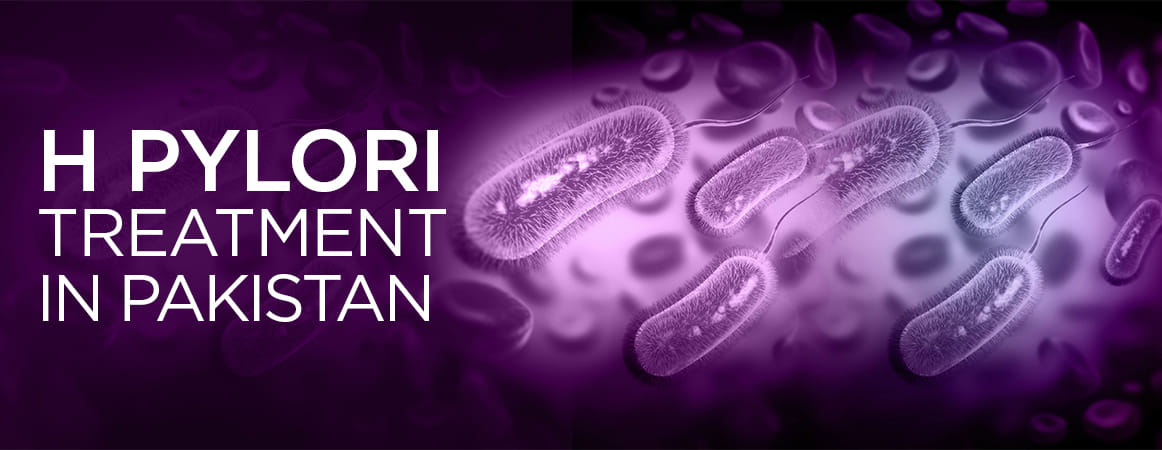
H. pylori (Helicobacter pylori) is a spiral-shaped bacterium that burrows into your stomach lining, causing chronic inflammation and damage. Unlike ordinary “acidity” (tezabiyat), this is a living infection that won’t go away on its own.
Dr. Ali Taj explains that H. pylori is not simply “gas” or “badhazmi” — it’s a serious bacterial infection that affects over 58% of Pakistan’s population. In patients with chronic gastritis, this number climbs to 85%.
Why H. Pylori is Different from Regular Acidity
Many patients confuse H. pylori symptoms with ordinary acid reflux. Here’s the key difference:
Regular Acidity (Tezabiyat):
- Burning after spicy meals
- Relief with antacids
- Comes and goes
- No underlying infection
H. Pylori Infection (Maiday Ka Bacteria):
- Persistent gnawing pain that returns
- Temporary relief from medicine, then symptoms return
- Gets worse over months/years
- Requires specific antibiotic treatment
- Can cause ulcers and increase cancer risk
Maiday Ke Infection Ki Alamaat (H. Pylori Symptoms in Urdu)
Recognizing H. pylori symptoms is the first step toward proper treatment. Pakistani patients typically describe these symptoms:
Primary Symptoms:
| English Term | Urdu/Roman Urdu | What You Feel |
|---|---|---|
| Burning stomach pain | Pait mein jalan | Dull burning in upper abdomen |
| Heartburn | Seene mein jalan | Burning rising to chest |
| Bloating | Pait phoolna | Stomach feels swollen after eating |
| Nausea | Matli/Ubkaayi | Constant urge to vomit |
| Loss of appetite | Bhook na lagna | Food feels unappealing |
| Frequent burping | Bar bar dakaar | Excessive belching |
Warning Signs That Indicate Serious Infection:
- Pain that wakes you at night
- Unexplained weight loss (wazan kam hona)
- Black or tarry stools (kala ya tar jaisa paikhana)
- Vomiting blood or coffee-ground material
- Severe fatigue and weakness
- Pain lasting more than 2-3 weeks despite treatment
If you experience any warning signs, contact Dr. Ali Taj immediately for evaluation.
Pait Ka Infection Kaise Hota Hai? (How H. Pylori Spreads in Pakistan)
Understanding how H. pylori spreads helps explain why it’s so common in Karachi and throughout Pakistan.
Water Contamination
Research has detected H. pylori DNA in Karachi’s municipal water supply. The bacteria can survive in water for extended periods — active forms persist for one week, while dormant forms remain viable for over a year, even in chlorinated water.
Mother-to-Child Transmission
Studies show that 69% of infected children carry the same H. pylori strain as their mothers. Common transmission behaviors include:
- Tasting food before feeding children
- Sharing spoons and utensils
- Cleaning pacifiers with saliva
- Close physical contact during caregiving
When both parents are infected, up to 85% of their children become infected.
Pakistani Lifestyle Risk Factors:
Dietary Practices:
- Consuming unpasteurized “fresh milk” from local doodh walas
- Eating from shared plates (thali culture)
- Drinking unboiled water or well water
Living Conditions:
- Household crowding (more than 4 family members)
- Poor oral hygiene and irregular brushing
- Limited access to clean water
Cultural Habits:
- Communal eating during family gatherings
- Sharing drinks and food items
Dr. Ali Taj notes that early infection in childhood is extremely common in Pakistan — studies from Karachi show that 80% of infants in peri-urban areas test positive by just one month of age.
Dawa Kaam Kyun Nahi Karti? (Why Your Medicine Isn’t Working)
This is the question Dr. Ali Taj hears most often. Patients come to his clinic frustrated after taking multiple courses of antibiotics without lasting relief. The answer lies in Pakistan’s antibiotic resistance crisis.
The Antibiotic Resistance Problem in Pakistan
Pakistan has some of the world’s highest H. pylori antibiotic resistance rates:
- Metronidazole resistance: 73-89% — the highest in South Asia
- Clarithromycin resistance: 31-48% — far above safe treatment thresholds
- Levofloxacin resistance: 56% — and climbing
- 93.5% of Pakistani H. pylori strains show resistance to at least one antibiotic
Why “Stomach Kits” Often Fail
The pre-packaged “stomach kits” sold at pharmacies typically contain clarithromycin-based combinations. With nearly half of Pakistani H. pylori strains resistant to clarithromycin, these standard treatments fail in a significant number of patients.
Three Reasons Your Treatment Failed:
1. Over-the-Counter Self-Medication Studies show 81.5% of Pakistani pharmacies dispense antibiotics without prescription. Patients obtain clarithromycin and metronidazole for self-diagnosed conditions, creating resistant bacteria.
2. Incomplete Treatment Courses Many patients stop antibiotics once symptoms improve — typically after 3-5 days instead of completing the required 14-day course. This kills weaker bacteria but allows resistant strains to survive and multiply.
3. No Confirmation Testing Without proper testing before and after treatment, there’s no way to know if the infection was truly eliminated. Symptoms may temporarily improve even when bacteria remain.
Dr. Ali Taj emphasizes that after failed treatment, patients need specialist evaluation — not another pharmacy kit.
Sahi Tareeqa Se Test Kaise Hota Hai? (Proper H. Pylori Diagnosis)
Accurate diagnosis is essential for successful treatment. Dr. Ali Taj uses internationally-recognized testing methods to confirm infection and guide treatment.
Tests Available in Karachi:
Blood Test (Serology) — NOT Recommended
- Detects antibodies, not active infection
- Cannot distinguish past infection from current infection
- Antibodies persist for years after successful treatment
- International guidelines no longer recommend this test
Stool Antigen Test — Recommended
- Detects H. pylori proteins in stool
- Confirms current, active infection
- 91-96% accuracy
- Available at major Karachi hospitals
- Useful for both diagnosis and confirming cure
Urea Breath Test — Gold Standard
- Over 95% accuracy
- Non-invasive and safe
- Available at tertiary centers
- Best for confirming treatment success
Endoscopy with Biopsy — For Complex Cases
- Direct visualization of stomach lining
- Allows tissue sampling for testing
- Enables culture and sensitivity testing
- Required when cancer or ulcers suspected
When Endoscopy Becomes Necessary:
Dr. Ali Taj recommends endoscopy for patients with:
- Alarm symptoms (bleeding, weight loss, difficulty swallowing)
- Age over 45-50 years with new symptoms
- Multiple failed treatment attempts
- Suspected ulcers or pre-cancerous changes
- Need for culture and sensitivity testing
Dr. Ali Taj Ka Treatment Approach
With extensive experience in resistant H. pylori cases, Dr. Ali Taj uses evidence-based treatment protocols tailored to Pakistan’s resistance patterns.
Why Specialist Treatment is Different:
Resistance-Informed Therapy Rather than using standard clarithromycin combinations that fail in Pakistani patients, Dr. Ali Taj selects regimens based on local resistance data and individual patient factors.
Sequential and Quadruple Therapy Pakistani studies show sequential therapy achieves 95% eradication compared to only 67% with standard triple therapy. For resistant cases, bismuth-based quadruple therapy offers superior results.
Personalized Treatment Plans Dr. Ali Taj considers factors that predict treatment failure:
- Previous treatment attempts
- Duration of symptoms
- Prior PPI (acid blocker) use
- Age and other health conditions
Confirmed Eradication Every patient receives follow-up testing at least 4 weeks after completing treatment to confirm the infection is truly gone — using breath test or stool antigen, never blood tests.
Unique Qualifications:
- FCPS Gastroenterology — Pakistan’s highest qualification
- MRCP (UK) Gastroenterology — Internationally recognized expertise
- ERCP and EUS expertise — Complex procedure specialist
- Research publications — Evidence-based practice
Treatment Success Factors
Dr. Ali Taj shares the key factors that determine treatment success:
What You Must Do:
Complete the Full Course Take every dose for the full 14 days, even when you feel better. Stopping early is the primary cause of resistance and treatment failure.
Follow Timing Instructions Take medications at the prescribed times. Some antibiotics work better on empty stomachs, others with food.
Avoid Certain Foods During Treatment Limit spicy foods, alcohol, and excessive tea/coffee during the treatment period.
Return for Confirmation Testing The only way to know treatment worked is through proper testing 4+ weeks after completing antibiotics.
What to Avoid:
- Self-medicating with leftover antibiotics
- Taking another “stomach kit” without medical guidance
- Stopping treatment when symptoms improve
- Relying on blood tests to confirm cure
Maiday Ke Infection Se Bachao (Prevention Tips)
While complete prevention is difficult in Pakistan’s high-prevalence environment, these steps reduce transmission risk:
Water and Food Safety:
- Drink boiled or filtered water
- Consider packaged/pasteurized milk over fresh milk
- Wash fruits and vegetables thoroughly
- Avoid street food from unhygienic vendors
Household Hygiene:
- Use separate utensils for family members with confirmed infection
- Avoid sharing drinks and tasting food with same spoon
- Maintain regular tooth brushing with toothpaste
- Wash hands thoroughly before eating
Family Testing:
If one family member is diagnosed, Dr. Ali Taj recommends testing other symptomatic family members, especially:
- Spouses
- Children with digestive complaints
- Elderly family members with stomach problems
Serious Complications of Untreated H. Pylori
Ignoring H. pylori infection can lead to serious long-term consequences:
Peptic Ulcers
10-15% of infected patients develop stomach or duodenal ulcers. Pakistani data shows H. pylori in 91% of gastric ulcer cases and 86% of duodenal ulcers.
Gastric Cancer Risk
The World Health Organization classifies H. pylori as a Group 1 carcinogen (definite cancer-causing agent). Successful eradication reduces gastric cancer risk by approximately 76%.
MALT Lymphoma
This stomach lymphoma is found alongside H. pylori in 90% of cases. Remarkably, treating the bacterial infection alone cures 50-95% of MALT lymphoma patients.
Chronic Gastritis and Atrophy
Long-term infection causes progressive stomach lining damage, potentially leading to pre-cancerous changes.
Dr. Ali Taj stresses that chronic “acidity” that doesn’t respond to treatment deserves proper evaluation — not continued self-medication.
Hospital Affiliations:
- Ziauddin Hospital (Clifton)
- Hill Park General Hospital
- Life Care Consultant Clinics
- Usman Memorial Hospital
Book Your Consultation Today
Don’t let resistant H. pylori continue damaging your stomach. If you’ve tried multiple treatments without success, or if your “acidity” keeps returning, expert evaluation can identify the true cause and provide effective treatment.
Contact Dr. Ali Taj:
- WhatsApp: 0312 3803935
- Specialties: Gastroenterology, Hepatology, Endoscopy, ERCP, EUS
- Experience: 27+ years treating digestive disorders
- Procedures: 13,500+ successful endoscopic procedures
Aksar Poochay Janay Walay Sawalaat (FAQs)
Q: Maiday ka bacteria kitne din mein theek hota hai? A: With proper treatment, H. pylori can be eradicated in 10-14 days. However, resistant infections may require longer or different treatment regimens. Confirmation testing is essential 4 weeks after treatment.
Q: Kya H. pylori wapas aa sakta hai? A: Reinfection is possible, especially in Pakistan’s high-prevalence environment. Maintaining hygiene practices and treating infected family members reduces reinfection risk.
Q: Blood test se H. pylori ka pata chal sakta hai? A: Blood tests detect antibodies that persist for years, even after successful treatment. They cannot confirm active infection. Stool antigen or breath tests are more accurate.
Q: Pharmacy ki stomach kit kyun kaam nahi karti? A: Standard kits contain clarithromycin-based combinations. With 31-48% clarithromycin resistance in Pakistani H. pylori strains, these fail in many patients. Specialist treatment uses resistance-informed regimens.
Q: Kya endoscopy zaroori hai? A: Not always. Many patients can be diagnosed with stool or breath tests. Endoscopy becomes necessary for patients over 45-50, those with warning symptoms, or after multiple treatment failures.
Q: H. pylori se cancer ho sakta hai? A: H. pylori is classified as a cancer-causing agent by WHO. However, only a small percentage of infected people develop cancer. Successful treatment significantly reduces this risk.
Q: Family members ko bhi test karana chahiye? A: Yes, especially symptomatic family members. H. pylori spreads within households, and treating only one person may lead to reinfection from untreated family members.
Medical Disclaimer: This information is for educational purposes only. Always consult with a qualified healthcare provider for proper diagnosis and treatment of H. pylori infection.