
Hepatology
Liver Specialist in Karachi — Hepatologist for Jigar Ki Bimari
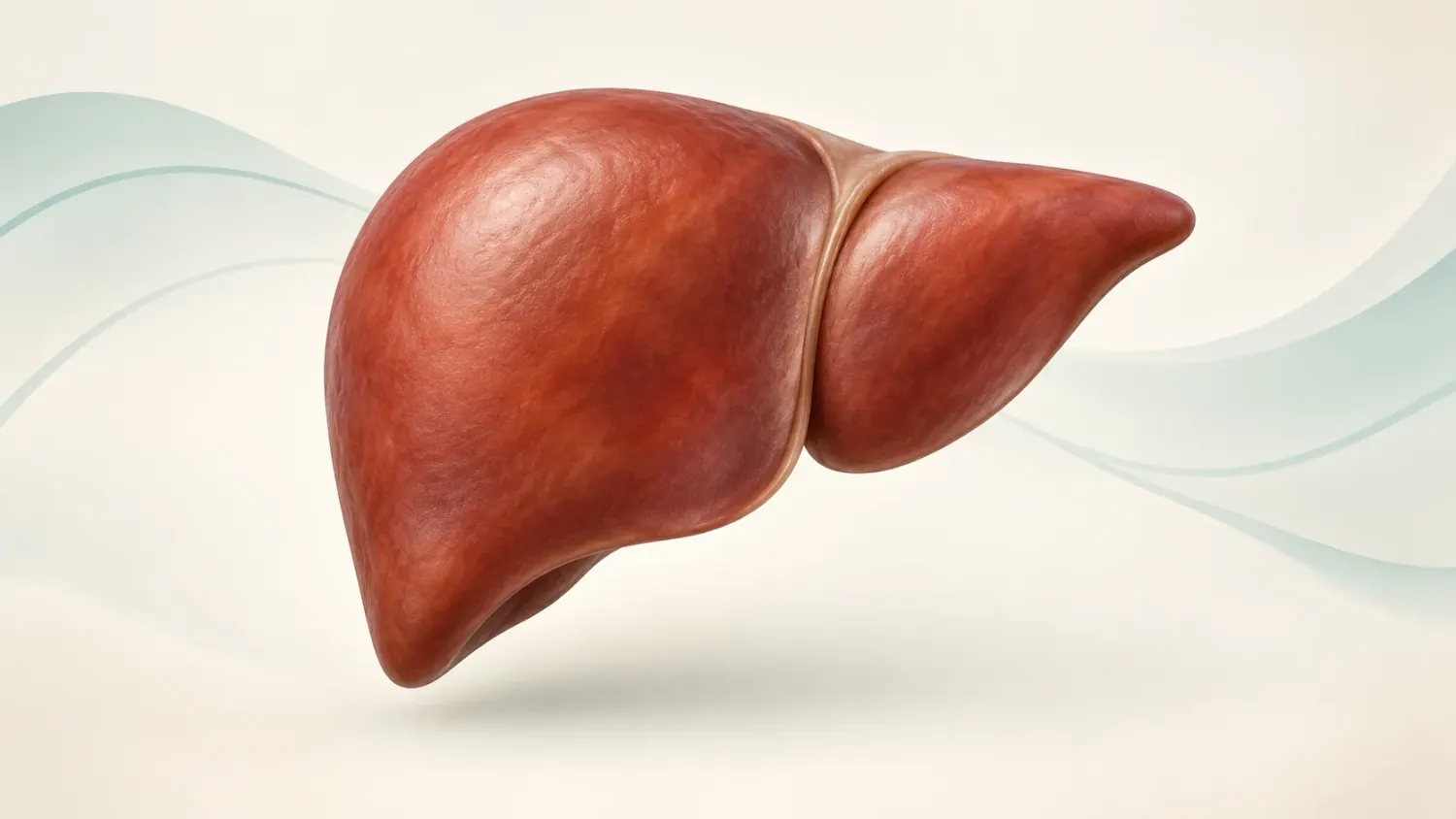
A liver specialist, or hepatologist, assesses and treats diseases of the liver. These include fatty liver (jigar mein charbi), hepatitis B and C, cirrhosis and the causes of jaundice (yarkan). If you are looking for a jigar ka doctor in Karachi, a gastroenterologist with experience in liver disease can assess your symptoms, review your reports and advise on treatment or further testing.
An abnormal report does not always mean advanced liver disease. Its significance depends on the test, your medical history and whether there are signs of liver damage. Some conditions can be managed with regular follow-up through your usual doctor; others need specialist care.
Vomiting blood, black tarry stools, or sudden confusion in someone with liver disease requires immediate hospital assessment. Do not wait for a clinic appointment. These can be signs of serious complications. NHS guidance on cirrhosis explains these warning signs.
When to see a liver specialist
A specialist assessment may be appropriate if you have confirmed hepatitis B or C, liver tests that remain abnormal without an established cause, or a scan showing a liver lesion. People with cirrhosis need continuing care even when they feel well. Fatty liver may also need specialist review when blood tests or a liver stiffness scan suggest significant scarring.
New yellowing of the eyes or skin needs urgent medical assessment. Jaundice can have several causes, including hepatitis and a blocked bile duct, and the cause cannot be established from appearance alone. Seek emergency care if you are also severely unwell, particularly with fever, severe abdominal pain or confusion. See NHS advice on jaundice and our yarkan ka ilaj guide.
Conditions assessed in liver care
Fatty liver is a build-up of fat within liver cells. When it occurs with metabolic risk factors such as type 2 diabetes or obesity, it is called metabolic dysfunction-associated steatotic liver disease (MASLD). Assessment looks at both the underlying risks and whether the liver has developed scarring. The fatty liver treatment guide explains longer-term management.
Hepatitis B and C are viral infections that may cause liver damage without obvious symptoms. Testing establishes which infection is present and helps guide treatment. The term kala yarkan is used for different liver illnesses and cannot identify the virus. Further information is available in the hepatitis B and C treatment guide.
Liver specialists also assess alcohol-related liver disease, autoimmune conditions, inherited disorders and disease affecting the bile ducts. A new liver lump or lesion requires review of the scan and, where necessary, further investigation. Treatment depends on the diagnosis.
Understanding your liver reports
A positive hepatitis C antibody test
The anti-HCV test detects antibodies to hepatitis C. A positive result may indicate a current infection, a previous infection that has cleared, or occasionally a false-positive result. It does not establish on its own whether treatment is needed.
An HCV RNA test, often called an HCV PCR, checks for the virus in the blood. If RNA is detected, there is a current infection that needs medical evaluation. Antibodies can remain after the infection has cleared, including after successful treatment. Bring both reports if you have them. CDC testing guidance explains this distinction.
Raised or normal SGPT
SGPT is another name for ALT, an enzyme measured in liver blood tests. A raised ALT can indicate liver injury, but it does not identify the cause or measure the extent of scarring by itself. A result within the laboratory’s normal range does not exclude significant liver disease either.
For someone with type 2 diabetes or other metabolic risks, assessment may therefore include a check for fibrosis, the medical term for scarring, even when ALT is normal. The AASLD guidance recommends interpreting enzyme levels alongside other findings.
Fatty liver grade 1 or grade 2
These ultrasound grades describe the appearance of fat in the liver. They do not establish the stage of fibrosis. A doctor may use a blood-based score such as FIB-4, followed by elastography when needed, to assess the risk of advanced scarring.
Elastography measures liver stiffness; FibroScan is one type of this test. It provides different information from a routine abdominal ultrasound. NIDDK’s diagnostic guidance explains the roles of blood tests and imaging.
How doctors assess the risk of scarring
FIB-4 uses age, ALT, AST and platelet count. In adults being assessed for fatty liver, a low score can help identify those who can continue monitoring in primary care. A higher or uncertain result may lead to a liver stiffness scan, another fibrosis test or specialist review.
Age affects the interpretation: FIB-4 is less reliable below 35, and a different threshold is used above 65. It should not be used during acute illness. Your doctor also considers diabetes, persistent liver test abnormalities and other clinical findings before deciding what the result means. Follow-up intervals depend on those risks. These limits are set out in the AASLD assessment pathway.
Preparing for your appointment
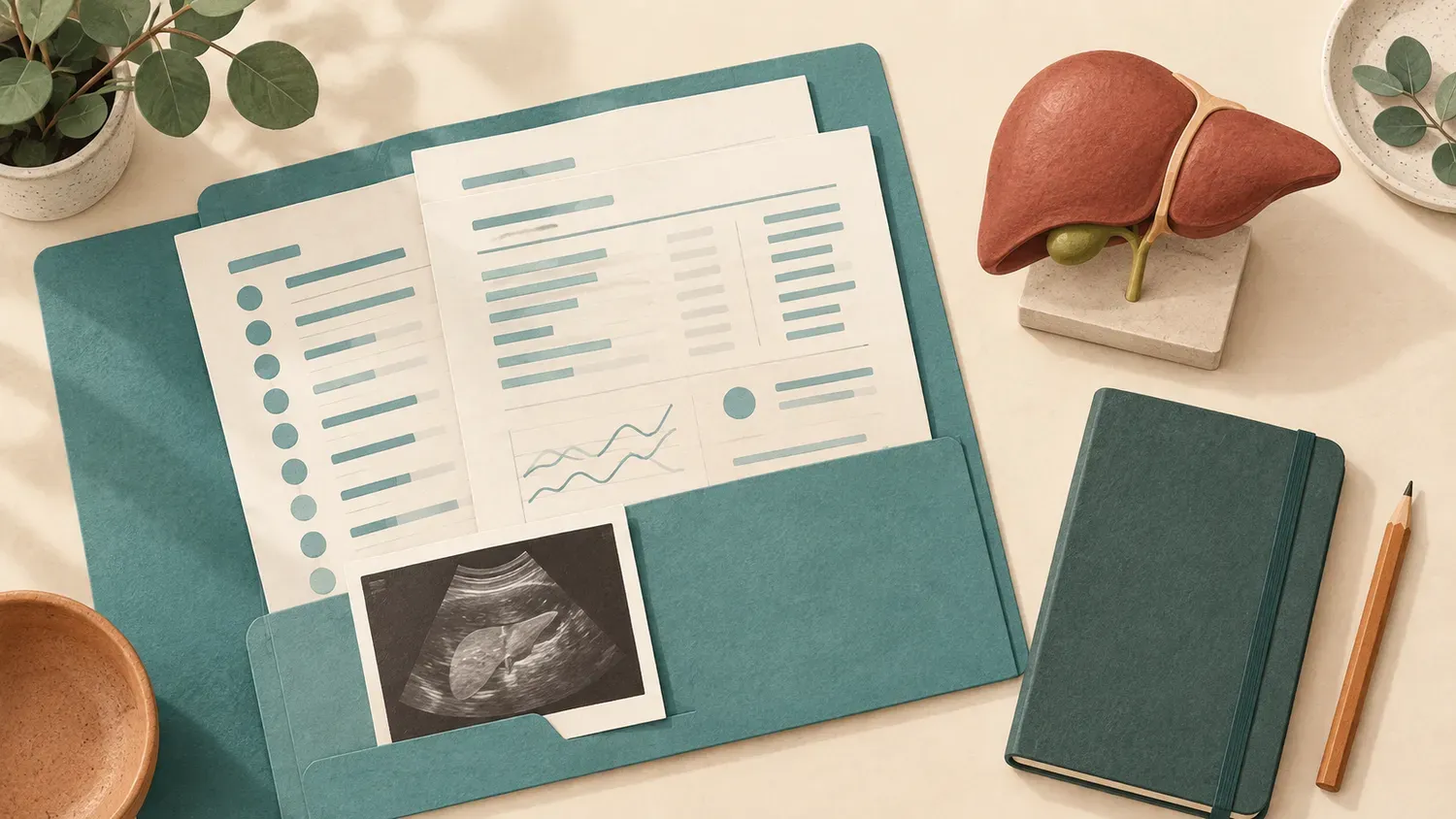
Bring previous reports so your doctor can compare results over time.
Bring the reports you already have, including older results that show how things have changed. Useful records include:
- Liver blood tests and a complete blood count
- Hepatitis screening, PCR and viral-load reports
- Ultrasound, CT or MRI reports and available images
- Diabetes and cholesterol results
- A list of prescribed medicines, supplements and herbal products
Include the packaging or a photograph of any unlabelled or mixed herbal preparation. Note when you started each product and whether symptoms appeared afterwards.
The consultation usually includes a medical history, physical examination and review of your results. Further tests are selected according to the suspected cause and the information already available. You do not need to arrange every liver test before attending.
Treatment and follow-up
Fatty liver
Regular physical activity, a balanced diet and gradual weight loss where appropriate are central to care. Diabetes, blood pressure and cholesterol also need attention. Exercise can benefit the liver even without weight loss; crash diets and rapid weight loss may be harmful. Treatment should account for your nutritional needs and the severity of liver disease. See NIDDK’s lifestyle guidance.
Hepatitis B and C
Hepatitis C can be cured with oral antiviral treatment. The doctor reviews liver damage, other infections and possible medicine interactions before choosing a course. Follow-up testing confirms the treatment response. CDC guidance describes the assessment and treatment approach.
Chronic hepatitis B requires ongoing monitoring. Some people need long-term antiviral treatment to suppress the virus and reduce the risk of liver damage; others are monitored without starting medicine immediately. Household and sexual contacts should discuss testing and vaccination with a healthcare professional. Vaccination protects against hepatitis B. WHO’s hepatitis B guidance covers treatment and prevention.
Cirrhosis
Cirrhosis is advanced liver scarring. A person with compensated cirrhosis may feel well because the liver still performs its essential functions. Fluid in the abdomen (pait mein pani), bleeding or confusion can indicate complications and need prompt assessment.
Care aims to treat the underlying cause and prevent or manage complications. It may include assessment for enlarged veins in the food pipe and liver cancer surveillance, usually every six months. Continued monitoring is needed even after the underlying infection has been treated. Advanced disease may require assessment at a dedicated transplant centre. Treatment can slow further damage, but complete reversal of established cirrhosis should not be assumed. NIDDK’s cirrhosis guidance explains these aspects of care.
Herbal products and liver safety
Some herbal remedies and dietary supplements can injure the liver. Products sold for weight loss or liver cleansing may contain several ingredients, and the label may not accurately describe their contents. A product described as natural should still be included in your medication history. LiverTox documents these risks.
If liver tests become abnormal while you are taking a supplement, contact your doctor promptly and bring the product details. Avoid starting a liver tonic or detox preparation while the cause is being investigated. Discuss prescribed medicines with your doctor before changing or stopping them.
Liver consultation with Dr. Ali Taj in Karachi
Dr. Muhammad Ali Taj is a Consultant Gastroenterologist and Hepatologist with 28+ years of practice. His clinical focus includes fatty liver, hepatitis B and C, and liver disease management. His qualifications include F.C.P.S. (Gastroenterology), MRCP Gastroenterology (UK) and ESEGH (Europe). Details of his professional background are on the about page.
He practises at Ziauddin Hospital, Clifton; Hill Park General Hospital; Lyfe Healthcare; Life Care Consultant Clinics; and Usman Memorial Hospital.
Frequently asked questions
Do I need a hepatologist or a gastroenterologist?
A gastroenterologist with experience in liver disease can assess fatty liver, hepatitis and abnormal liver tests. A hepatologist specialises in liver disease. The choice depends on your diagnosis and its severity; advanced disease may need care from a specialist liver team.
Does a positive anti-HCV test mean I have hepatitis C?
A positive antibody test alone does not confirm a current infection. It may reflect a past infection, a current infection or occasionally a false-positive result. An HCV RNA (PCR) test checks whether the virus is present in your blood.
Can I have liver disease if my SGPT is normal?
Yes. A normal SGPT, also called ALT, does not exclude fatty liver or significant scarring. Your doctor considers your other results and risk factors, including type 2 diabetes, before deciding whether a fibrosis assessment is needed.
Does grade 1 or grade 2 fatty liver require specialist treatment?
The ultrasound grade alone cannot determine whether you need specialist care. Your doctor also assesses the risk of scarring, usually using blood tests and sometimes a liver stiffness scan. People at low risk may continue care with their usual doctor and attend planned follow-up.
Is kala yarkan hepatitis B or hepatitis C?
Kala yarkan is a commonly used term rather than a specific diagnosis. Blood tests distinguish hepatitis B from hepatitis C. Either infection can be present without yellow eyes or skin.
Can hepatitis C be cured?
Yes. Oral antiviral treatment can cure hepatitis C. The treatment plan depends on your health, other medicines and the extent of liver damage. Follow-up blood testing confirms the response, and people with cirrhosis still need liver monitoring after cure.
This article provides general health information and does not replace an individual medical assessment. Tests and treatment should be based on your history, examination and reports.
To arrange a liver consultation with Dr. Ali Taj, see the current clinic locations and appointment timings. Bring your available reports and medication list.