
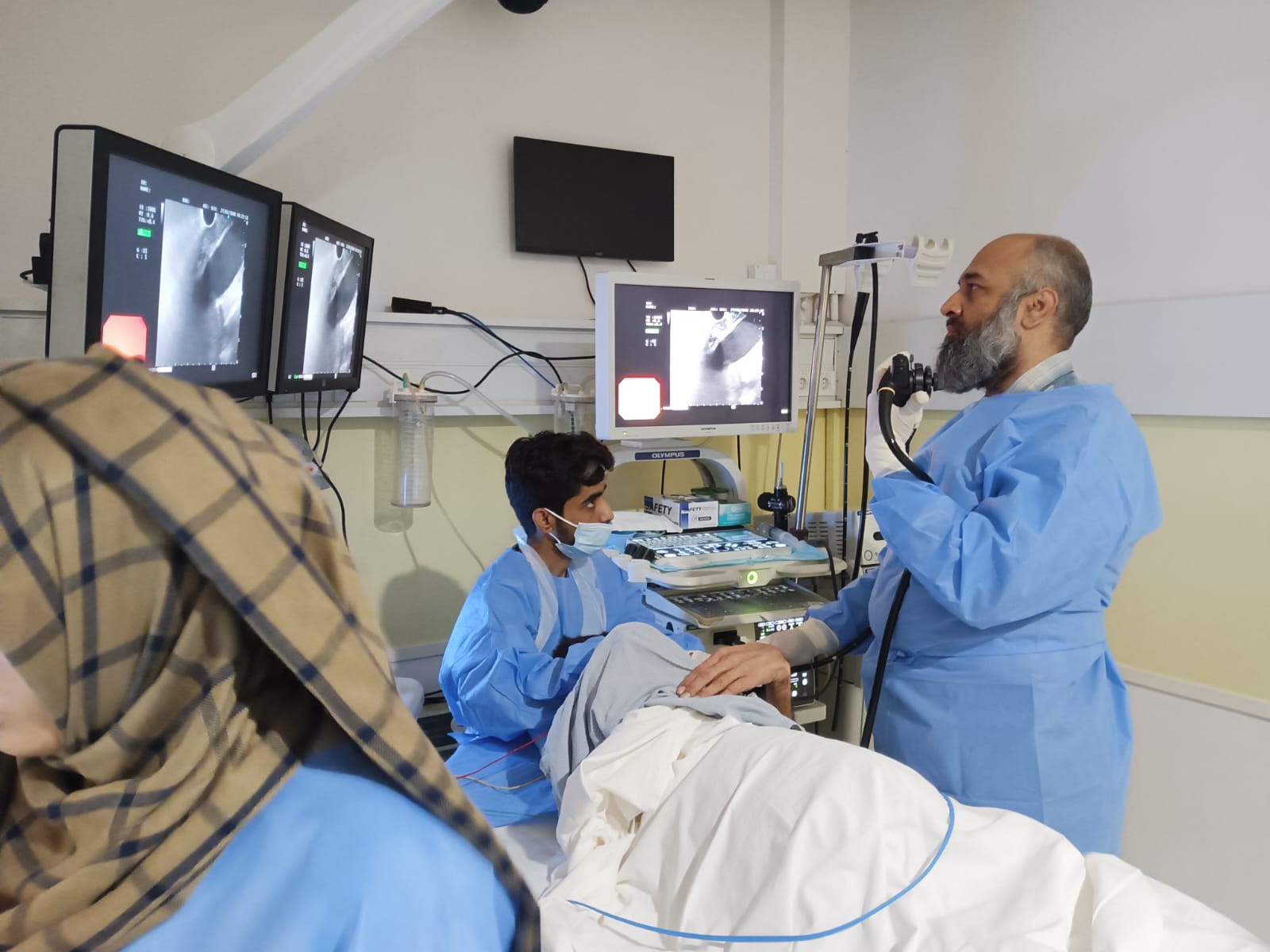
Understanding the ERCP Procedure
What is an ERCP ?
ERCP stands for endoscopic retrograde cholangiopancreatography. It is a type of imaging test that allows doctors to look inside your bile and pancreatic ducts.
The name includes different types of technology involved in the process.
-
Endoscopic refers to endoscopy, which means passing a tiny camera on a tube down your throat and into your small intestine (while you are under anesthetics). Consequently, a smaller tube is passed through the endoscope to reach your bile ducts.
-
Retrograde: This denotes the backward or upward direction in which a specialized opaque contrast dye is injected through the catheter into your biliary tree and pancreatic duct, traveling opposite to the natural downward flow of digestive fluids.
-
Cholangiopancreatography: This defines the X-ray photographs captured for precise clinical evaluation. In medical terms, “cholangio” translates to anything related to the bile ducts, and “pancreato” relates directly to the pancreas.
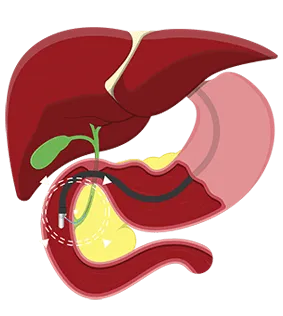
Figure 1: Anatomical view of the ERCP procedure from showing the scope positioned within the duodenum to access the biliary and pancreatic ducts. © Dr. Ali Taj
Pre-Procedural Consultation
Dr. Ali meets with each patient to discuss the ERCP procedure, ensuring they are fully informed about the purpose, potential risks, and benefits. This consultation includes a thorough review of the patient’s medical history and preparation instructions.
Patient Preparation Guidelines
Patients receive detailed instructions on how to prepare for the ERCP, typically involving fasting and specific guidelines regarding ongoing medications, some of which are:
-
Strict Fasting Protocols: Do not smoke, eat, chew gum, or drink anything except small sips of plain water for at least 8 hours before the examination to ensure an empty stomach.
-
Medication Disclosures: Discuss all existing medical conditions and active prescriptions with your doctor in advance. You may be instructed to temporarily discontinue or modify certain medications, particularly blood thinners.
-
Allergy Verification: Disclose any prior adverse reactions or severe allergies to anesthesia, sedatives, or iodine-based contrast dyes before entering the procedure room.
-
Post-Procedure Logistics: Coordinate a reliable ride home after the test because the anesthesia can take up to 24 hours to completely wear off.
Anesthesia
To ensure the utmost comfort, anesthesia is administered and carefully monitored throughout the procedure, maintaining patient safety as a top priority.
The Procedure
Dr. Ali guides an endoscope through the digestive tract to the target area. A dye is injected into the pancreatic and bile ducts for clear imaging, and X-rays are taken to identify any issues.
Contrast dye helps the insides of your tiny bile ducts and pancreatic ducts show up better in X-rays. This allows doctors to see possible blockages in your ducts like gallstones, tumors or scar tissue causing narrowing of your ducts.
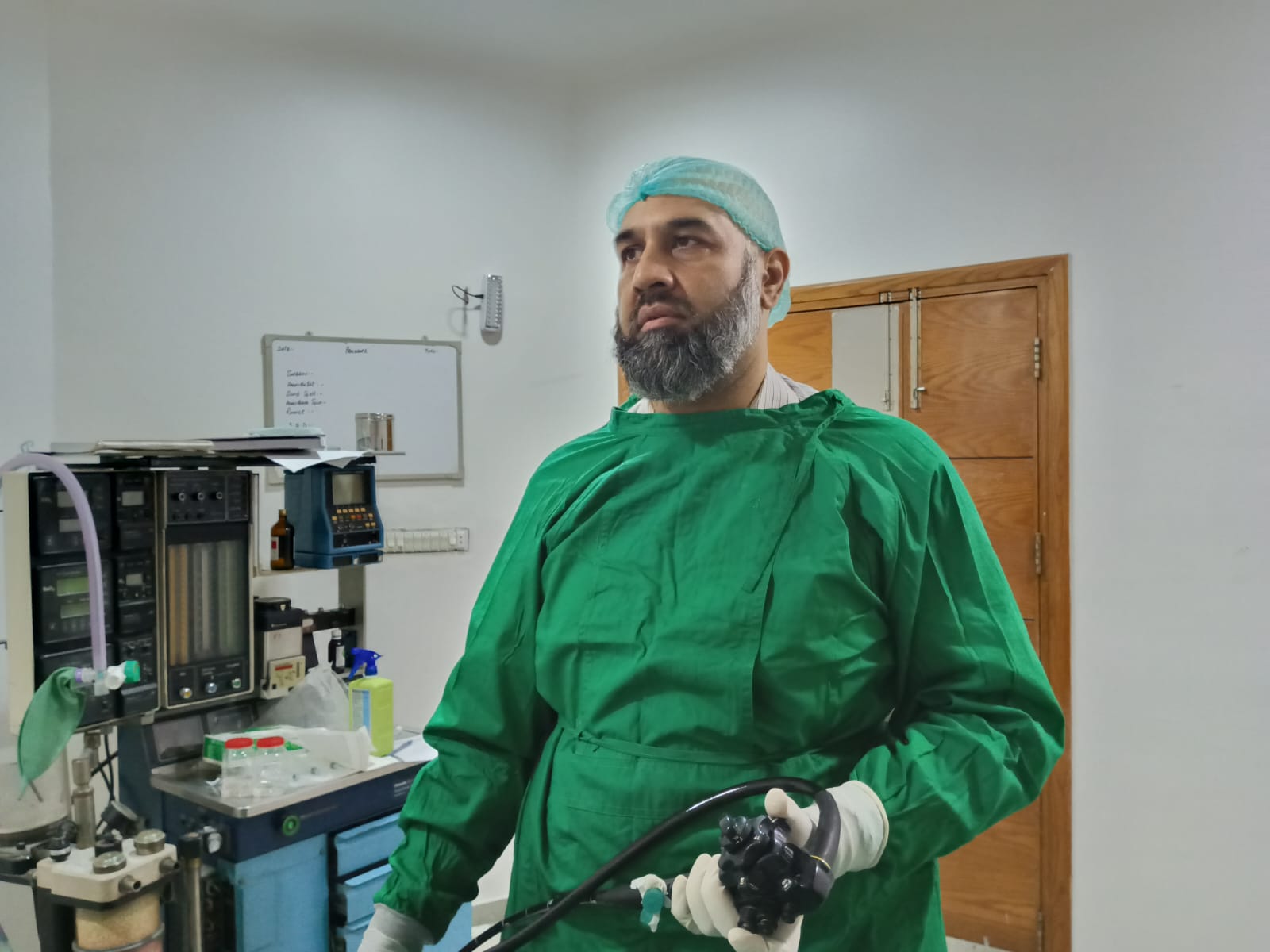
Figure 2: Dr. Ali preparing for a specialized endoscopic intervention. © Dr. Ali Taj
Intervention
If needed, Dr. Ali performs interventions with the endoscope if any of the following is encountered.
- Break up and remove gallstones.
- Remove tumors or tissue samples for biopsy.
- Dilate or stretch narrowed ducts to widen them.
- Place a stent inside a duct to keep it propped open.
- Repair a leak or injury in your ducts.
- Make a small cut into the muscle surrounding the opening to the ducts and open it up. This is called a sphincterotomy
Post-Procedural Care
Post-procedure, patients are monitored as they recover from anesthesia. Dr. Ali provides comprehensive instructions for post-procedure care, including dietary guidelines and signs to watch for any complications.
Follow-Up
A follow-up appointment is scheduled to discuss the results and any further steps, ensuring continuous care and support.
Disclaimer: This content is for informational purposes only and should not be considered medical advice. Always consult Dr Ali Taj or a healthcare professional for personal medical advice