
Stomach Infection
H. Pylori Diet: Foods That Kill It, Foods to Avoid + 7-Day Meal Plan
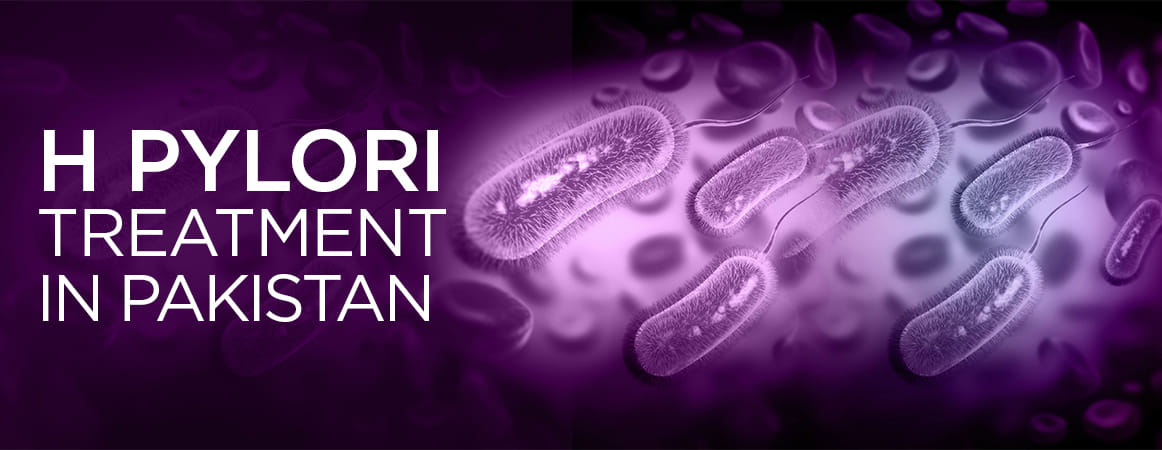
Diet alone cannot cure an H. pylori infection — you need antibiotics prescribed by a specialist. But what you eat during treatment makes a real difference: certain foods inhibit the bacteria’s growth, speed up healing of the stomach lining, and reduce the side effects of the antibiotics. The wrong foods, meanwhile, protect H. pylori, worsen inflammation, and make treatment less effective.
This guide gives you the complete picture: what to eat, what to avoid, and a 7-day meal plan adapted to Pakistani kitchens.
If you need a full treatment plan for H. pylori — including when to test, which antibiotic combination to use, and what to do if treatment has failed before — read our detailed guide: H. Pylori Ka Ilaj: Complete Treatment & Diagnosis Guide.
What Is H. Pylori (Brief Overview)
H. pylori (Helicobacter pylori) is a spiral-shaped bacterium that burrows into your stomach lining, causing chronic inflammation. It is the leading cause of peptic ulcers and gastric cancer worldwide, and is extremely common in Pakistan — affecting an estimated 58–70% of the population.
Standard treatment is a combination of two or three antibiotics plus a proton pump inhibitor (PPI) taken for 10–14 days. Diet supports this treatment but does not replace it.
Foods That Inhibit H. Pylori
The following foods have evidence from clinical studies showing they suppress H. pylori growth, reduce gastric inflammation, or help repair the stomach lining.
Broccoli Sprouts (Broccoli Ke Ankuray)
Broccoli sprouts are the single most studied anti-H. pylori food. They are rich in sulforaphane, a compound shown in controlled trials to inhibit H. pylori growth and reduce gastric inflammation. Even patients on antibiotic therapy showed faster H. pylori eradication when they added sulforaphane.
Regular broccoli works too, but the sprouts contain 10–100 times more sulforaphane. Add them to salads or eat them raw.
Green Tea (Sabz Chai)
Green tea contains catechins — particularly epigallocatechin gallate (EGCG) — which have been shown in laboratory and human studies to inhibit H. pylori adhesion to stomach cells and reduce the bacteria’s virulence. Drinking 2–3 cups per day during treatment is beneficial.
Pakistani adaptation: This is the hardest swap for most patients. Replace your morning chai (milk tea) with green tea during the treatment period. After treatment is confirmed eradicated, you can return to chai in moderation.
Manuka Honey (Shahed)
Manuka honey has potent antibacterial properties due to its high methylglyoxal content. Studies show it inhibits H. pylori in laboratory settings. Take 1 teaspoon on an empty stomach in the morning — do not stir into hot water (heat destroys the active compounds). Regular honey has some benefit too, but less than manuka.
Garlic (Lehsun)
Raw garlic contains allicin, which has demonstrated H. pylori inhibitory effects in multiple studies. Two raw cloves daily, chopped or crushed (and left for 10 minutes before eating to activate allicin) provides meaningful benefit. Cooked garlic has reduced potency.
Probiotic-Rich Foods (Yogurt / Dahi)
Probiotics — particularly Lactobacillus strains — reduce H. pylori’s ability to colonize the stomach wall and significantly reduce antibiotic-related side effects (diarrhea, bloating). Plain yogurt (dahi) eaten with meals is an easy, culturally familiar way to get probiotics. Kefir is even more potent if you can find it.
Timing: Eat yogurt or take probiotic supplements at least 2 hours apart from antibiotics to avoid the antibiotics killing the beneficial bacteria.
Cruciferous Vegetables (Gobhi, Patta Gobhi, Shalgam)
Cabbage juice was one of the earliest anti-ulcer remedies studied. Cauliflower, cabbage, and turnip all contain sulforaphane precursors and fiber that support gut healing. Lightly steamed or raw is preferable to heavily spiced cooking.
Turmeric (Haldi)
Curcumin, the active compound in turmeric, has shown anti-H. pylori activity in laboratory studies. The quantities needed are higher than what normal cooking provides — but turmeric in food still contributes to reducing gastric inflammation.
Foods to Strictly Avoid
These foods either promote H. pylori growth, damage an already-inflamed stomach lining, or interfere with antibiotic absorption.
Spicy Foods (Tikha Khana)
Chilli, hot spices, and heavy masalas irritate an already-inflamed stomach lining. They do not kill H. pylori but cause significant pain and slow healing. Avoid or heavily reduce during treatment. After eradication is confirmed, moderate spice is usually tolerated again.
Milk Tea / Chai (During Treatment)
Standard Pakistani chai — strong black tea with full-fat milk and sugar — contains tannins that reduce antibiotic absorption and caffeine that stimulates acid production. Switch to green tea or chamomile tea for the 2-week treatment period.
Coffee
Similar to tea, coffee stimulates acid secretion and can worsen gastric inflammation. Reduce to 0–1 cup per day during treatment, and drink it after meals rather than on an empty stomach.
Carbonated Drinks (Soft Drinks, Fizzy Water)
Carbonation increases bloating and acid reflux, worsening discomfort during H. pylori treatment. Avoid entirely during the 2-week antibiotic course.
Processed and Fried Foods
Chips, biscuits, fried chicken, paratha fried in excess oil — these slow gastric emptying and worsen nausea (a common antibiotic side effect). They also feed inflammatory pathways. Keep these minimal.
Alcohol
Alcohol directly damages the stomach mucosa, reduces immunity, and interferes significantly with metronidazole (a common antibiotic in H. pylori regimens). Avoid completely during treatment.
Citrus on an Empty Stomach
Lemons, oranges, and tamarind (imli) are acidic and worsen pain in patients with active gastritis or ulcers. Eat them with food rather than alone, or avoid for the treatment period.
7-Day H. Pylori Diet Meal Plan
This plan is designed for Pakistani kitchens. Adjust portions based on your usual appetite — many patients have reduced appetite during treatment, and that is normal.
| Day | Breakfast | Lunch | Dinner | Snack |
|---|---|---|---|---|
| Day 1 | Oatmeal with honey + green tea | Daal mash (lightly spiced) + plain rice + dahi | Grilled chicken + boiled sabzi + chapati | Banana + handful almonds |
| Day 2 | Boiled egg + 1 slice brown bread + green tea | Chicken yakhni shorba + rice | Fish (grilled/baked) + patta gobhi salad + chapati | Plain yogurt + manuka honey |
| Day 3 | Plain oatmeal + manuka honey + green tea | Moong daal + brown rice + dahi | Chicken karahi (light spice, no extra chilli) + chapati | Apple slices |
| Day 4 | Scrambled eggs (no butter, olive oil) + green tea | Vegetable soup + chapati | Daal chana (lightly spiced) + boiled gobhi + rice | Yogurt + crushed garlic (if tolerated) |
| Day 5 | Paratha (baked, not fried) + 1 boiled egg + green tea | Chicken pulao (mild) + kachumber salad | Grilled fish + steamed patta gobhi + chapati | Almonds + green tea |
| Day 6 | Oatmeal + sliced banana + green tea | Yakhni soup + rice + dahi | Chicken (grilled/baked) + palak (without extra cream) + chapati | Manuka honey on plain crackers |
| Day 7 | Boiled egg + brown bread + green tea | Daal mash + plain rice + dahi | Baked chicken + steamed turnip + chapati | Yogurt + banana |
General principles for all 7 days:
- Eat 4–5 smaller meals rather than 3 large ones — smaller meals reduce acid load
- Drink at least 8 glasses of water daily — avoid drinking large amounts during meals
- Take antibiotics with or immediately after food to reduce nausea
- Take your probiotic (or eat yogurt) at least 2 hours after each antibiotic dose
Pakistani Kitchen Adaptations
Eating for H. pylori in a Pakistani household means negotiating around chai, spice, and shared mealtimes. Here are practical swaps:
| Pakistani Habit | Problem During H. Pylori Treatment | Alternative |
|---|---|---|
| Morning chai with full-fat milk | Tannins, caffeine, excess fat | Green tea with honey |
| Heavy salan with chilli | Irritates stomach lining | Same salan with 1/4 the chilli, no extra mirch |
| Frying paratha in butter/ghee | Slows gastric emptying, worsens nausea | Tawa-baked paratha with minimal oil |
| Biryani with whole spices | Too heavy and acidic for inflamed stomach | Plain rice or mild pulao |
| Chai dipping biscuits | Processed sugars, tea tannins | Plain crackers or whole grain bread |
How Long Should You Follow This Diet?
Follow this diet for the entire duration of antibiotic treatment (typically 10–14 days) and for 2 weeks after completing treatment. Once your follow-up test confirms eradication, you can gradually return to your normal diet.
Note that H. pylori eradication does not mean the stomach lining has fully healed. Ulcers can take 6–8 weeks to heal even after the bacteria is gone. If you have a confirmed peptic ulcer, your doctor may recommend extending the PPI (acid-blocking medication) for an additional 4–8 weeks after antibiotics.
Frequently Asked Questions
Can I eat rice with H. pylori? Yes. Plain rice is one of the easiest foods to digest during H. pylori treatment. It is not spicy, is easy on the stomach, and pairs well with lightly spiced daal or yakhni. Brown rice is preferable for added fiber, but white rice is perfectly fine.
Is yogurt (dahi) good for H. pylori? Yes, and it is one of the most important foods during treatment. Plain yogurt provides live probiotic cultures (Lactobacillus) that reduce antibiotic side effects and may help suppress H. pylori. Eat 1–2 servings daily. Avoid flavoured or sweetened yogurts — the added sugar feeds bacterial growth.
Can I eat eggs? Yes. Eggs are a good source of protein and are easy on the stomach. Boiled or scrambled eggs (without excess butter) are a good breakfast choice. Avoid fried eggs or omelettes cooked in large amounts of oil.
Will following this diet alone cure my H. pylori? No. Diet supports treatment but cannot eradicate H. pylori on its own. You need antibiotics (usually a combination of clarithromycin, amoxicillin, or metronidazole) plus a PPI, prescribed by a gastroenterologist. If you have been treated before and symptoms returned, resistant H. pylori requires a different antibiotic regimen — see our full treatment guide.
How do I know if H. pylori has been eradicated? A follow-up test is essential — and often skipped. The most reliable tests are the H. pylori stool antigen test or urea breath test, done at least 4 weeks after completing antibiotics and 2 weeks after stopping your PPI. A blood antibody test is not reliable for confirming cure. Ask Dr. Taj’s team to arrange the correct follow-up test.
For a personalized H. pylori treatment plan or to book a consultation with Dr. Muhammad Ali Taj in Karachi, contact us on WhatsApp 0312-3803935.