
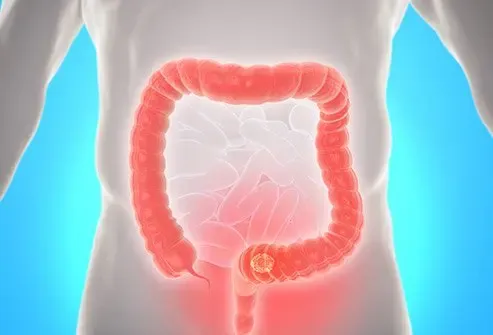
Effective Treatment for Black and Bloody Stool
Understanding the Causes of Black and Bloody Stool
Black stool, medically known as melena, often signifies bleeding in the upper gastrointestinal tract. Common causes include ulcers, gastritis, or esophageal varices. On the other hand, bloody stool, especially when presenting as bright red blood, typically indicates lower gastrointestinal tract issues such as hemorrhoids, anal fissures, or colorectal cancer.
Blood in Stool Causes
Several factors can lead to blood appearing in your stool, ranging from benign to serious. Conditions like diverticulitis, inflammatory bowel disease (IBD), and polyps can also result in bleeding, highlighting the importance of a thorough diagnostic process.
Generally, bright red blood points to bleeding in the lower digestive tract, while dark black, tarry stool points to an issue higher up. Common causes across the entire digestive system include:
-
Lower Digestive Issues: Conditions affecting the colon and bowel, such as diverticulitis (inflamed pouches in the colon wall), inflammatory bowel disease (IBD like Crohn’s or ulcerative colitis), and colon polyps.
-
Upper Digestive Bleeding (Melena): When bleeding occurs high up in your stomach or the upper part of the small intestine, the blood gets digested on its way down. This turns the stool a distinctive sticky, deep black color known medically as melena.
Medical Causes of Upper GI Bleeding and Melena
If you are experiencing true melena, it is typically triggered by bleeding in the esophagus or the stomach. Common culprits include:
-
Peptic Ulcer Disease: Bleeding open sores that form on the inner lining of your stomach or upper small intestine.
-
Severe Inflammation: Raw irritation and swelling in the stomach lining (gastritis) or the food pipe (esophagitis).
-
Lining Erosion: Sudden, severe damage to the stomach tissue (acute hemorrhagic erosive gastropathy).
-
Physical Trauma or Tears: A physical tear or puncture (gastrointestinal perforation) in the lining of your digestive tract, including esophageal tears caused by violent vomiting.
-
Ruptured Veins (Varices): Swollen, fragile veins in the stomach or esophagus that stretch and burst, which is highly common in patients with liver complications.
-
Tumors: Cancerous growths within the stomach, esophagus, or pancreas.
Non-Medical Causes of Black Stool
It is important to note that not all black stool is caused by internal bleeding. Certain everyday foods, vitamins, and over-the-counter medicines can heavily stain your stool a deep black color, including:
- Iron Supplements: Iron pills are notorious for turning stool a dark greenish-black.

Supplements affecting stool color. © Unsplash
- Dark Foods: Consuming large amounts of blueberries, black licorice, or foods that are red in color.
When to seek immediate care: If your black stool is sticky, has a foul odor, or is accompanied by dizziness, faintness, or stomach pain, it is likely true melena and requires immediate evaluation by a healthcare provider.
Approach to Treating Bloody Stool
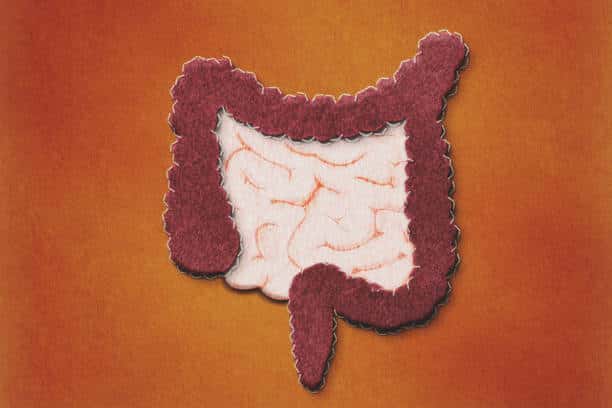
Diagnosis begins with a detailed medical history and physical examination. Depending on the preliminary findings, further diagnostic tests may be recommended such as endoscopy, colonoscopy, or imaging studies to identify the exact cause of the bleeding.
Understanding digestive health and constipation management. © Unsplash
Customized Treatment Plans
Once the cause is determined, Dr. Taj develops a personalized treatment plan for each patient. This may include:
1. Immediate Care & Stopping the Bleed (For Acute Melena)
If you have lost a significant amount of blood from an upper digestive tract bleed, the primary focus is to stabilize your body and shut down the leak immediately:
- Restoring Blood Volume: Using IV fluids or a blood transfusion to quickly replace lost blood and stabilize your blood pressure.
- Endoscopic Repairs: During a routine upper endoscopy. This includes using heat to seal open sores (electrocautery), injecting targeted medications to stop blood flow, or applying tiny medical clips, bands, or stitches directly onto the leaking blood vessel.
2. Targeted Medical & Surgical Treatments
Once the active bleeding is under control or if the bleeding is minor, long-term treatments are used to heal the root cause:
- Targeted Medications: Prescribing specialized recovery drugs to heal painful stomach ulcers or soothe severe stomach inflammation (gastritis).
- Minimally Invasive Procedures: Performing quick, gentle procedures to treat bleeding hemorrhoids or safely remove colon polyps during a colonoscopy before they can cause further trouble.
- Advanced Therapies: Coordinating long term, specialized care plans for complex conditions like inflammatory bowel disease (IBD) or colorectal cancer.
- Lifestyle and Dietary Modifications: Providing practical guidelines on everyday eating habits and lifestyle changes to keep your digestive tract happy and prevent future bleeding episodes.
Focus on Early Detection and Prevention
Dr. Taj stresses the importance of early detection in managing conditions leading to black or bloody stool. Regular screenings, such as colonoscopies, are crucial for early identification and treatment of potential issues, particularly for individuals over 50 or those with a family history of gastrointestinal diseases.
When to See Dr. Ali Taj
If you’re experiencing symptoms like painless bright red blood in stool or black, tarry stools, it’s essential to seek medical attention promptly. Early intervention can significantly impact the outcome and prevent complications. If diarrhea accompanies the changes in your stool, our diarrhea treatment guide explains common causes and when loose stools need urgent care.
Contact Us for a Consultation
Learn More About Our Gastrointestinal Services
Disclaimer: This blog post is for informational purposes only and should not be taken as medical advice. Consult with your healthcare provider for personalized medical recommendations.