
Abdominal Pain Treatment
Understanding Abdominal Pain
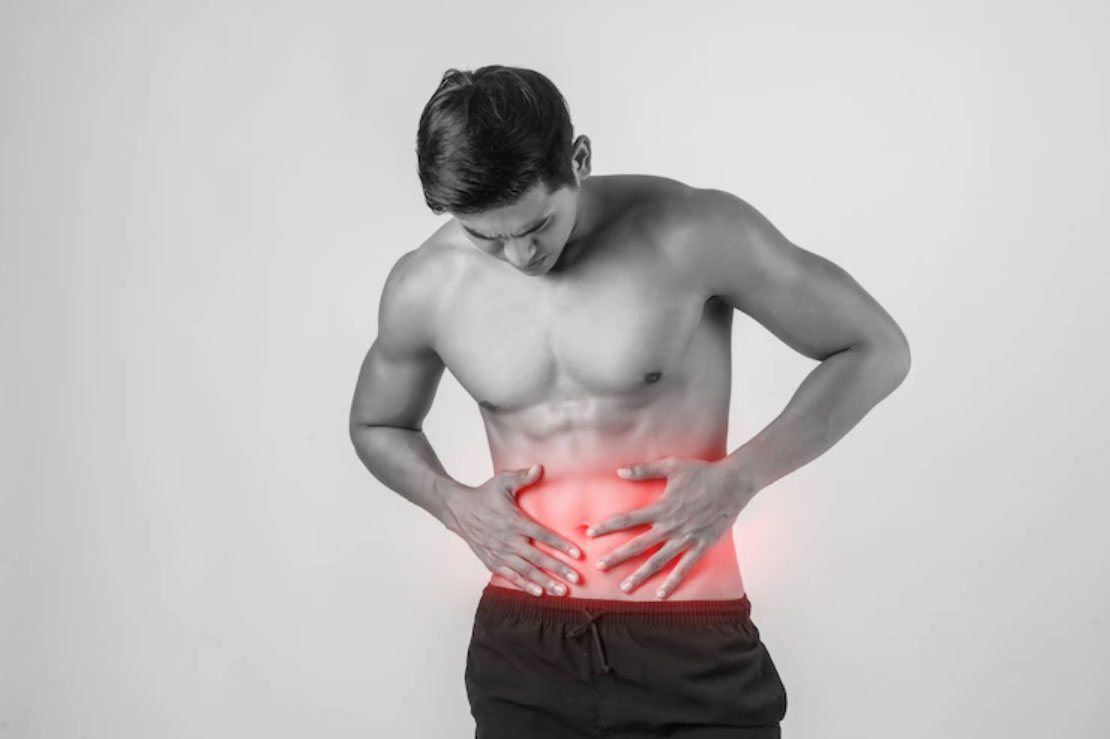
Abdominal pain encompasses a range of symptoms and can be indicative of conditions affecting the stomach, intestines, liver, appendix, or other parts of the gastrointestinal system. Symptoms can vary widely, from severe abdominal cramping and stomach cramps to gas pains and discomfort after eating.
Where Is Your Pain?
The location of your abdominal pain is one of the most important clues to help identify what’s going on. Typically we divide the abdomen into four quadrants to help narrow down which organ may be involved.
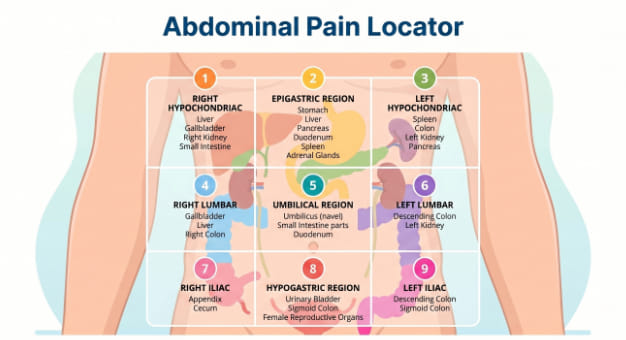
Abdominal Pain Quadrants Locator Map. Image Source: Dr Ali Taj
Upper Right Quadrant Pain in this area may point to the liver, gallbladder, or bile ducts. Common causes include hepatitis, gallstones, gallbladder inflammation, and kidney stones or infections.
Upper Left Quadrant Discomfort here may involve the pancreas, intestine, or stomach. Conditions such as pancreatitis, an enlarged spleen, gastritis, or stomach ulcers are common culprits in this region.
Lower Right Quadrant This is the area most associated with appendix related pain. Conditions like appendicitis, appendicoliths, or in rare cases appendix cancer, tend to cause pain in this quadrant.
Lower Left Quadrant Pain here is linked to the colon. Diverticulosis and diverticulitis are among the most common causes of lower left abdominal discomfort.
Lower Abdomen (General) Generalized lower abdominal pain can be caused by bladder inflammation, bladder stones, irritable bowel syndrome (IBS), inflammatory bowel disease, Crohn’s disease, or ulcerative colitis. In women, pain referred from the pelvic organs such as endometriosis, ovarian cysts, pelvic inflammatory disease, or uterine fibroids can also present as lower abdominal pain.
It is worth noting that the severity of your pain does not always reflect how serious the underlying condition is. Some common, temporary conditions can cause intense pain, while serious conditions may feel surprisingly mild. Always consult a doctor if your pain is unexplained, persistent, or getting worse.
Personalized Treatment Plans
How is abdominal pain treated ?
Dr. Taj prescribes treatment for stomach pain based on the underlying cause. Whether it is pain in the stomach area due to ulcers or severe stomach pain from gastritis, the right diagnosis can provide significant relief.
For milder cases that appear digestion related, initial self-care steps can help while a diagnosis is being established such as bowel rest, sipping clear fluids, applying heat therapy, or trying natural remedies like ginger for indigestion or peppermint to relax intestinal muscles.

Peppermint or mint green tea can help soothe intestinal muscles. Image Source: Unsplash
Specialized Care for Gastric Pain and Appendicitis
Gastric pain and appendix-related discomfort require immediate attention. Dr. Taj’s approach ensures that symptoms like extreme stomach pain or the feeling that your “appendix hurts” are promptly addressed with the appropriate abdominal pain treatments. It is important to understand that the intensity of pain is not always a reliable indicator of severity because potentially serious conditions like early appendicitis may initially cause only mild discomfort, while less dangerous conditions like gas can cause intense pain. This is why a thorough clinical assessment is always necessary rather than relying on pain level alone.
Dietary and Lifestyle Adjustments
For conditions like stomach pain after eating or bloating, Dr. Taj recommends specific dietary changes to help manage symptoms. Personalized advice on managing stomach issues after eating can lead to long-term stomach pain relief.
-
Eating smaller meals more frequently rather than large meals to reduce digestive strain.
-
Ensuring your diet is high in fiber with plenty of fruits and vegetables to support healthy bowel function.
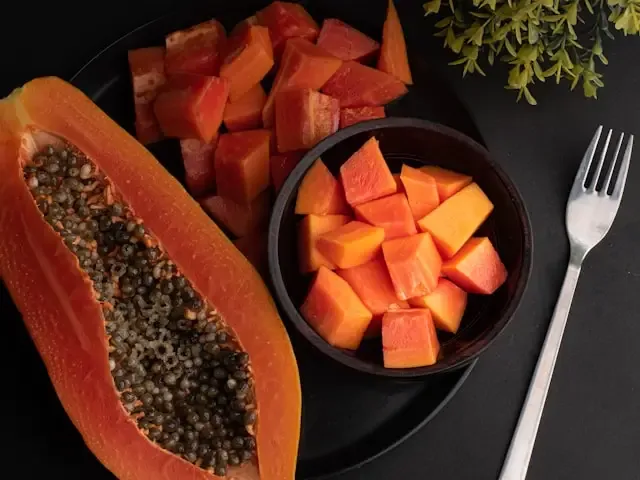
Incorporating fiber rich fruits like papaya supports healthy bowel function. Image Source: Unsplash
-
Drinking enough water throughout the day to aid digestion and prevent constipation.
-
Limiting foods that produce gas to reduce bloating and cramping such as lentils, broccoli, cauliflower etc.
-
For patients with specific conditions such as lactose intolerance or celiac disease, avoiding identified trigger foods is key to preventing recurring pain
-
Pairing dietary changes with regular physical activity to support overall digestive health.

Regular physical activity like a daily walk helps stimulate intestinal motility. Image Source: Unsplash
Abdominal Pain During Pregnancy
Special care is given to pregnant patients experiencing lower abdominal pain or stomach cramps during pregnancy. Dr. Taj’s expertise ensures both mother and baby’s safety while addressing discomfort.
Emergency Situations
In cases of excruciating stomach pain or symptoms of stomach ulcers, immediate attention is required. Consult Dr. Taj for abdominal cramping and other acute conditions.
Disclaimer: This blog post is for informational purposes only and should not be taken as medical advice. Consult with your healthcare provider for personalized medical recommendations.